
Court vacates federal rules that would have narrowed public benefits access
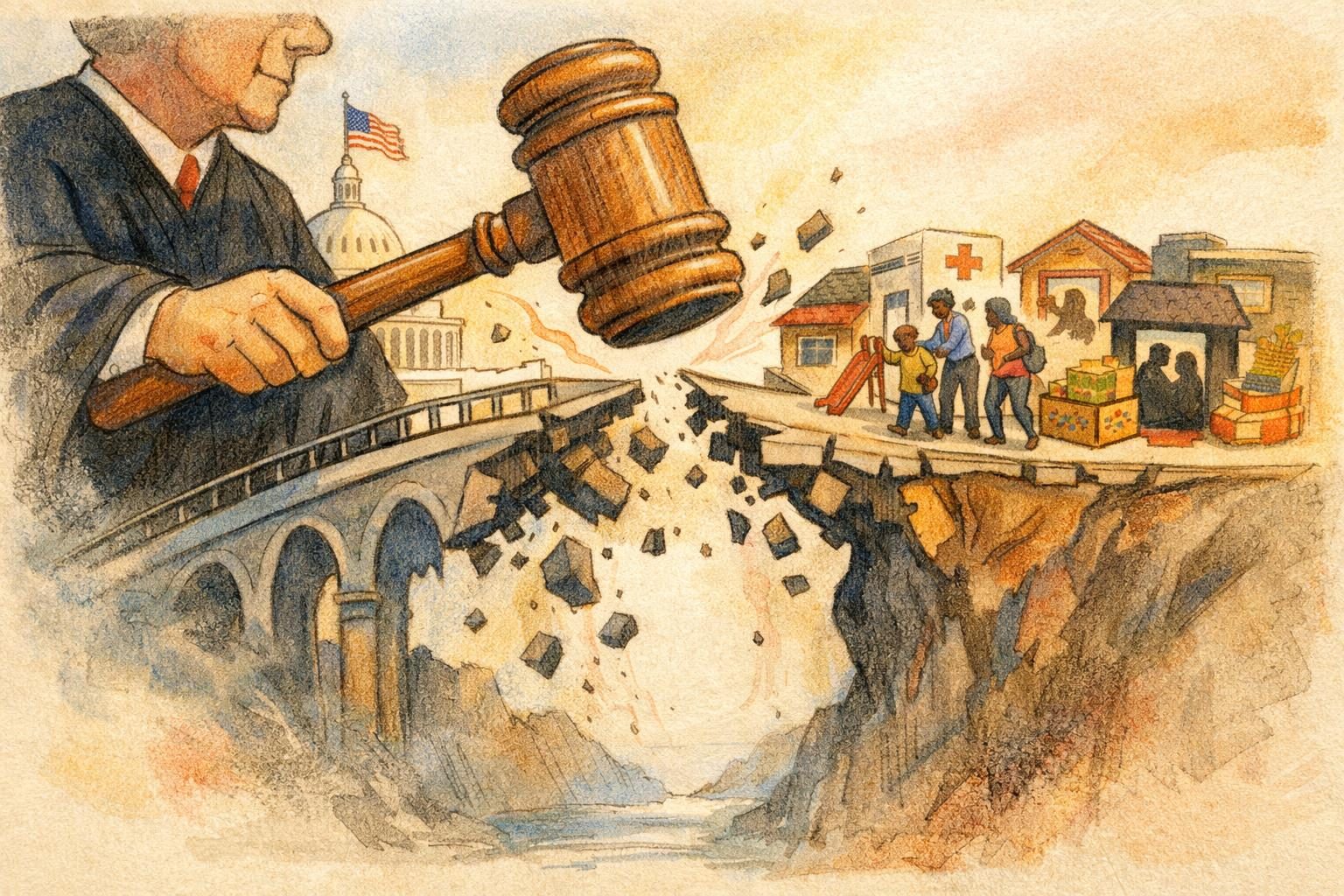
A federal court has wiped out Trump administration rules that would have narrowed access to a broad range of public benefit programs, dealing a meaningful setback to an effort that could have made it harder for vulnerable people to reach basic services. The rules were aimed at reclassifying large swaths of the safety net as restricted "federal public benefits," a move that would have imposed much tougher verification and eligibility barriers on programs many families rely on when they are already at their most exposed. In practical terms, the fight was never just about regulatory definitions or administrative procedure. It was about whether a parent can bring a child to Head Start without fear of being turned away, whether someone can walk into a Title X clinic without running into a new bureaucratic wall, and whether a family in crisis can still reach a food bank, a domestic violence shelter, or adult education services without first being treated like a compliance problem. The ruling announced on September 27 is not a minor trim at the edges. It vacates the rules outright, which means the administration’s effort to redraw the line between immigration enforcement and social support has been halted, at least for now.
That makes the decision a significant policy reversal, not just a courtroom scolding. The administration’s approach rested on a familiar theory: if you can reclassify a service on paper, you can make it harder to use in practice without formally cutting the program itself. That tactic can be especially effective in the social services world, where providers often operate under tight budgets, thin staffing, and heavy pressure to avoid mistakes. If the federal government tells clinics, shelters, and community organizations that they must verify status more aggressively or risk trouble, many will respond by adding layers of screening, slowing intake, or turning away people who might otherwise qualify. The court’s ruling stops that specific expansion before it can become the new operating rule across programs that are often the last line of defense for low-income families. For now, that means the legal and administrative burden the rules would have imposed will not take hold, and providers are left with more certainty than they would have had under the challenged framework. In a year defined by fights over who counts as deserving, that is a real and immediate consequence.
The stakes are especially high because the programs implicated here are not abstract line items. Head Start is a child care and early learning lifeline for families trying to keep up with work, housing, and school. Title X clinics provide family planning and preventive health care that many patients use because they are affordable, accessible, and often more discreet than other options. Food banks and domestic violence shelters exist because hunger and abuse do not wait for federal policy debates to resolve themselves. Adult education programs help people learn English, finish degrees, or gain skills that make employment possible, while community health centers serve as a crucial source of primary care in places where private medicine is out of reach or nonexistent. When a government rewrites eligibility rules across that kind of ecosystem, the result is not merely more paperwork. It is a ripple effect that can keep people away from care, discourage families from asking for help, and burden front-line organizations with the impossible task of acting like immigration screens instead of service providers. New York’s attorney general framed the ruling as a stop to an effort to gut social services, and that description matches the practical reality on the ground: the decision blocks an attempt to make essential programs less usable for the people they were built to serve.
Politically, the ruling also reveals the limits of the administration’s preferred method of governance, which often relies on administrative classification to do work that would be harder to accomplish through open legislation. If the government cannot easily cut a program, it can try to shrink the audience for it. If it cannot eliminate services outright, it can make participation feel risky enough that people self-select out. That strategy can be effective when institutions are confused, fearful, or overwhelmed, but the court’s decision suggests there are still legal boundaries when the government goes too far. State attorneys general have been among the most aggressive challengers of such moves, and the coalition that pushed back here underscores how often the states end up as the last practical check when federal power is used to squeeze the social safety net. The immediate result is that the challenged rules are gone, and providers do not have to implement them while further legal battles play out. The broader result is more uncertain, because administrations can always try again with narrower language, different justifications, or another round of regulatory packaging. Still, this particular attempt to use bureaucracy as a gatekeeper has been stopped, and that matters for every family that depends on these services without wanting to prove their worthiness first.
Comments
Threaded replies, voting, and reports are live. New users still go through screening on their first approved comments.
Log in to comment
No comments yet. Be the first reasonably on-topic person here.