
Supreme Court opens the door to using Social Security data in voter-roll fights
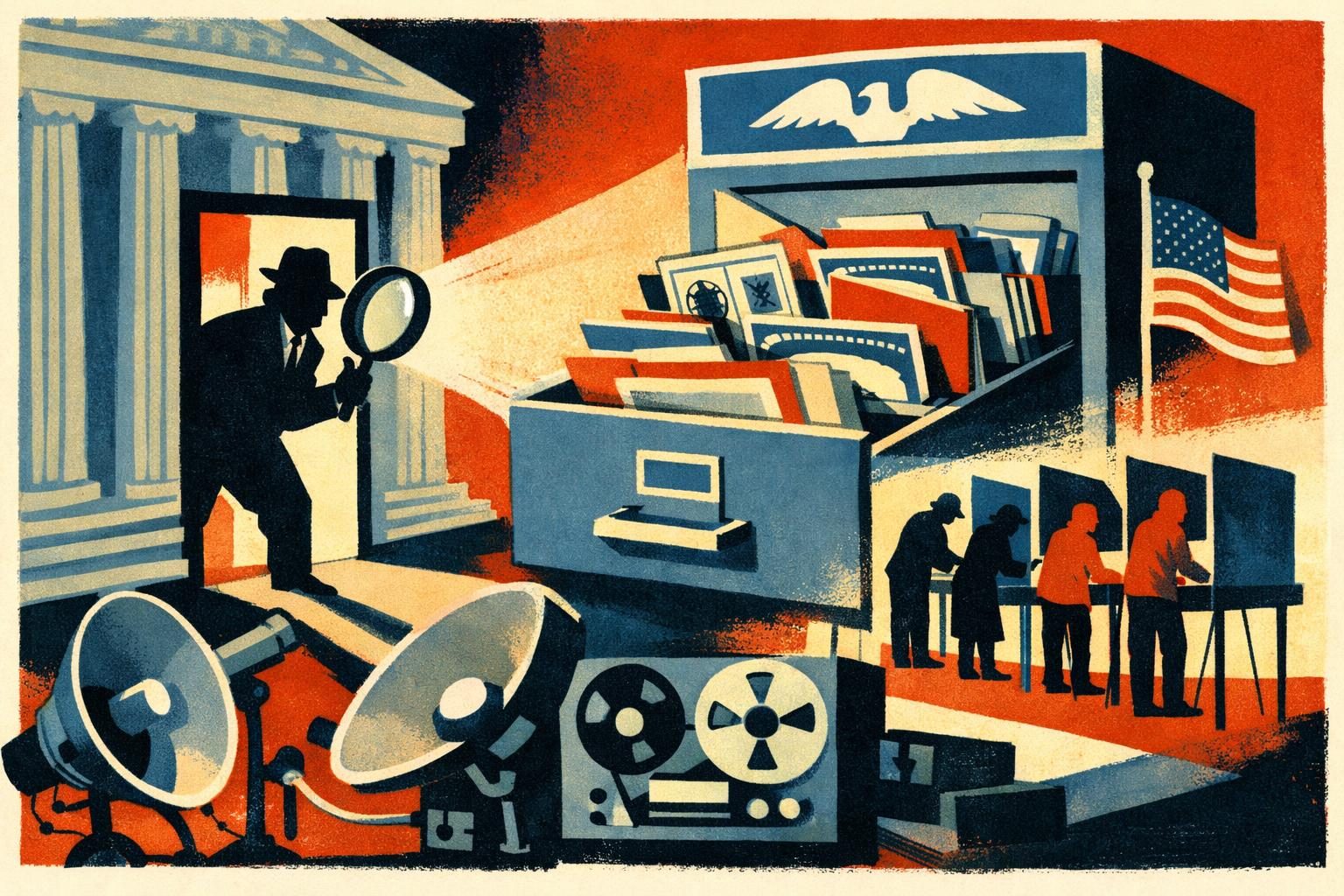
The Supreme Court on Sunday cleared the way, at least temporarily, for the Trump administration to use Social Security data in an effort to help states identify possible noncitizens on voter rolls. The order is another significant lift for a White House that has made election administration a central front in its broader political project, one that repeatedly casts the voting process as suspect before any evidence of widespread abuse has been established. The practical effect is not a final ruling on the legality of the policy, but it does give the administration breathing room to keep advancing a tool lower courts had treated as legally vulnerable. In a fight already defined by aggressive claims about election integrity and equally forceful warnings about voter suppression, the court’s move shifts the immediate balance of power toward the federal government. It also signals that the administration’s push to rewire election oversight is still finding receptive ground in the judiciary, even as the underlying controversy remains unresolved.
At the center of the dispute is a deceptively technical question with major political consequences: whether federal data systems, especially those containing sensitive personal information, can be used to assist states in identifying people who may not be eligible to vote. The administration has argued that the effort is aimed at protecting the integrity of the rolls, but critics say it reflects a pattern of treating ordinary election administration as a law-enforcement problem. Civil-liberties groups and Democratic state officials have warned that the government has not shown a large-scale noncitizen voting problem that would justify the breadth of the approach, and they argue that the matching process itself can be prone to error. That concern is not academic. Even limited mistakes in data comparisons can lead to voter challenges, delayed registrations, and confusion among eligible citizens who are wrongly flagged. The fight, then, is not just about who gets to see the data. It is about whether the state’s effort to police the electorate starts from a presumption of fraud and then invites officials to sort people into risk categories with tools built for another purpose.
The administration’s allies frame the policy as a common-sense safeguard, one that helps states clean their rolls and reduce opportunities for illegal voting. But opponents see a different pattern: a government that is steadily normalizing surveillance-oriented election management, then presenting the resulting anxiety as evidence that stronger intervention is needed. That dynamic has become familiar over the past several years, as the White House has pressed a series of election-related restrictions and oversight measures that critics say are designed less to solve documented problems than to create a climate of suspicion. In that sense, the Social Security-data fight is part of a much larger attempt to shift the burden in election disputes away from officials and onto voters. Once the premise takes hold that the electorate must constantly be screened, cross-checked, and audited for signs of ineligibility, the procedural burden itself can become the message. Supporters of the policy tend to describe that burden as necessary diligence. Detractors describe it as a strategic inconvenience imposed on lawful voters, one that can chill participation without ever requiring the government to prove the need for such sweeping scrutiny.
The immediate effects will be felt in state election offices, where administrators now have to decide how aggressively to react to a federal green light that may not be the last word in the case. Some states may treat the court’s move as permission to cooperate more readily with federal matching efforts. Others may proceed cautiously, concerned about errors, legal exposure, or the possibility that later rulings could narrow or reverse the policy. Either way, the operational burden is real. Roll maintenance is already a complicated and politically sensitive task, and any new data pipeline that flags potential noncitizens adds another layer of friction, uncertainty, and potential for dispute. Election officials may end up spending more time triaging matches than solving actual problems, while voters and advocacy groups are left to sort through the fallout. For Republicans, that confusion can serve a political purpose by reinforcing the narrative that elections need stronger surveillance. For Democrats and voting-rights advocates, the danger is that the policy will produce selective enforcement, sloppy data matching, and accusations that land on legitimate voters first and get sorted out only after damage is done. The legal case is still active, and the court’s order does not settle the merits, but for now the administration has secured another meaningful step in its broader campaign to treat voting less as a right to be protected than a system to be monitored.
Comments
Threaded replies, voting, and reports are live. New users still go through screening on their first approved comments.
Log in to comment
No comments yet. Be the first reasonably on-topic person here.