
Supreme Court stay fight exposes another government loss in the immigration case
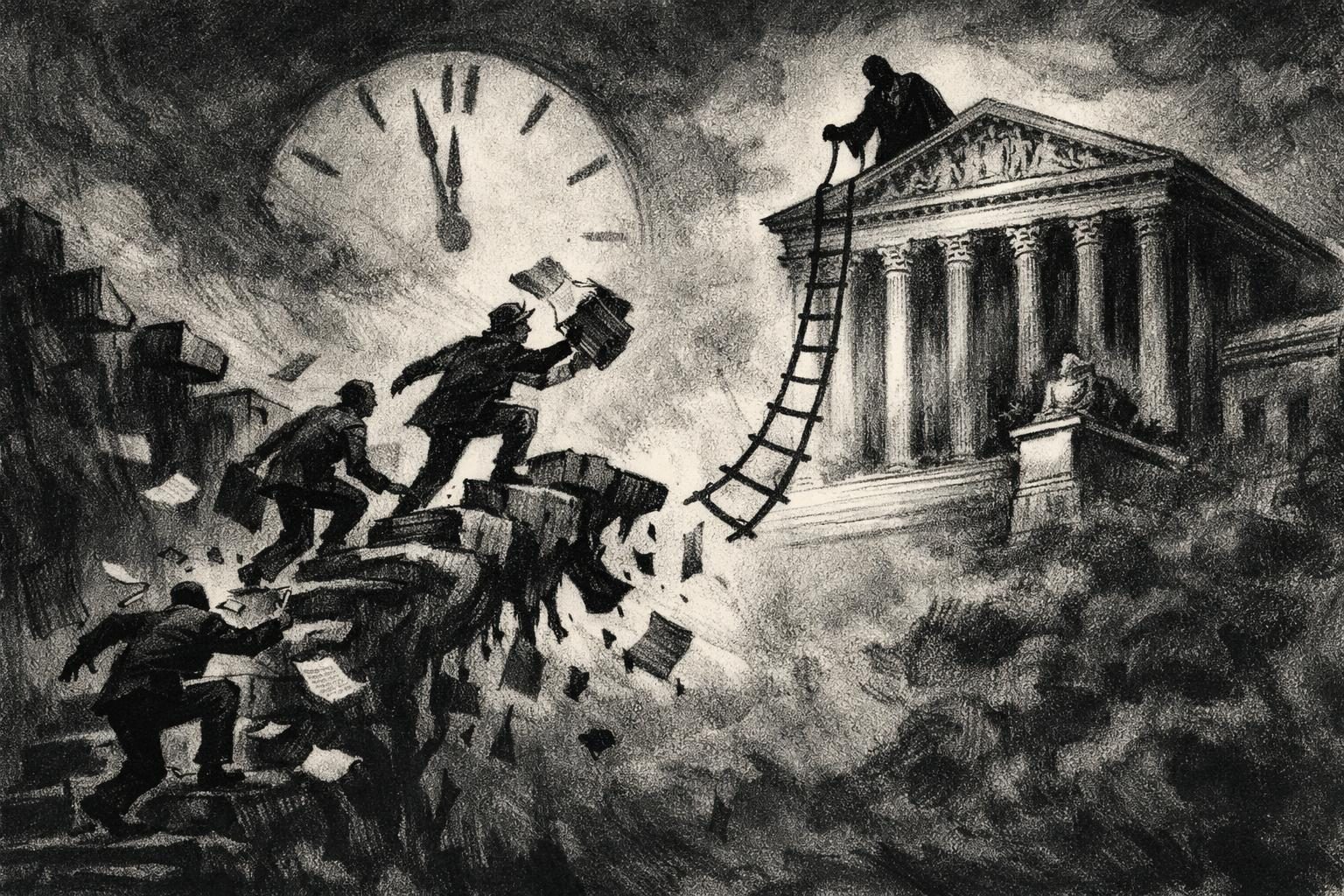
The Trump administration is back at the Supreme Court, asking the justices to step into an immigration fight after the First Circuit dissolved a stay late on Sept. 23 and reopened the possibility that an order the government opposes could be enforced while the appeal continues. In a new filing submitted Sept. 27, the administration argued that the lower court moved too quickly and did so without giving the government a chance to respond before lifting the stay pending appeal. That procedural complaint is doing a lot of work in the application, because the government is not only trying to persuade the Court that it deserves relief on the merits, but also that it was deprived of the ordinary breathing room that usually comes with appellate litigation. The filing suggests the administration sees the timing itself as part of the problem, not just the substance of the underlying immigration dispute. In practical terms, the government is telling the justices that delay could create immediate consequences that are hard to unwind later, even though the precise legal issue remains unresolved.
The new emergency request is another sign that immigration enforcement remains one of the administration’s most litigation-heavy policy areas. The broader pattern is familiar by now: the White House announces or defends a hardline immigration approach, a lower court blocks or narrows it, and the government turns to higher courts in search of temporary relief. That cycle does not tell us who will ultimately win the legal fight, but it does show how often the administration is having to fight for time before it can fully implement its preferred policy. When a stay disappears, the consequences can be immediate, especially if the order at issue affects how the government detains, removes, or processes people while the courts sort out the law. The administration’s decision to go straight to the Supreme Court underscores that it views this as a live operational problem, not just a theoretical disagreement over procedure. If the government were less concerned about the practical fallout, it would not be asking the justices to intervene on an emergency basis.
The filing also highlights a recurring vulnerability for the administration: it keeps presenting itself as the side trying to manage an urgent national security and immigration agenda, while the courts keep forcing it to slow down and justify the details. That does not mean the government is destined to lose the underlying case, and the Supreme Court application does not settle the merits one way or the other. But repeated emergency litigation has a way of turning policy disputes into a story about administrative fragility. Each time the White House is forced to seek a stay, it reinforces the impression that its preferred approach cannot survive without judicial help. Supporters may see that as proof the courts are obstructing lawful executive action, while critics see it as evidence that the administration is moving too aggressively and then scrambling when judges check it. Either way, the steady flow of emergency filings makes the immigration agenda look less like a settled governing program and more like a series of battles fought one procedural stage at a time.
The immediate effect of the First Circuit’s move is mainly legal, but the consequences could extend well beyond this one docket. Stay fights determine how fast the government can act while appeals are still pending, and in immigration cases that can translate into real-world changes for affected people long before the final legal question is answered. A dissolved stay can force the administration to adjust enforcement plans, rewrite guidance, or decide whether to risk acting under uncertainty. That is why these cases matter so much to both the executive branch and the courts: they are not just about abstract separation-of-powers arguments, but about whether the government can keep its program in motion while judges review it. The new Supreme Court filing shows an administration trying to keep that machinery from stalling, even as another lower-court setback sends it back to Washington with another request for rescue. For now, the merits remain untouched, but the political and operational message is hard to miss. The government is once again in the familiar position of asking the justices to clean up a mess it says was created too quickly by the courts below.
Comments
Threaded replies, voting, and reports are live. New users still go through screening on their first approved comments.
Log in to comment
No comments yet. Be the first reasonably on-topic person here.