
Supreme Court puts SAVE ruling on ice, keeping Trump immigration data plan alive for now
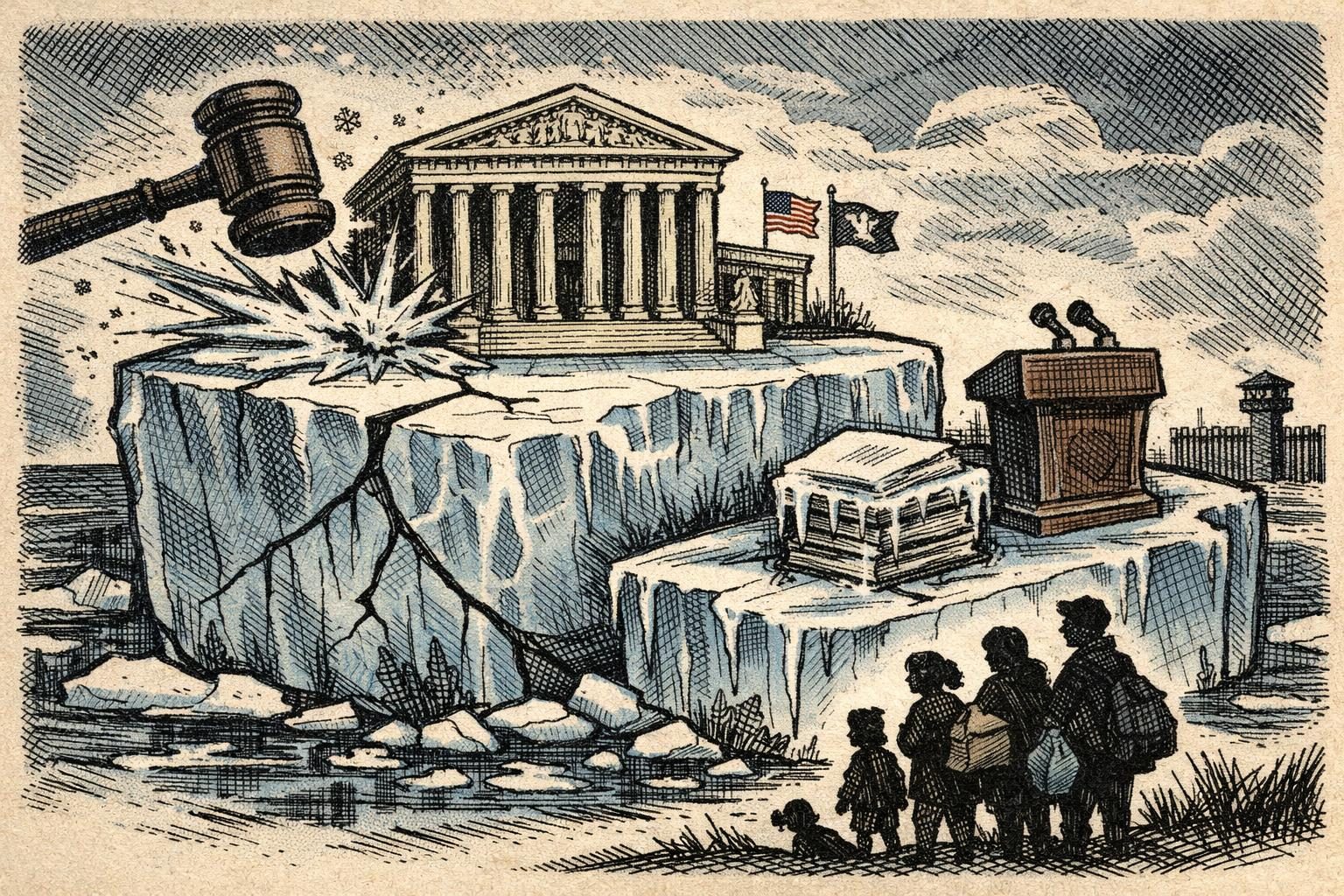
The Supreme Court has put a lower court’s ruling against the Trump administration’s modified SAVE immigration verification program on hold, allowing the system to keep operating while the underlying case moves forward. The order is a procedural victory for the government, but it is also a reminder that the justices are not deciding the merits at this stage. For now, the practical consequence is clear: federal agencies can continue relying on the program’s data-sharing and eligibility-verification machinery instead of shutting it down immediately. That matters because the lower court had vacated the revised program and related notices, which would have forced an abrupt stop. Instead, the administration has bought time, and in a fight this politically charged, time itself can be a powerful form of relief.
SAVE has become more than a narrow administrative tool, and that is part of why this stay carries broader political weight. The program sits at the crossroads of immigration enforcement, identity verification, and the federal government’s relationship with state and local data systems, which means every legal development around it has ripple effects beyond the courtroom. Supporters of the administration argue the system is a necessary safeguard against fraud and mistaken benefit access, and they see the verification process as a normal part of maintaining the integrity of public programs. Critics, by contrast, say the government is stretching legal authority and turning routine verification into something closer to a wider enforcement apparatus. The Court’s decision does not resolve that dispute, but it does prevent opponents from getting immediate relief from a system they believe has been expanded too far. That in itself is significant, because emergency relief often determines whether a contested policy survives long enough to matter in practice.
The stay also reshapes the litigation by changing the baseline from which the case will proceed. Plaintiffs won a lower-court ruling that would have vacated the modified SAVE framework, but that victory has now been paused while the Supreme Court lets the dispute continue on a slower track. In administrative litigation, those kinds of delays are not merely technical. A temporary pause can be functionally decisive when the challenged policy is already in operation and the government can keep using it during the pendency of the case. Agencies now have cover to continue the verification process, which allows the administration to maintain continuity while the legal record is developed. If the Court later reaches the merits, the government may be able to point to an uninterrupted period of use and argue that the system operated without any obvious breakdown. Plaintiffs, naturally, will see that as a problem, because a live system tends to be harder to unwind than one that has already been halted.
There is also a larger institutional signal here, and it cuts beyond the immediate immigration dispute. By granting the stay, the justices showed they were willing, at least for now, to prevent a lower court from immediately shutting down a federal program that the administration considers important. That does not mean the Court is endorsing the program on the merits, and it does not settle the statutory and constitutional questions raised by the challengers. But it does suggest the Court is not eager to let emergency litigation automatically freeze a policy with significant administrative reach. For the White House, that is a useful result in a year when immigration enforcement has become a test of executive capacity and political will. For opponents, it is another sign that fighting these policies in court can produce partial victories without immediate practical gains. And for the broader system, it underscores a recurring reality of immigration litigation: process often determines policy before final legal answers arrive. The SAVE fight is not over, but the government has successfully kept its data tool alive for now, and that may be the most important outcome of all at this stage.
Comments
Threaded replies, voting, and reports are live. New users still go through screening on their first approved comments.
Log in to comment
No comments yet. Be the first reasonably on-topic person here.