
Blumenthal publicly hammers VA nominees over qualifications
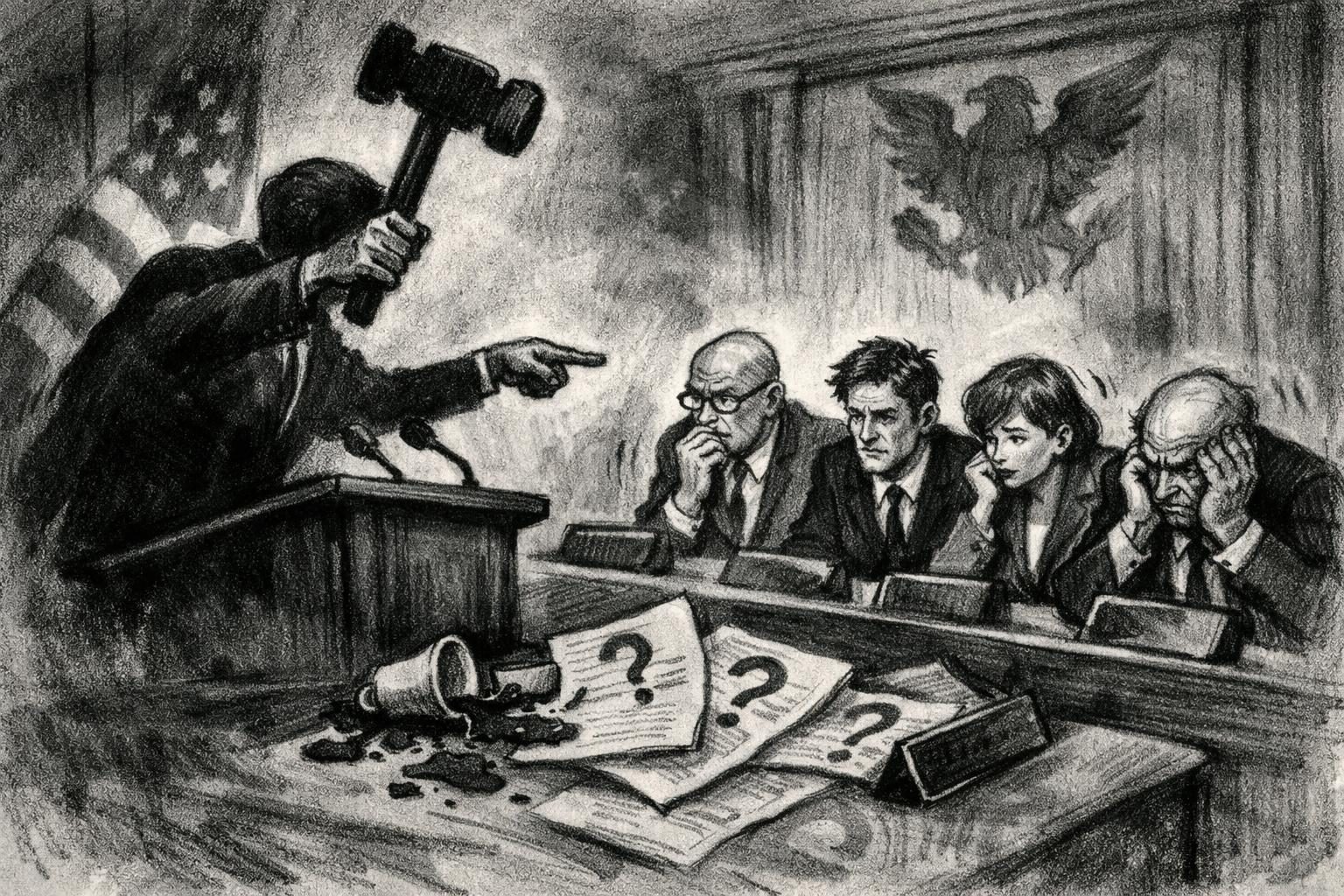
Sen. Richard Blumenthal turned what was supposed to be a routine confirmation hearing for Department of Veterans Affairs nominees into something much closer to a public performance review on Monday, accusing five picks for VA jobs of lacking the qualifications needed to do the work. Rather than treating the session as a narrow look at pending nominations, Blumenthal used his time to question whether the administration had exercised even basic judgment in selecting people for positions that carry real consequences for veterans and their families. His criticism was pointed, repeated, and clearly intended to land not just with the nominees in the room, but with the broader committee and the public watching the process unfold. The question he raised was not whether the nominees were politically acceptable, but whether they were actually prepared for the responsibilities attached to the posts. In a department as large and consequential as the VA, that distinction matters a great deal. The hearing’s tone suggested that at least one senior Democrat on the committee believes the problem is not a single bad pick, but a pattern worth worrying about.
The focus on qualifications was especially sharp because the VA is not a department where inexperience can be waved off as a minor inconvenience. It is the federal government’s main institution for delivering health care, disability compensation, benefits administration, appeals, and a wide range of support services to millions of veterans and their families. A weak appointment in that system can ripple outward in ways that are hard to contain, affecting wait times, case processing, policy implementation, and confidence among the people the department is meant to serve. That is why Blumenthal’s objections carried more weight than a typical partisan swipe at an administration nominee. Even if the White House can eventually muscle some nominations through, the hearing itself exposed a basic concern about whether the personnel pipeline is producing people who are ready to manage a complex and often scrutinized agency. For a department already burdened by scale and persistent operational pressure, that kind of doubt is not trivial. It is exactly the sort of doubt that can slow down oversight, sharpen committee resistance, and make every subsequent nomination fight harder than it needs to be.
What stood out in the exchange was that the criticism was not framed as a disagreement over ideology or policy direction, but as an argument about readiness, competence, and temperament. Those are harder criticisms for a nominee to shrug off, because they go directly to whether the person can handle the demands of the job rather than whether the committee likes the administration’s broader agenda. When senators start publicly questioning whether nominees have the background or judgment to oversee veterans’ services and appeals, the hearing becomes more than a procedural checkpoint. It becomes a warning about the quality of the administration’s staffing decisions and about the standards being applied to fill important government posts. In that sense, Blumenthal’s comments were as much about governance as they were about these five individuals. He was effectively arguing that the administration should not expect deference on appointments that appear thin on experience or seriousness. And once that argument is made in a public setting, it is hard to put back in the box.
The political fallout from a hearing like this may not show up immediately in a roll call vote, but it can still be significant. A committee that feels it has been presented with underprepared nominees is likely to scrutinize later choices more aggressively, and those doubts can linger long after the hearing ends. That creates a broader cost for the White House, which now has to deal not just with the substance of individual nominations but with the impression that it is sending people into sensitive roles without giving enough weight to whether they are actually up to the task. At the VA, that is a particularly damaging impression because the department’s credibility is tied so closely to its ability to function reliably for veterans who depend on it. In practical terms, a nominee who enters a hearing under a cloud of qualification concerns makes it easier for critics to question the entire selection process. In political terms, it suggests an administration willing to treat high-level appointments as interchangeable or transactional when the stakes demand something more careful. Blumenthal’s public blast was therefore more than theater. It was a sign that at least some senators view the VA’s staffing pipeline as a genuine governance problem, and that the fight over nominees may be about whether the department gets leaders who are ready for the job, or simply people who can get through the process.
Comments
Threaded replies, voting, and reports are live. New users still go through screening on their first approved comments.
Log in to comment
No comments yet. Be the first reasonably on-topic person here.