
Transportation’s anti-DEI contracting rule locks in the administration’s purge
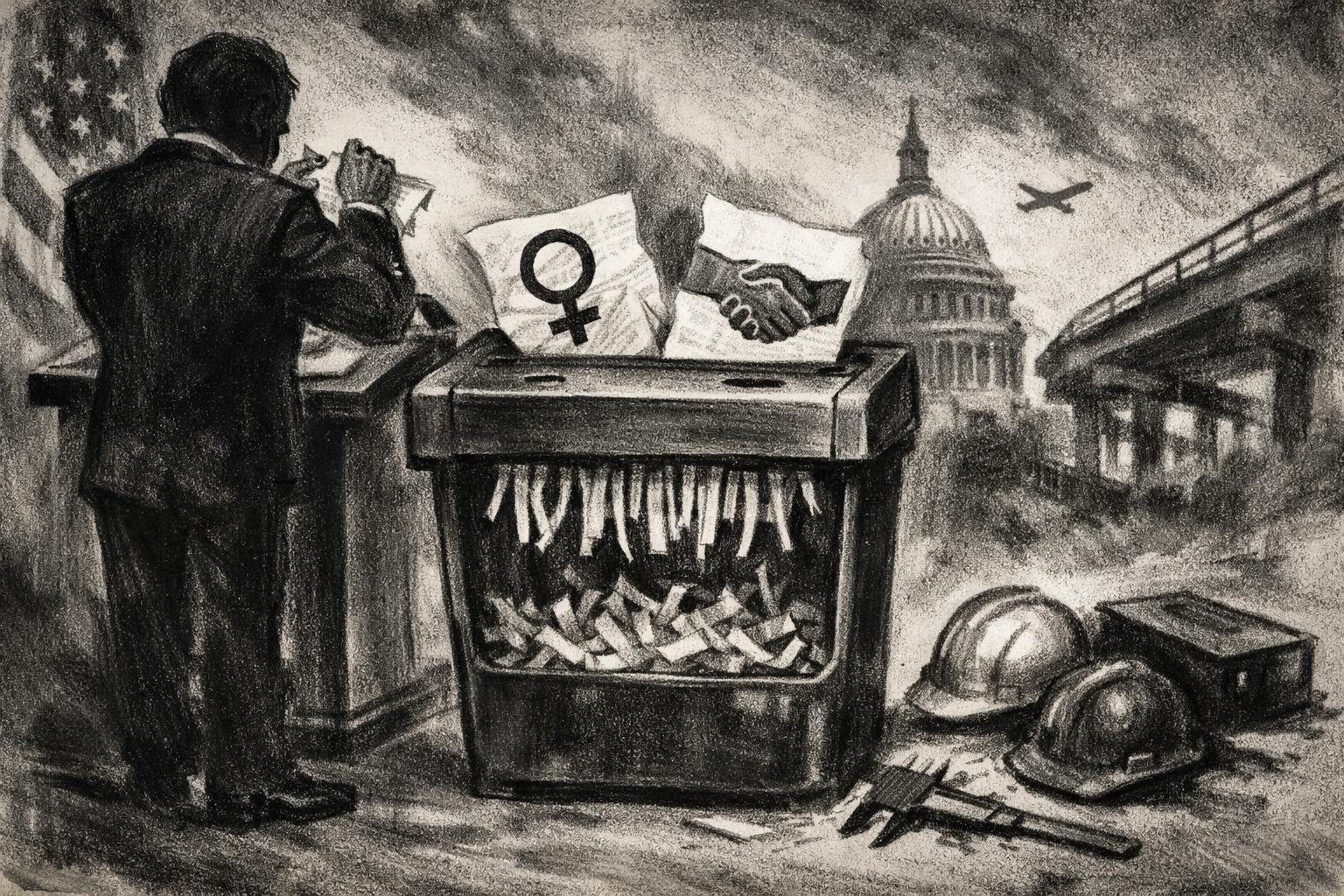
The Transportation Department has now locked in a major change to how disadvantaged business enterprise and airport concession contracting will work, moving the federal government another step away from race- and sex-based presumptions in procurement. The final rule, published in the latest Federal Register cycle, makes the shift official rather than tentative. Under the department’s framing, the revision is about constitutional compliance, program integrity, and a cleaner individualized review of applicants. In practice, though, it represents a clear break from a long-standing model that used demographic categories to help determine eligibility for certain contracting advantages. That makes this more than a procedural update. It is a substantive rewrite of who gets an easier path into federal contracting, and who now has to clear a higher bar.
The administration’s argument is straightforward enough on paper. It says the old framework leaned too heavily on broad presumptions tied to race and sex, and that federal contracting rules should be aligned with a stricter view of equal treatment. The new approach seeks to replace categorical treatment with more individualized assessment, which officials present as both legally safer and more administratively defensible. Supporters will likely describe the rule as an overdue correction, one that shifts contracting decisions toward merit and away from what they consider blunt demographic shortcuts. That description is politically useful because it recasts a rollback as a neutral cleanup. But the policy consequences are harder to spin away. Firms that once qualified under familiar presumptions may now face a more demanding process, and the burden of proving eligibility may fall more heavily on businesses that have long argued that federal contracting barriers are not evenly distributed.
That matters because procurement is one of the biggest levers the federal government has. Contracting rules do not just set internal procedures; they shape market access, influence business planning, and determine which firms can grow through public work. When the rules shift, they can alter entire competitive ecosystems. Smaller contractors, including many minority-owned and women-owned firms, may find the new framework less forgiving even if the government insists it is merely stripping away unnecessary classifications. Agencies, for their part, get to present the move as a legal necessity rather than a policy preference. That is a familiar pattern in the broader administration campaign to remove DEI-oriented tools from federal institutions. Through executive actions and rulemaking, the government has been steadily pushing against equity-based frameworks, and this rule fits that pattern neatly. It does not read like a one-off procurement adjustment. It reads like a continuation of a larger project to rewrite how the federal government talks about fairness, access, and discrimination.
The immediate practical effect is likely to be a wave of compliance adjustments across the contracting world. Federal contractors, airport authorities, and agencies will have to adapt to the new requirements while also trying to understand how much room remains for interpretation. That uncertainty is not incidental. The contracting environment already sits inside a moving target of executive directives, legal challenges, and shifting agency guidance, and this final rule adds another layer of instability. Businesses planning bids want predictability, but the policy landscape keeps changing in ways that may force them to redo procedures, documentation, and eligibility strategies. Litigation is also a real possibility, especially if affected firms or advocacy groups argue that the rule’s claim of neutrality masks a form of discrimination in reverse or simply recreates old disparities through new language. Whether the courts will see it that way is not yet clear. What is clear is that the rule is now official, and it will shape federal opportunities in a way that is likely to be felt long before any broader legal fight is resolved.
Comments
Threaded replies, voting, and reports are live. New users still go through screening on their first approved comments.
Log in to comment
No comments yet. Be the first reasonably on-topic person here.