
DOJ widens its election-crime dragnet again
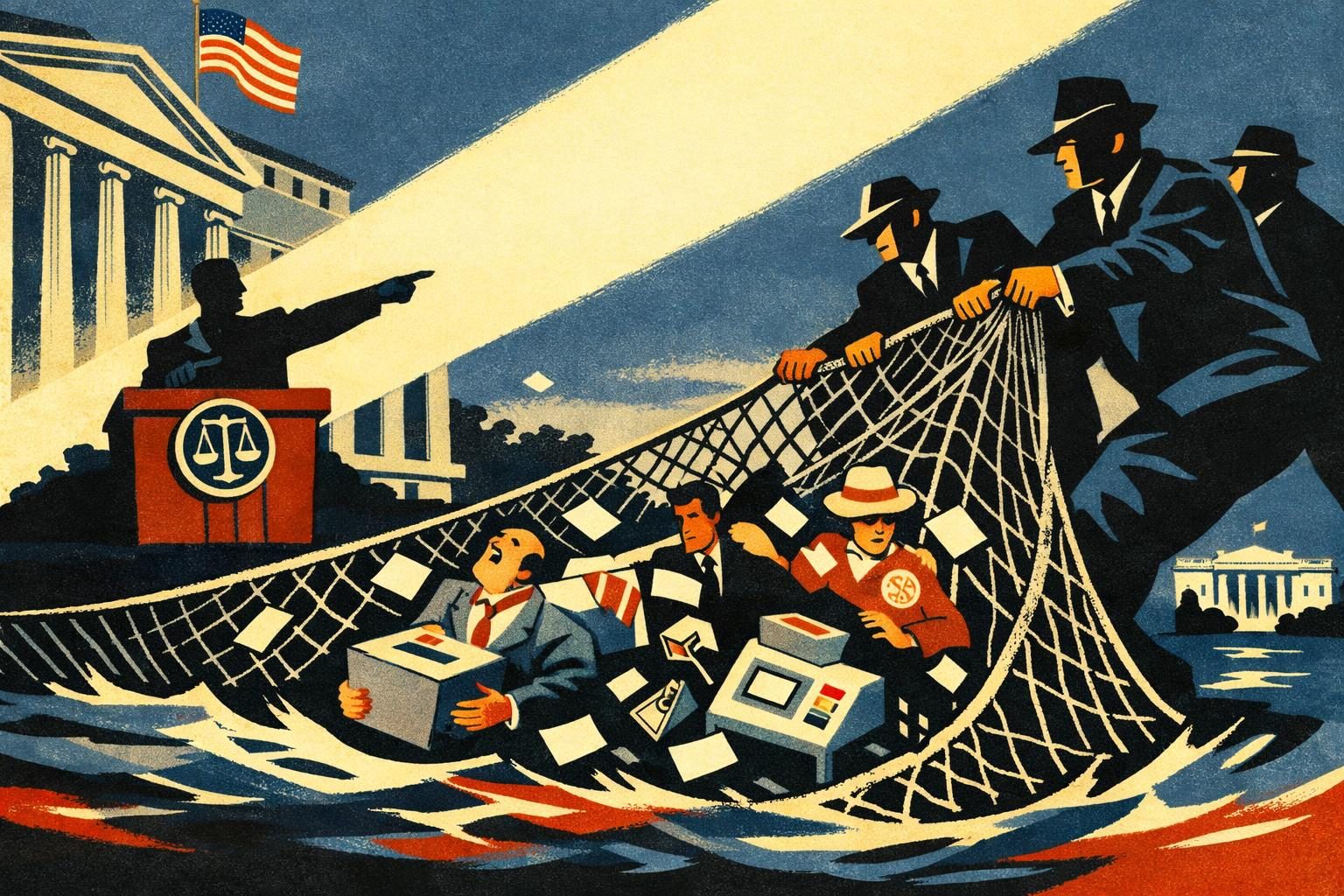
The Justice Department said on September 28, 2026, that it had brought charges or secured guilty pleas in election-related cases involving 12 people, adding another loud entry to the administration’s ongoing campaign to spotlight voting fraud and related offenses. The cases, according to the department’s account, involve alleged illegal voting, false claims of citizenship, fraudulent voter registration, and similar conduct that federal prosecutors say crosses the line into crime. One of the more striking allegations centers on a former postal worker accused of disposing of roughly 300 mail ballots, a detail that immediately raises questions not just about individual misconduct, but about the integrity of mail voting and the reliability of the systems meant to protect it. The announcement itself was not subtle about the message it was meant to send. It was designed to show that the government is watching closely, that it intends to act, and that it wants the public to view election offenses as a serious federal priority rather than a niche administrative problem.
That framing matters because the political uses of these cases are obvious even when the underlying allegations may be straightforward. The administration has made a habit of turning enforcement actions into proof points for a broader argument that the election system is vulnerable to fraud and abuse, especially when the cases involve noncitizens, ballot handling, or registration documents. For supporters, the message is simple: if officials find wrongdoing, they should prosecute it and publicize it. For critics, the trouble is not that every allegation is invented, but that the government is elevating a handful of cases into evidence for sweeping claims about the health of American elections. That difference is not cosmetic. Once election crimes are treated as an all-purpose symbol of systemic breakdown, they can be used to justify stricter rules, more intrusive checks, and a broader atmosphere of suspicion around voting. The department’s latest batch of cases fits neatly into that political pattern, whether or not that is the department’s stated intention.
There is also a genuine law-enforcement story here, and it should not be waved away simply because the politics are ugly. If ballots were discarded, if someone falsely claimed citizenship to cast a ballot or register to vote, or if a person exploited the mail system to interfere with election materials, those are serious offenses with real consequences. Prosecutors have every reason to treat such conduct as a matter of public trust, not as a trivial paperwork dispute. But the problem comes in the packaging and the amplification. The more the department presents each case as part of a larger national emergency, the more it risks blurring the distinction between actual criminal conduct and a generalized narrative of electoral rot. That matters because public officials can use that narrative to defend policy changes that go far beyond the facts of any single indictment or plea agreement. Even where wrongdoing exists, the leap from a specific case to a sweeping argument about the entire voting system can be politically convenient and analytically thin.
The practical effect is a louder, more punitive federal posture on election issues as the next cycle approaches. Republicans are likely to point to the latest charges and pleas as confirmation that fraud is more common than skeptics admit, particularly in cases touching on citizenship or ballot custody. Voting-rights advocates and Democrats, meanwhile, will almost certainly argue that the administration is magnifying relatively limited incidents to build support for tougher rules and more aggressive enforcement in areas that already burden voters. Both sides will use the same cases for different purposes, which is part of what makes the department’s strategy so consequential. The announcement does not settle the policy debate; if anything, it deepens it. What it does show is that the Justice Department intends to keep filing these cases, publicizing them prominently, and treating them not just as prosecutions but as a political signal. In that sense, the election-crime dragnet is now doing double duty: it is punishing alleged misconduct while also shaping the public argument over how much suspicion the voting system should carry into the next election.
Comments
Threaded replies, voting, and reports are live. New users still go through screening on their first approved comments.
Log in to comment
No comments yet. Be the first reasonably on-topic person here.