
DOJ quietly closes more than 50 school-desegregation cases, and the optics are ugly
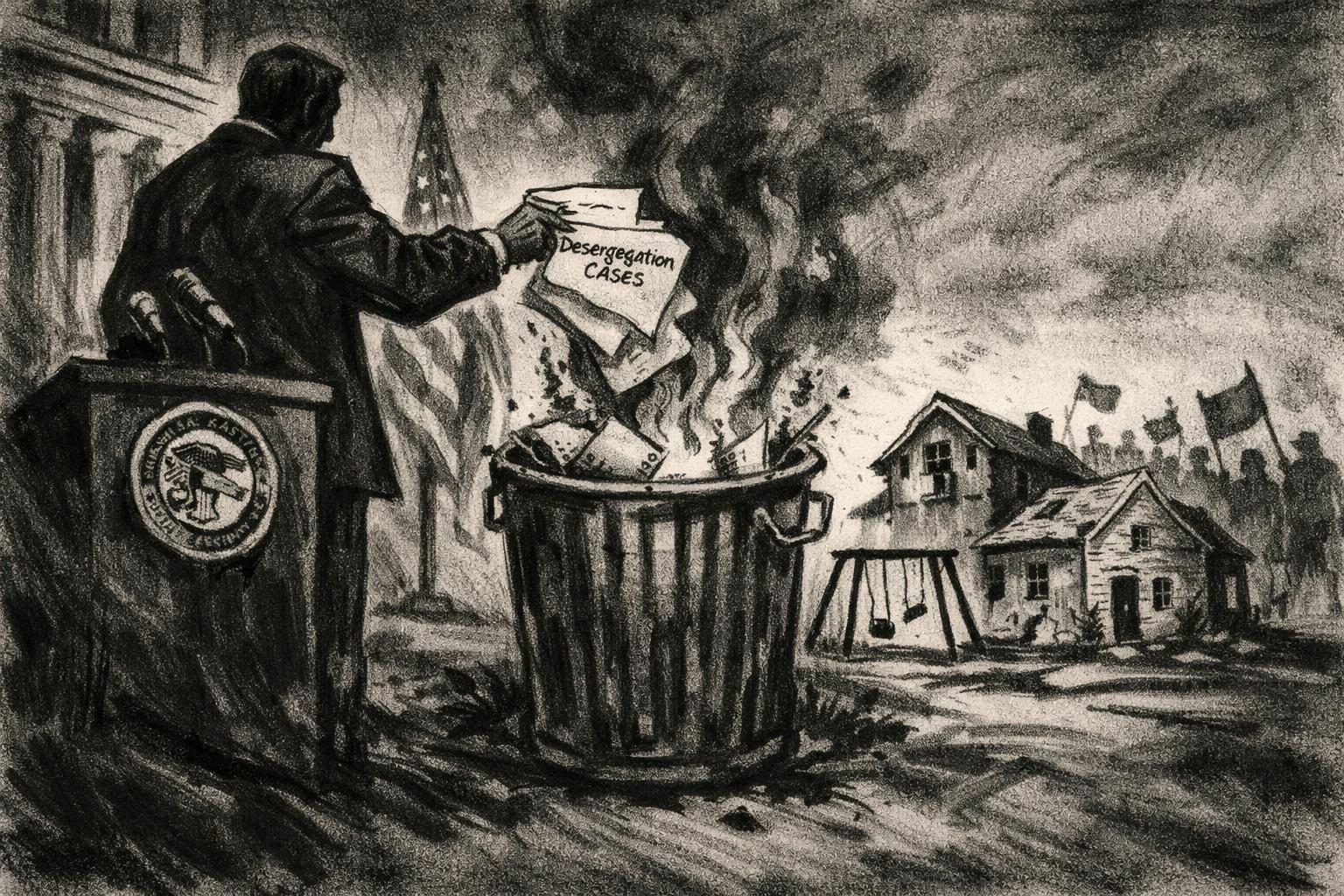
The Justice Department said on September 28 that it is closing more than 50 longstanding school-desegregation cases, many of them dating back more than half a century. On paper, the move can be presented as routine docket maintenance, the kind of legal housekeeping that comes after years of court oversight have done their work and the original emergency has faded. In practice, though, the announcement lands in a very different political moment, one in which federal officials have been loudly policing everything from school curricula to admissions policies to gender-related education disputes. That makes the decision look less like a neutral clean-up and more like a deliberate signal about which civil-rights battles still matter to this administration. For a department that likes to frame itself as serious about law and order, it is an awkward moment to be seen setting aside some of the most important enforcement tools in the country’s desegregation history.
The legal case for ending old decrees is not hard to understand. School-desegregation litigation is notoriously messy, and many of these cases were born in an era when American school systems were explicitly segregated and needed federal court supervision to dismantle legally enforced racial separation. Over time, some districts did comply, and some orders eventually became obsolete because the underlying violations were resolved decades ago. A responsible Justice Department is not supposed to keep permanent control over local school systems simply out of habit. If the facts show that a district has lived under and met its obligations for generations, then closing the file can be appropriate. But the fact that a legal rationale exists does not make the timing politically neutral, and it does not erase the uneasy impression created when civil-rights oversight is being wound down at the same time the department is aggressively choosing new frontiers for litigation. The distinction matters, because one is a matter of administrative judgment and the other is a statement of national priorities.
That is where the optics become difficult to ignore. The administration has made a habit of battling institutions and policies that it casts as part of a progressive culture-war apparatus, while presenting itself as the guardian of fairness and common sense. In that environment, closing old school-desegregation cases does not read like an isolated procedural decision. It reads like part of a broader retreat from the federal government’s historic role in confronting structural racial inequality, especially in education. Civil-rights enforcement has never just been about courtroom paperwork; it has been about signaling that the federal government will stay engaged when local systems fail to guarantee equal access. Pulling back from that work, even if some of the cases are indeed ready to close, sends a message about what kinds of inequality are considered urgent and what kinds can be safely left in the archive. The administration can insist that this is efficient docket management, and maybe it is, but efficiency is not the same thing as seriousness, and neither is the same thing as moral clarity.
The broader political pattern is what makes the announcement so combustible. The Justice Department is simultaneously pursuing high-profile fights over issues such as gender transitions, school admissions, and gun regulations, all while ending a large block of the country’s oldest desegregation cases. That juxtaposition creates a stark contrast between the government’s willingness to press new fights that energize its political coalition and its willingness to step away from older structural civil-rights obligations that have historically required patience, oversight, and institutional memory. Critics will see that contrast and conclude that the department is not merely triaging a crowded legal calendar but reallocating its moral attention. Even if some of the cases being closed had genuinely outlived their purpose, the larger public message is that the administration is comfortable leaving the remnants of segregation-era enforcement behind while leaning hard into contemporary grievances that fit its preferred narrative. In the end, the fallout may be mostly symbolic, but symbolism carries real weight when it comes from the Justice Department. Closing these cases tells the country something about which fights are still open and which ones the government would rather declare finished, and that message is likely to be remembered long after the paperwork is filed away.
Comments
Threaded replies, voting, and reports are live. New users still go through screening on their first approved comments.
Log in to comment
No comments yet. Be the first reasonably on-topic person here.