
Education officially blows up the Biden Title IX rewrite and revives the 2020 rule
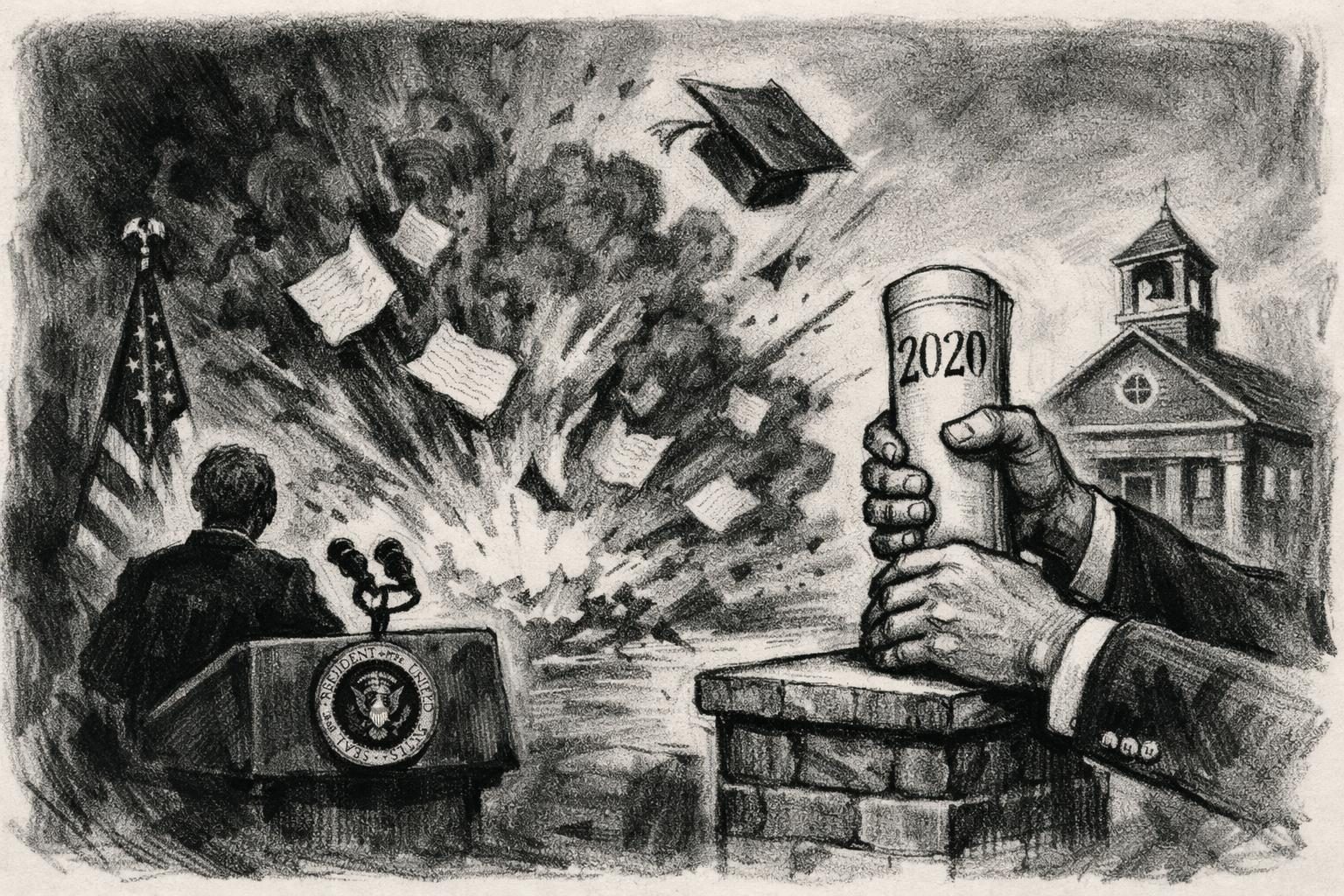
The Education Department on September 28 formally scrapped the Biden administration’s Title IX rewrite and restored the 2020 regulation that had been issued during the first Trump administration, once again resetting the federal rules that schools use to handle sex-discrimination complaints. On paper, the department says the move brings clarity back to campuses that have been living through one round of regulatory whiplash after another. In reality, it means colleges, K-12 districts, and the lawyers who advise them are being told to pivot yet again after spending years building procedures around a very different federal framework. Title IX is not a decorative line in the codebook. It governs how schools respond to harassment complaints, whether they investigate, how they discipline students, and what kind of process accused students and complainants can expect. When Washington changes that machinery, the effects reach far beyond bureaucratic housekeeping.
The new move takes the country back to a rule that, in practical terms, reflected a narrower view of school responsibility and put more weight on live hearings and formal adjudication in certain cases. The Biden-era rewrite went in the opposite direction, widening protections and changing how complaints could be handled. Those differences were never subtle, and they were never merely technical. They shaped whether students believed reporting would help, whether institutions thought they were exposed to liability, and how administrators trained staff to investigate accusations that can be emotionally fraught and legally risky. By rescinding the Biden rule, the department is not just changing a form or adjusting a deadline. It is telling schools to unspool compliance plans that many of them only recently finished building. For institutions that were already struggling to keep up with the pace of federal guidance, this is another round of expensive retraining, policy rewriting, and legal review that few education officials are likely to celebrate. The official line is stability. The lived experience is usually closer to administrative vertigo.
The politics of the decision are about as hard to miss as a marching band in a library. Conservatives have spent years arguing that the Biden version stretched Title IX beyond its proper bounds and turned campus sexual-misconduct policy into a vehicle for ideological enforcement. Civil-rights advocates and many student groups have made the opposite case, warning that the 2020 rule made it harder for survivors to report abuse and harder for schools to respond effectively. Both camps were always going to treat this reversal as a referendum on something bigger than education policy, because it is. Title IX has become a proxy battlefield for arguments about due process, gender equity, campus discipline, and the proper role of the federal government in student life. The department’s action will satisfy those who wanted the Biden framework gone and infuriate those who saw it as a necessary correction. But satisfaction on one side and outrage on the other do not make a coherent regulatory strategy. They just mean the argument remains exactly where it was, only with a different set of rules pinned to the bulletin board.
The practical fallout will show up in places that rarely make headlines but always feel the impact first. Schools will need to revisit policies, student handbooks, training materials, investigator protocols, and grievance procedures. Some will have already rewritten those materials once or twice in recent years and now face the prospect of doing it again. Pending complaints may have to be evaluated under a different framework than the one administrators expected when they started. Lawsuits are likely to keep moving, because every major Title IX shift tends to generate new rounds of litigation over whether the government acted properly and whether schools applied the right standard. There is also the more mundane but more widespread cost of confusion: staff members trying to keep up, students trying to figure out what protections actually exist, and campus officials hoping their next compliance memo will last longer than a season. The administration says this reversal restores order. That may be true in the narrow sense that it replaces one rule with another. But for the schools caught in the middle, it is another reminder that civil-rights enforcement has become a partisan trampoline, with each landing treated as temporary until the next bounce sends everyone back the other way.
Comments
Threaded replies, voting, and reports are live. New users still go through screening on their first approved comments.
Log in to comment
No comments yet. Be the first reasonably on-topic person here.