
The House is back on the schedule, because apparently Congress can still calendar things
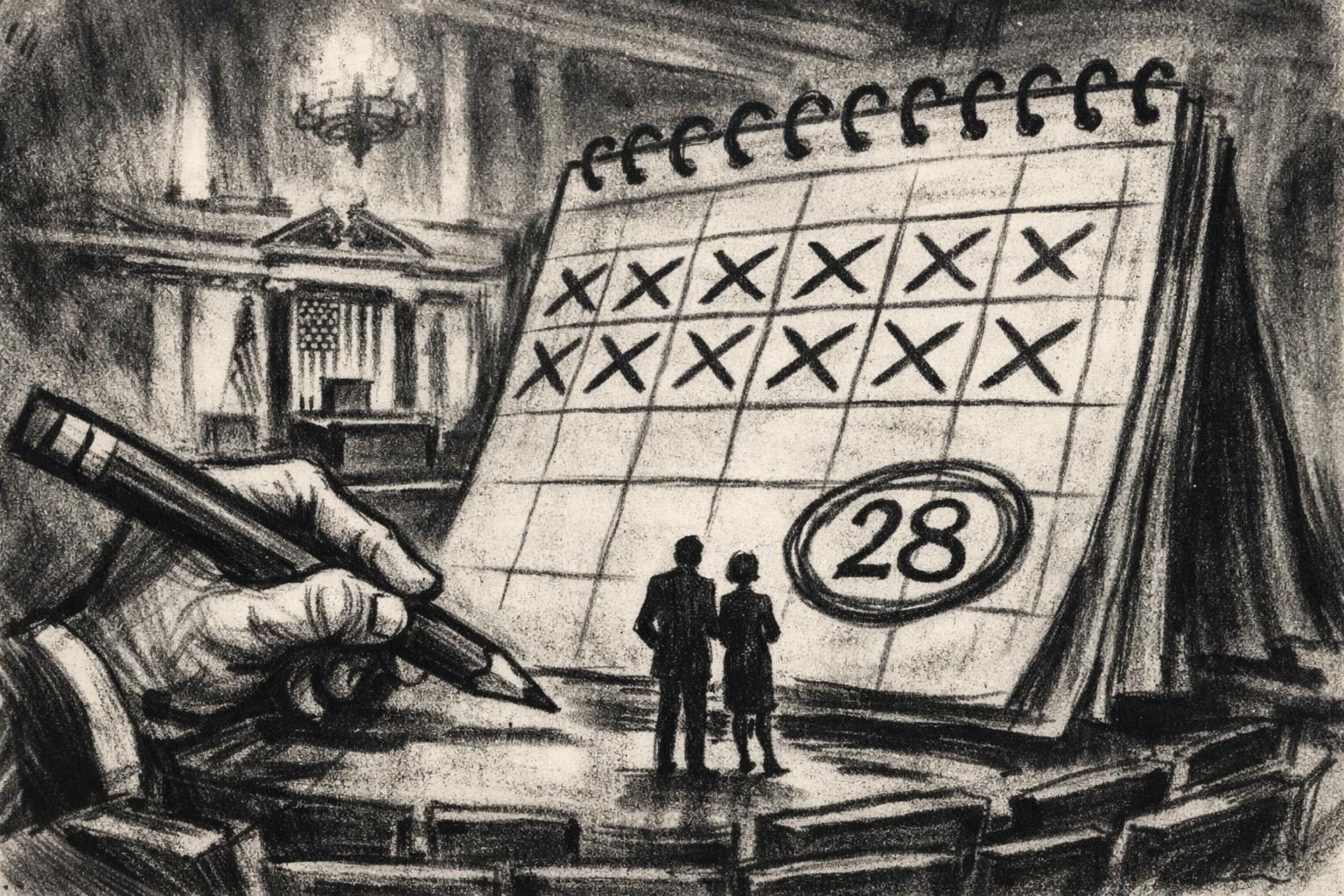
The House is, according to its own clerk’s site, back on the calendar for September 28 after an earlier adjournment notice had the chamber briefly off the board. That is not the kind of development that typically sends anyone sprinting for the smelling salts, but it is still a real procedural marker worth noting. Congress has a habit of making the mundane sound dramatic, and this is one of those moments where the machinery itself becomes the story. The chamber’s scheduled return is less a showdown than a reminder that even in a hyperventilating political environment, somebody still has to set the date. In an institution that often treats basic functionality like a negotiable luxury, simply appearing on the schedule counts as forward motion.
The clerk’s site does more than display a date, and that matters because congressional websites are often the closest thing the public gets to a live status board for federal governance. The page shows recent floor activity and messages from the Senate, which is a sign that the inter-chamber paperwork continues even when the broader politics are stuck in their usual swamp. That does not mean the House is suddenly humming with consensus or that lawmakers have discovered a new appreciation for orderly lawmaking. It does mean the procedural gears are turning, however slowly, and that bills, messages, and routine business are still moving through the system. In practical terms, that is the difference between a legislature that is idling and one that has at least put the key in the ignition.
The timing matters because the House’s schedule is not just a matter of convenience. When the chamber is away, deadlines harden, negotiations get weaponized, and members of both parties tend to discover new and creative ways to blame the other side for the mess. A late-September return suggests that whatever backlog has built up during the pause may now have to be confronted in public, where deadlines can no longer be postponed by sheer force of vibes. Funding disputes, oversight fights, message passing, and the usual housekeeping all pile up when the House is absent, and those piles do not sort themselves out. Leadership can try to compress days of work into a frantic stretch of floor time, but that usually produces more noise than clarity. The result is often a calendar that looks less like a governing plan and more like a fire drill with a staff memo attached.
Still, this is not a scandal, and it is not a constitutional crisis. The House reconvening after an adjournment notice is a procedural fact, not a dramatic reversal of fortune. That makes the story modest in substance but still useful as a snapshot of congressional reality: the chamber is alive, the schedule exists, and the institution remains capable of resuming business after a pause. In a healthier political climate, the public would barely notice. In the current one, even a simple return to session can feel like a small proof of life. The real question is not whether the House can meet on September 28, because it can, but whether it will use the time to solve anything before the next round of brinkmanship arrives. For now, the answer is only that the House is back on the board, which is more than nothing and, in this Congress, often close enough to progress to merit a second look.
Comments
Threaded replies, voting, and reports are live. New users still go through screening on their first approved comments.
Log in to comment
No comments yet. Be the first reasonably on-topic person here.