
Shapiro bets big on Harrisburg with a $64 million revival plan
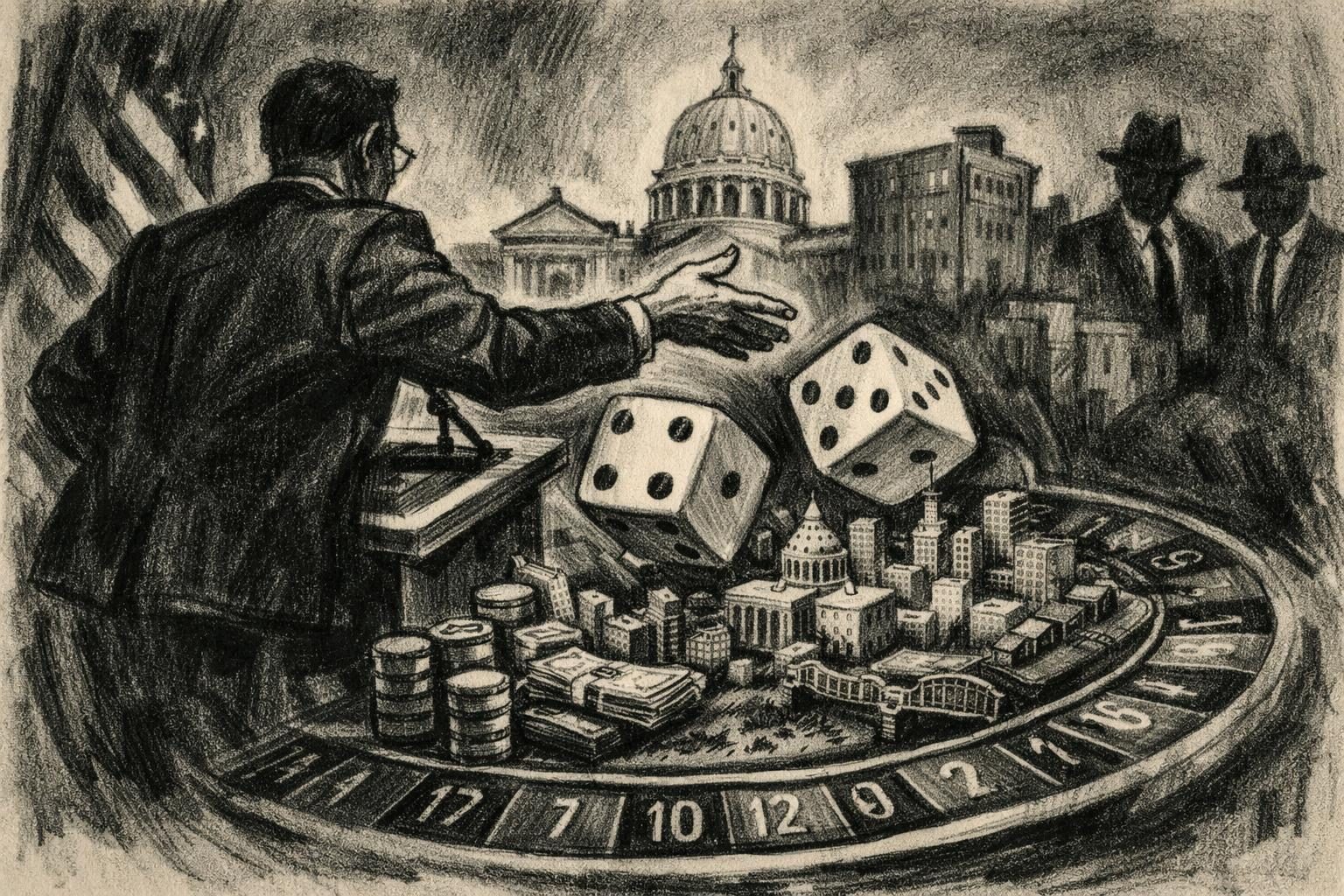
Pennsylvania Gov. Josh Shapiro and local leaders on Monday rolled out a downtown Harrisburg revitalization package that they say will unlock more than $64 million in combined investment, with the state contributing $22.7 million to help anchor the effort. The announcement is aimed at a cluster of visible projects and policy tweaks that are meant to make the capital city feel more active, more accessible, and more attractive to both residents and visitors. The package is expected to support a hotel, improvements to Riverfront Park, safer streets, support for small businesses, and cheaper parking, all of which were presented as pieces of a larger strategy rather than stand-alone fixes. In practical terms, the plan is a rare example of a governor putting public money and political capital behind a downtown revival effort in the city where state power is most on display. In political terms, it is also exactly the kind of announcement Shapiro seems eager to make: concrete, optimistic, and easy to point to when he wants to argue that government can still deliver visible results.
Harrisburg’s status as Pennsylvania’s capital gives the project a meaning that goes beyond a routine development package. The city sits at the center of state politics, yet like many downtowns it has spent years wrestling with familiar problems: uneven foot traffic, aging infrastructure, and the challenge of turning government presence into broader economic vitality. That makes this effort both symbolic and practical, because a successful revival in the capital would offer a tidy proof point for a governor who has built part of his identity around competence and follow-through. The pitch from Shapiro and local officials is straightforward enough: if you improve the public realm, support private development, and make the downtown easier to use, more people will come, stay longer, and spend money. That is the theory, at least, and it is one that has a lot of political appeal because it lets elected officials talk about results in terms people can see and touch, rather than in abstractions about budgets or benchmarks. But it also means the plan will be judged not by the announcement itself, but by whether the streets feel different a year or two from now.
That is where the skepticism naturally starts to creep in. Downtown revitalization plans often come with polished renderings, upbeat talking points, and a strong promise that public investment will catalyze private money, but the record on those efforts is mixed at best. Critics are likely to ask whether the benefits of this package will be spread widely enough or whether they will mostly strengthen a few blocks that are already positioned to gain while leaving other neighborhoods to wonder what, exactly, was transformed. Projects involving hotels and parking, in particular, tend to draw suspicion because they can look like public subsidies for private convenience rather than durable civic improvements. Supporters would argue that cities cannot attract growth without making the core of the city more functional and attractive, and that safer streets, better park access, and a stronger small-business environment create value that extends beyond a single development site. Both things can be true at once, which is why these initiatives usually produce a familiar tension: they are easy to celebrate on announcement day and much harder to defend if the benefits stay concentrated among those already closest to the action.
Still, the fact that the state has put real numbers on the table makes this more than just another exercise in political branding. The $22.7 million state commitment, paired with the broader investment package, gives Harrisburg a tangible financial boost and puts the city back in the conversation as a place where state government is willing to spend money to shape outcomes. For Shapiro, that matters because it reinforces the image he has worked to cultivate: a hands-on governor who wants to be seen solving problems rather than merely describing them. For city leaders, it offers a chance to claim momentum and, if the plan works, to show residents that downtown improvement is not just a slogan. The open question is whether the project produces lasting economic activity or whether it settles into the familiar pattern of ribbon-cutting optimism followed by slow, uneven implementation. That uncertainty does not make the announcement less real. It just means the political upside is immediate while the civic payoff still has to be earned, block by block, through execution rather than presentation.
Comments
Threaded replies, voting, and reports are live. New users still go through screening on their first approved comments.
Log in to comment
No comments yet. Be the first reasonably on-topic person here.