
Hospitals start paying for the administration’s anti-trans medicine campaign
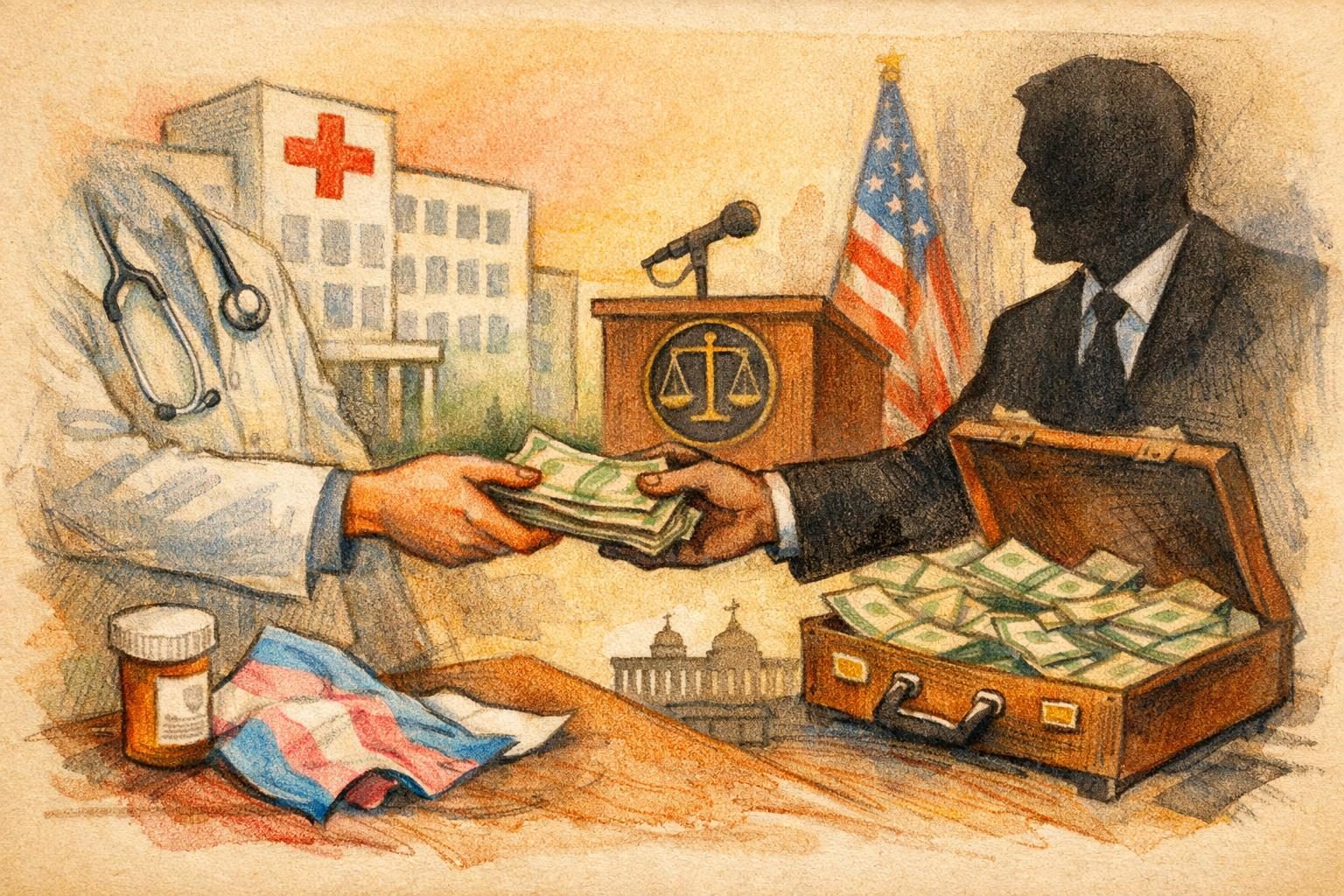
A widening list of major hospitals has begun striking deals with the Justice Department that would end, freeze, or sharply limit gender-affirming care for transgender minors, and in some cases send money back to the federal government as part of the resolution. The latest agreements were assembled over the past week, but they do more than settle a legal dispute: they effectively turn the administration’s anti-trans pressure campaign into a working rule for providers that previously offered this care. Officials describe the arrangements as voluntary, which is the kind of word that can mean a lot of different things depending on how much power the other side has over your licensing, records, funding, and future litigation risk. Hospital lawyers, meanwhile, appear to be behaving as if the alternative is not a theoretical courtroom fight but a much more expensive and destabilizing confrontation with federal investigators. At least six major hospitals are now understood to have cut some version of this deal, which is enough to signal a pattern rather than an isolated compromise. Even without a formal nationwide ban, the practical result is beginning to look a lot like one, just assembled one institution at a time.
That matters because the administration is not merely making a policy argument about a controversial area of medicine. It is using federal enforcement power to change what hospitals are willing to do, and that makes the fight about much more than the merits of gender-affirming treatment itself. When the government can apply pressure through investigations, records demands, settlement terms, and the threat of public scrutiny, it can reshape medical practice without asking Congress to pass a law. That is a potent form of leverage, especially in a health system where institutions depend on federal reimbursements, grants, and regulatory goodwill. The administration has insisted that the hospitals are choosing these resolutions on their own, but that line sits uneasily beside the obvious imbalance of power in the negotiations. Hospitals have not been admitting wrongdoing in the deals, which suggests they are treating these agreements less like confessions than like damage control. In other words, the terms may reflect institutional fear as much as any change in medical belief.
The substance of the crackdown is especially consequential because it hits minors and their families directly, often at moments when care decisions are already medically and emotionally difficult. Gender-affirming care is a politically charged topic, but for the patients and clinicians involved, it is not an abstract debate; it is a set of services that may include evaluation, counseling, hormone-related treatment, or referrals, depending on the case and the institution. The new agreements do not settle the underlying medical controversy, and they do not resolve the broader legal fight over how much authority the federal government has to influence these decisions. What they do is create a shrinking and uneven map of access, with some hospitals backing away while others watch to see where the pressure lands next. That unevenness is part of the point, and also part of the danger: when care is altered hospital by hospital, the result can be confusion, secrecy, and a chilling effect far beyond the institutions that signed first. Families may not know where services still exist, clinicians may not know what kind of scrutiny will trigger the next investigation, and hospitals may conclude that silence is safer than principle. The effect is a policy change in practice, even if it is not yet one in law.
The broader political significance is that the administration is demonstrating a willingness to use the machinery of government to punish or deter institutions that refuse to align with its position on transgender care. That can produce quick wins, because a deal with one large hospital can influence the behavior of others, but it also creates a paper trail that critics can point to when arguing that the government is coercing healthcare decisions through fear rather than regulating them through ordinary process. The hospitals are not openly celebrating the arrangements, and that alone tells a revealing story about how these settlements are being reached. If the deals were simply the result of clear legal liability, the public posture would probably look different. Instead, the atmosphere is one of reluctant compliance, strategic ambiguity, and a lot of people trying to avoid becoming the next example. This is also why the issue is likely to remain volatile: the law is unsettled, the medicine is still contested in the political arena, and the federal government appears willing to keep pressing until institutions either resist loudly or comply quietly. For now, the hospitals that have signed on are helping normalize the campaign, while everyone else in the system gets a lesson in how fast a political threat can become an administrative reality. What started as a culture-war talking point is now producing tangible changes in care, money, and institutional behavior, and that may be the clearest sign of all that the administration’s strategy is working exactly as designed.
Comments
Threaded replies, voting, and reports are live. New users still go through screening on their first approved comments.
Log in to comment
No comments yet. Be the first reasonably on-topic person here.