
A federal judge blocks Trump’s immigrant-benefits crackdown at Head Start
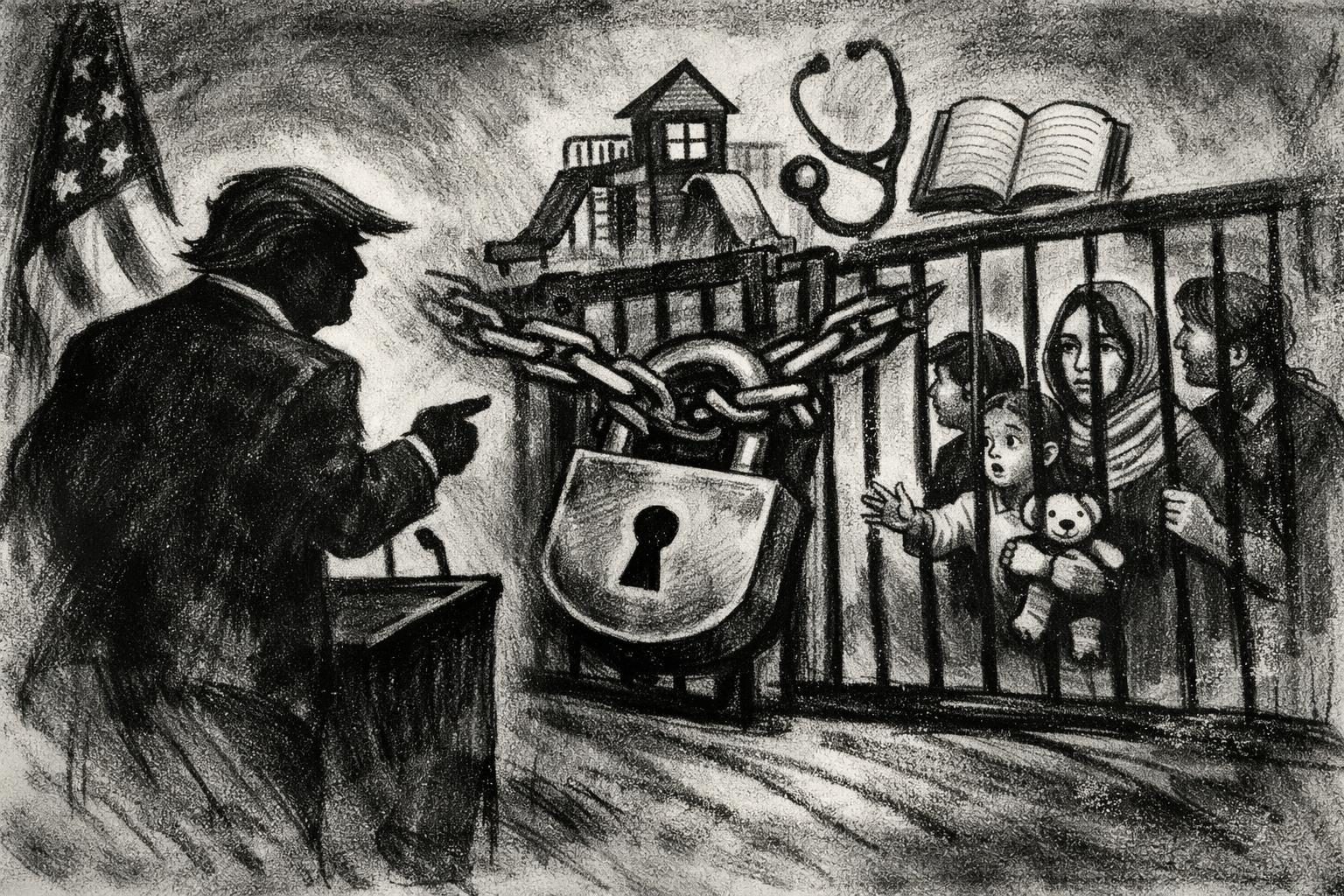
A federal judge in Rhode Island has turned a temporary pause into a permanent stop, blocking a Trump administration directive that would have shut some immigrants out of Head Start preschools, community health centers, and adult education programs. The ruling lands as a sharp rebuke to a policy that tried to redraw the boundaries of basic social services by tying them more tightly to immigration enforcement. At issue was an administration effort to use an older federal benefits framework to justify excluding people the government described as undocumented from programs that do not function like traditional welfare checks and often serve whole families, including those with mixed immigration status. The court had already put the directive on ice while the case moved forward, but the new order makes clear that the legal challenge is no longer a temporary setback for the White House. It is a permanent loss on a significant piece of a broader strategy. The administration’s pitch was that it could keep “illegal aliens” out of federal services by reclassifying broad categories of assistance, but the judge’s ruling says that theory does not survive scrutiny.
What made the directive so explosive was not just the language around immigration status, but the reach of the change itself. Head Start is not a niche benefit tucked away from public view; it is a well-known early childhood program that many working families depend on for child care and school readiness. Community health clinics are often the front line for people with no other practical access to care, whether they are citizens, lawful residents, or members of families with varying immigration statuses. Adult education programs likewise serve a wide range of people seeking basic literacy, job training, or language instruction, and the ripple effects of a restriction would not be limited to the small set of people the administration said it wanted to target. That is part of why the order drew so much pushback. The policy was written as if the government could neatly separate immigration enforcement from service delivery, but in practice those lines are messy, especially in communities where one household can include citizens, green card holders, asylum seekers, and people without status all under the same roof. The court’s ruling reflects that reality. It also suggests the government’s legal theory was not simply harsh, but too blunt to fit the programs at issue.
The broader significance here is that this was never merely a dispute about eligibility rules. It was an attempt to turn ordinary public services into another checkpoint in the immigration system, and that shift carries obvious political and human consequences. When families believe a clinic visit or a preschool application could trigger scrutiny, they are less likely to show up at all, even if they or their children are eligible for the service. That kind of chilling effect is often the point of these policies, or at least one of them, because fear can accomplish what formal denial does not. But fear also has collateral damage, and in this case the damage would have landed on children, parents, and adult learners who may have had no reason to think they were the real target. The judge’s permanent injunction matters because it cuts against that logic and says the administration went too far. It does not resolve every argument about federal spending or immigration policy, but it does shut down a specific effort to stretch benefits law into a tool of exclusion. For advocates, that is a meaningful victory. For the administration, it is a reminder that not every messaging-driven crackdown can be converted into a lawful regulation.
There is also a practical lesson in the ruling for agencies now tasked with enforcing rules that are supposed to be clear, stable, and administrable. When the White House tries to rewrite the purpose of a social program in the middle of a political fight, it risks creating confusion for staff, providers, and the public, and confusion can be as disruptive as an outright cutoff. Clinics do not operate well when they are forced to guess which patients might be considered out of bounds. Head Start administrators cannot easily do their jobs if every enrollment conversation is shadowed by immigration questions that the program was not designed to handle. Adult education providers, too, depend on straightforward rules if they are going to reach people who are already hesitant to come forward. The ruling suggests that the administration’s ideological rewrite collided not only with statutory limits, but with the basic functioning of the programs themselves. That may be part of why the court was willing to make the injunction permanent. The result is not a final end to the political fight over immigration and public benefits, but it is a substantial brake on an aggressive tactic that relied on using social services as leverage. For now, that brake means a child is more likely to get into Head Start, a patient is more likely to see a clinic, and an adult learner is more likely to walk into class without being turned away by a rule that tried to make status matter where it should not.
Comments
Threaded replies, voting, and reports are live. New users still go through screening on their first approved comments.
Log in to comment
No comments yet. Be the first reasonably on-topic person here.