
Justice Department Takes Minnesota’s Gun Waiting Period to Court
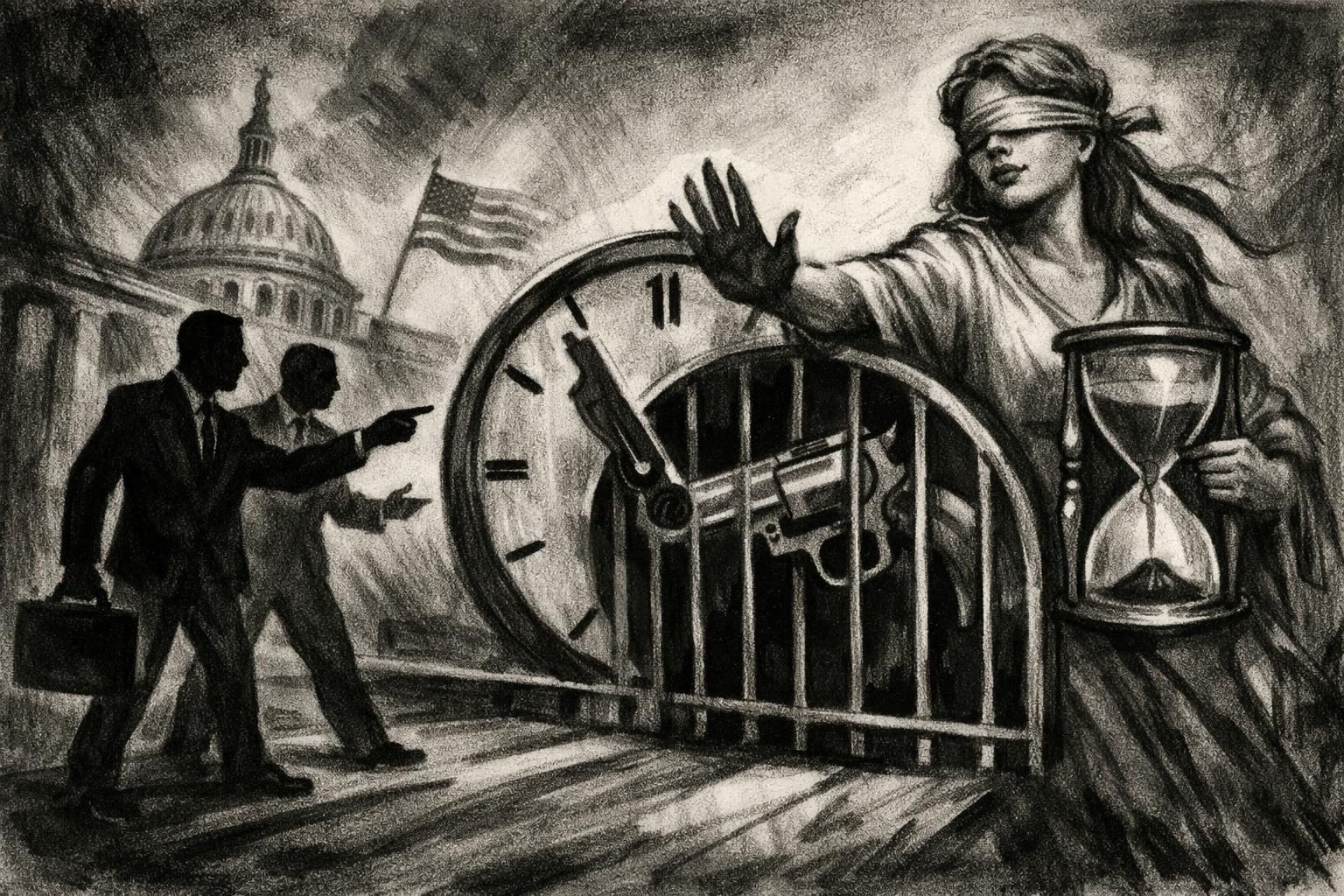
The Justice Department on Monday turned Minnesota’s gun-purchase waiting period into a federal courtroom fight, filing suit against the state, Minneapolis, and St. Paul over rules that delay some lawful buyers from taking home firearms. At the center of the case is a claim that the state’s waiting-period and permit-to-purchase system unlawfully burdens people who have already passed a background check and are otherwise eligible to buy a gun. The department is presenting the dispute as a constitutional rights matter, not simply a disagreement over how aggressively states may regulate firearm sales. In doing so, it is signaling that it sees Minnesota’s rules as the kind of delay the Second Amendment does not allow. The filing places a familiar state-level public-safety policy squarely into the federal government’s broader legal campaign over gun rights.
Minnesota’s system can require buyers to wait days and, in some situations, as long as 30 days before taking possession of a firearm, with some local processing timelines stretching close to 60 days. Federal officials argue that those delays are too long for someone who has already cleared the background-check hurdle and completed the required steps to purchase a gun. The complaint frames that wait as an unconstitutional obstacle, especially when the buyer is otherwise law-abiding and legally eligible. Supporters of waiting periods generally say the point is not to deny a gun indefinitely, but to insert a cooling-off period that may help prevent impulsive acts of violence and give authorities more time to complete checks. The lawsuit does not just challenge a narrow administrative timeline; it challenges the premise that a short delay can be imposed at all when the government has already decided the buyer may lawfully own a firearm. That makes the case potentially important well beyond Minnesota.
For gun-rights advocates, the lawsuit is likely to be welcomed as a long-overdue challenge to what they see as bureaucratic punishment for exercising a protected constitutional right. They have long argued that once a background check is complete, the government should not be able to make a person wait additional days or weeks to bring home a legally purchased gun. The Justice Department’s complaint appears to adopt that basic logic and push it into a federal civil-rights framework, where the question becomes not whether the policy is popular, but whether it is constitutionally permissible. Gun-safety supporters, meanwhile, are likely to argue that the administration is treating a modest safety measure as though it were an outright ban. They are expected to say waiting periods are one of the few tools available to slow sudden, dangerous decisions without permanently disarming anyone. The case therefore lands at the intersection of two sharply different views of what the Second Amendment protects and how much room governments have to regulate access to firearms.
The practical effect, at least for now, is more litigation and less certainty for Minnesota officials trying to defend the rules they enforce. Cities and states often face legal challenges over gun regulations, but this suit is notable because it comes from the federal government itself and directly targets both state law and local implementation. That raises the stakes for Minneapolis and St. Paul as they defend policies that officials may view as routine public-safety measures. It also underscores how aggressively the current Justice Department is using the courts to advance its own Second Amendment theory rather than leaving the issue solely to lawmakers or lower-level enforcement disputes. If the department succeeds, waiting-period laws in other places could become vulnerable to similar challenges. If it fails, the ruling could become a significant obstacle for the administration’s broader gun-rights agenda. Either way, the fight is now in federal court, and the outcome may help shape how far states can go in delaying gun sales to eligible buyers.
Comments
Threaded replies, voting, and reports are live. New users still go through screening on their first approved comments.
Log in to comment
No comments yet. Be the first reasonably on-topic person here.