
Special Counsel clears shutdown propaganda but warns the line is ugly
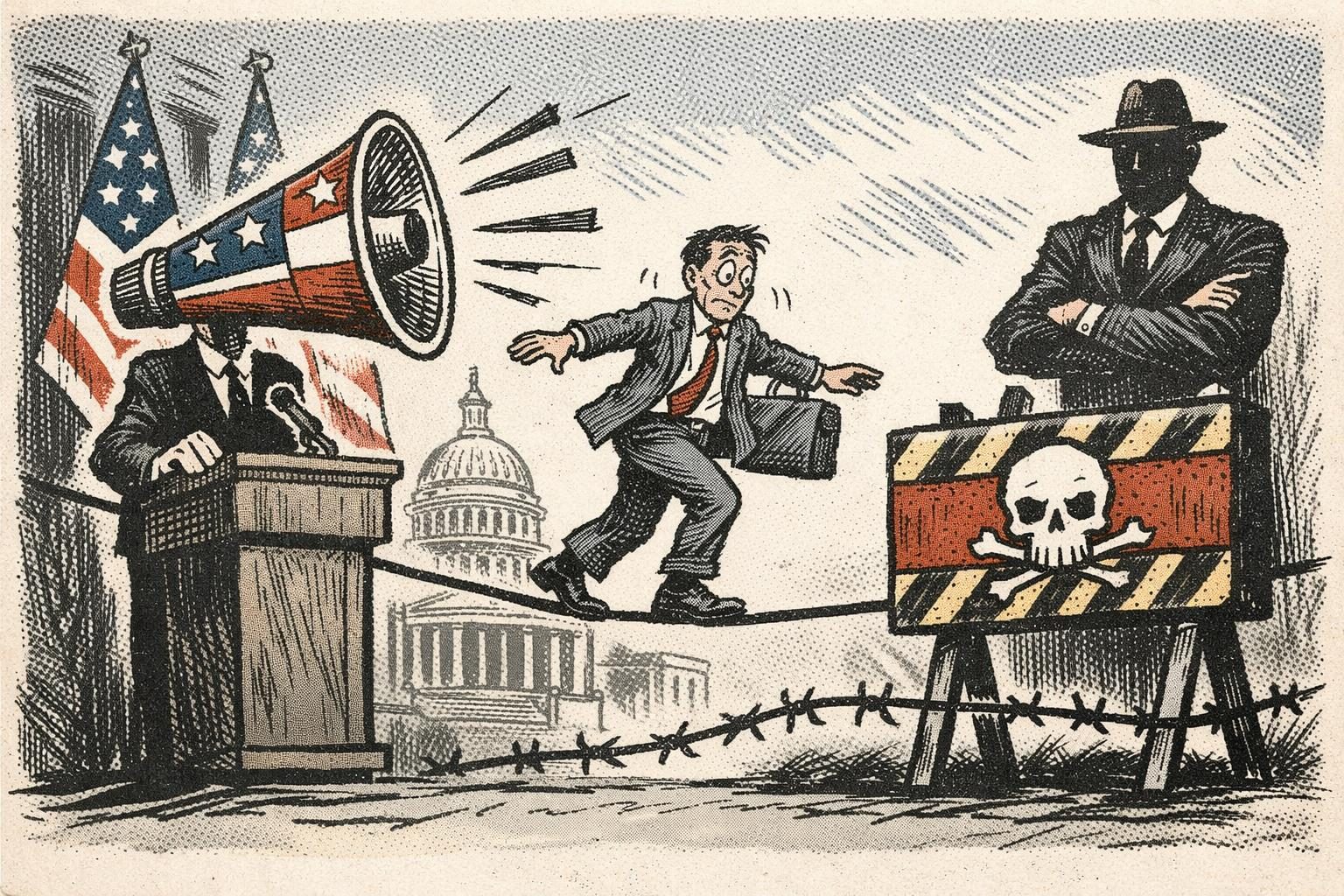
The Office of Special Counsel has now put a legal frame around one of the uglier side effects of the 2025 shutdown: federal communications that appeared to lean on partisan language. In an advisory opinion released on Sept. 25, the office examined whether agency messaging that referred to “Democrats” or “Democrat-led” actors crossed the Hatch Act line. The answer, at least in terms of discipline, was no. Officials concluded that no punitive action was warranted because the employees involved reasonably relied on a prior advisory. That finding ends the enforcement question for now, but it does not make the underlying episode look any less awkward for a government that is supposed to speak in a neutral voice.
What makes the advisory notable is not that it blesses the communications in any broad political sense, but that it acknowledges how close the messaging came to the edge of prohibited partisan activity. The Hatch Act is meant to keep federal power from becoming a tool of campaign warfare, and that boundary matters most when tempers are high and institutions are already under strain. During a shutdown, government messages can carry extra weight because people are looking to agencies for basic information, status updates, and practical guidance. If those messages begin sounding like they were written with a partisan audience in mind, the public has good reason to wonder whether official channels are being used as a political instrument. The Office of Special Counsel’s conclusion suggests the legal warning signs were muddy enough to avoid sanctions, but muddy is not the same thing as clean. It is hard to celebrate a process that leaves everyone with the sense that the line was visible only in hindsight.
That ambiguity is part of the larger problem. Partisan agency communications are corrosive not because they are always easy to prosecute, but because they slowly reshape what people expect from the federal government. Once citizens start reading agency emails, alerts, or statements as disguised campaign material, trust erodes in small increments that are difficult to reverse. Even when no one is formally disciplined, the damage lands in the credibility of the institution itself. The advisory effectively says the employees acted under a reasonable interpretation of prior guidance, which may be legally important, but it also highlights how fragile the standards can become when shutdown politics and partisan messaging blend together. A government that has to keep explaining why its own words were technically permissible is already in a bad place. The public does not need legal training to recognize when a message sounds more like a political jab than a neutral explanation of events.
There is also a practical limit to what ethics enforcement can accomplish after the fact. An advisory opinion can clarify the rule for next time, but it cannot scrub the partisan flavor out of what was already sent. That means the most immediate consequences are reputational, not disciplinary, and reputational damage is a real kind of harm even when it leaves no formal paper trail. Agencies involved in the episode avoid punishment, but the broader picture still points to a government communication culture that has become too comfortable walking right up to the edge. For future administrations, the advisory serves as both a shield and a warning: the people involved may be able to point to guidance and avoid sanctions, but the appearance of partisan messaging remains its own problem. If the next shutdown produces similar language, officials will have one more precedent to hide behind and one more reason to pretend the risk is manageable. That is not a sign that the system is working well. It is a sign that the system is learning how to rationalize behavior that should have stayed out of government communications in the first place.
Comments
Threaded replies, voting, and reports are live. New users still go through screening on their first approved comments.
Log in to comment
No comments yet. Be the first reasonably on-topic person here.