
Senate gears up for a vote on Epstein files release after months of pressure
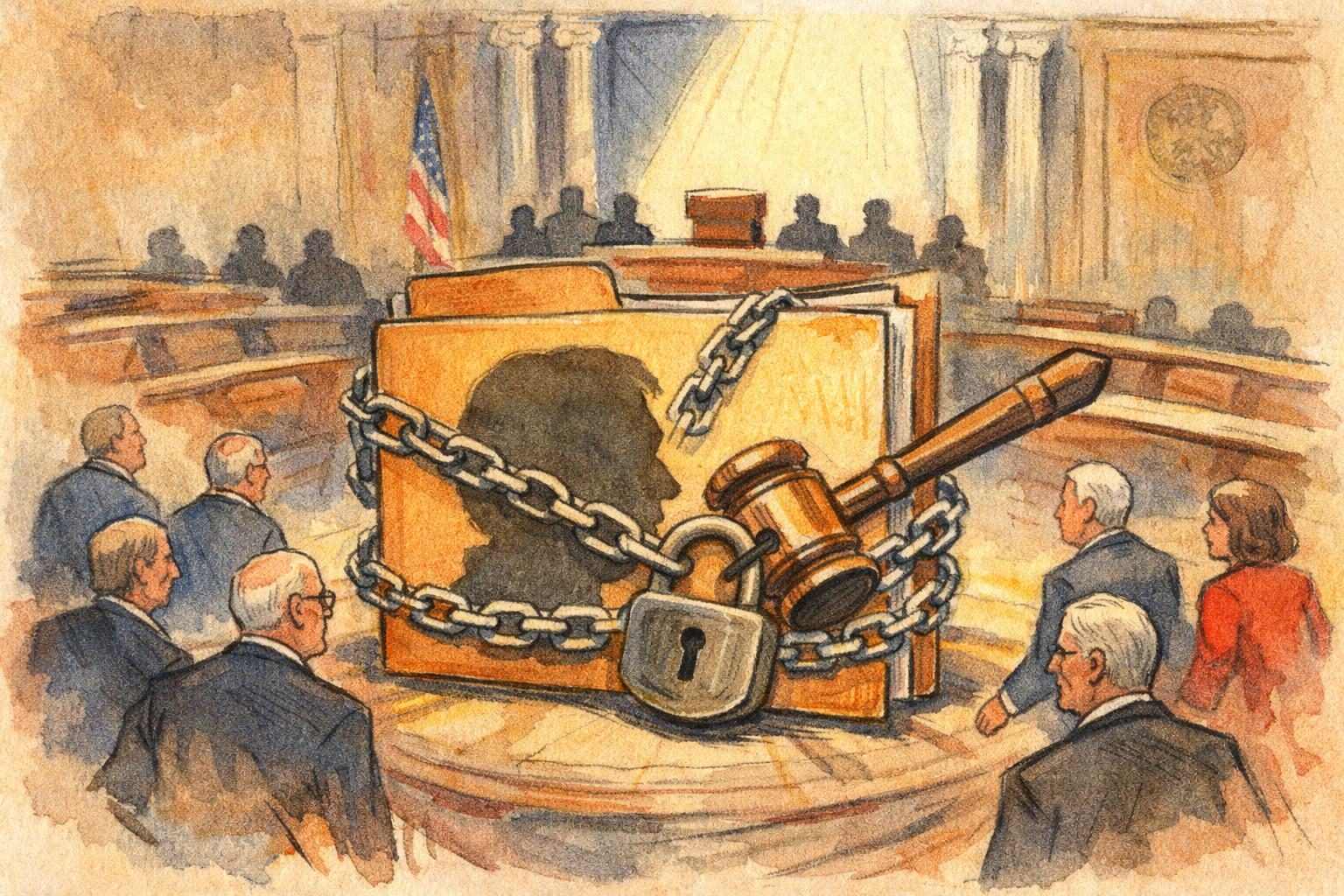
The Senate is heading into Monday, September 28, with a floor schedule that puts a vote tied to the release of Jeffrey Epstein-related material into the chamber’s immediate business. That alone marks a notable shift. For months, the issue has lingered in the background as a pressure campaign item, something members could acknowledge in general terms without having to confront on the floor. Now it is no longer just a demand from critics, advocates, or rank-and-file voters who want more transparency. It has been placed on the live schedule where senators will have to deal with it in a visible, procedural, and political way.
The public floor calendar matters because it is not a vague promise or an offhand comment from leadership. It is the clearest signal that the chamber is preparing to spend real time on the matter. When an item shows up in the next round of floor business, it means the Senate is not treating it as something to be parked indefinitely in committee limbo or brushed aside with the usual language about review and consultation. The schedule does not by itself tell the full story of what the vote will accomplish or how broad the final action could be, but it does confirm that the issue has moved from pressure point to active agenda item. In a Congress that often survives by delaying hard decisions until the news cycle changes, that is a meaningful development.
The political significance is hard to miss. Epstein-related records have been the subject of persistent public scrutiny for years, and lawmakers have had to answer for why so much of the matter remains opaque. A floor vote does not erase those concerns, and it does not resolve the broader arguments about what should be released, under what legal conditions, or on what timeline. But it does force senators to confront the question in a setting where they must take a position rather than simply issue statements. That kind of accountability can be uncomfortable, especially for members who would prefer the subject remain a distant embarrassment instead of an immediate roll call. If the vote proceeds as scheduled, it will test how much appetite there really is in the Senate for answering the demand for disclosure.
The schedule also reflects something else: leadership appears to expect the matter to consume real floor time. That may sound procedural, but in Washington it is often the most revealing clue of all. Floor time is scarce, and what gets placed there tends to reflect what cannot be ignored any longer. Whether the vote is mostly symbolic, substantively consequential, or a step toward broader action, the fact that it has reached this stage suggests the pressure campaign has worked at least in part. The Senate may still leave many questions unresolved, and the outcome may still be uncertain, but the chamber is now forced to engage. For a controversy that has outlasted many attempts to bury it, that is the main story: the issue is finally on the floor, where avoidance becomes harder and the political cost of inaction rises sharply.
Comments
Threaded replies, voting, and reports are live. New users still go through screening on their first approved comments.
Log in to comment
No comments yet. Be the first reasonably on-topic person here.