
Tariff Rules Shift Again for Canadian Imports
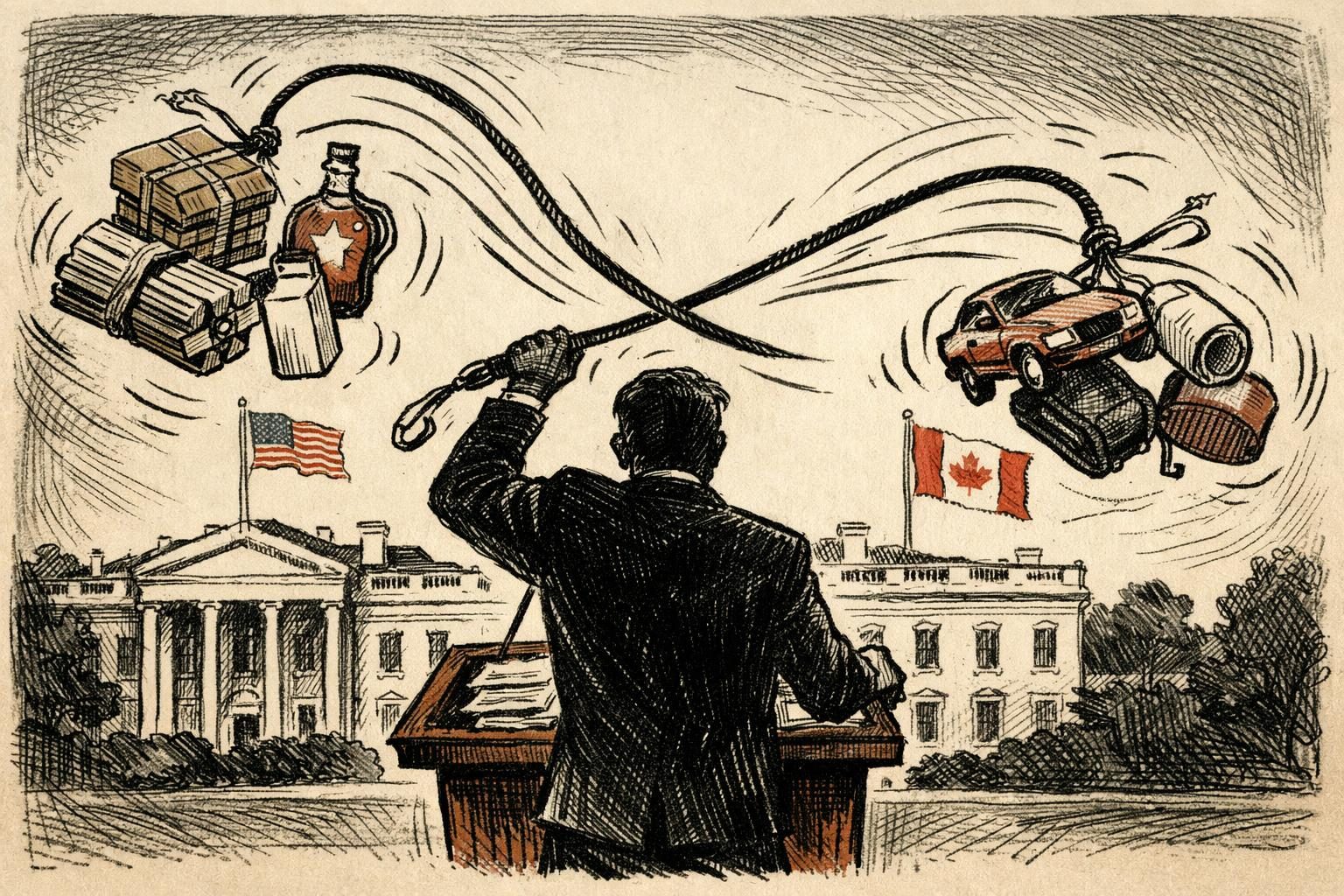
The White House has once again redrawn the tariff map for Canadian imports, extending and reshaping duties through a series of presidential proclamations that leave businesses guessing what will be taxed next. The latest changes continue a pattern of tariff whiplash in which some products are pulled deeper into the penalty box while others are carved out, at least for now. Among the categories affected are dairy-derived products and other Canadian goods already caught up in earlier rounds of trade action. The result is not a single, settled tariff regime but a rolling set of rules that changes by product and by effective date. For importers, that means the compliance burden is not just higher; it is less predictable every time the administration revises the list.
That shifting approach matters because tariffs are not operating here as a one-time statement of trade policy. They are being used as an adjustable political tool, one that can be tightened, loosened, or redirected depending on the administration’s goals at the moment. In practice, that allows the White House to signal toughness, reward certain domestic constituencies, and keep pressure on trading partners without committing to a fully stable framework. But every adjustment also creates new costs for companies trying to plan shipments, set prices, and manage inventory. A manufacturer or distributor that built its budget around one rule set can find itself suddenly facing a different cost structure after the next proclamation lands. That is especially disruptive in sectors where margins are thin and lead times are long, because even modest duty changes can ripple through contracts, sourcing decisions, and delivery schedules.
Supporters of the tariff strategy are likely to argue that flexibility is the point. They would say tariffs remain a necessary lever for protecting domestic producers, pressing for concessions, and responding to perceived unfairness in cross-border trade. The problem is that the current pattern makes it difficult to distinguish strategy from improvisation. When rules keep changing, the public explanation can start to sound less like a plan and more like a sequence of reactions to the latest political complaint or industry demand. Critics see that as evidence of incoherence, while defenders see responsiveness. The tension between those interpretations is exactly what makes the policy so hard to read from the outside. A tariff regime can be described as nimble, but if no one can confidently predict the next move, nimble begins to look a lot like unstable.
The practical fallout is likely to show up first in customs paperwork, import costs, and a fresh round of lobbying from sectors trying to either win exemptions or avoid being added to the list. Canadian firms are left trying to sort out which goods face higher charges, which products have been spared, and how long any exception might last before the next revision. American businesses that rely on cross-border supply chains are pulled into the same uncertainty, even when they are not the direct target of the duties. Consumers often do not see the tariff mechanics in a visible line item, but they can still end up paying for them through higher prices, slower sourcing, or narrower choices on store shelves. If the administration’s goal is leverage, the cost of that leverage is being spread across the system, one revision at a time. For now, the only stable feature of the policy is that it keeps changing, and that leaves importers, buyers, and suppliers to plan around a moving target with no clear end point.
Comments
Threaded replies, voting, and reports are live. New users still go through screening on their first approved comments.
Log in to comment
No comments yet. Be the first reasonably on-topic person here.