
Taxpayer-funded pro-Trump ads keep drawing heat
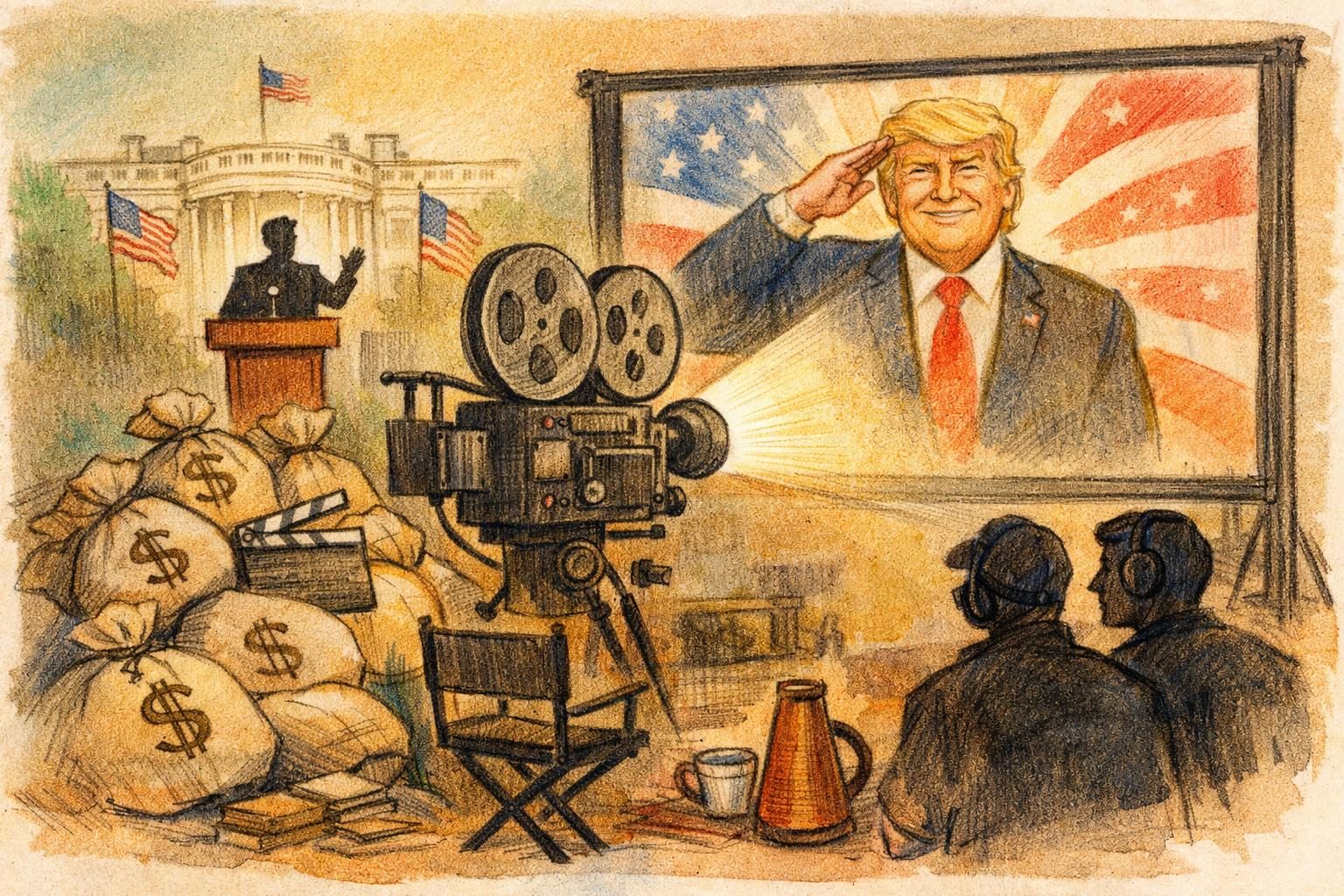
The White House spent Monday trying to explain why it is using taxpayer money to air ads that openly flatter President Donald Trump, and the effort only seemed to deepen the suspicion that these spots are less about public information than political image-making. Administration officials say the ads are routine government messaging, the kind of material presidents of both parties have used to promote policy, highlight accomplishments, or steer the public toward official programs. But the latest round of criticism is not really about whether the executive branch can communicate with the public. It is about whether the government has crossed a line by producing praise-heavy content that looks and feels remarkably close to a campaign ad, complete with the same visual language and emotional cues used to sell a candidate rather than a policy. The spending on the ads has already climbed to at least $1.5 million, and one of the newest spots closely resembles a Trump campaign commercial from 2024, which only makes the whole enterprise harder to defend. When the message is this personal and the imagery this polished, the distinction between public-service communication and political promotion gets awfully hard to see.
That blur is exactly what has legal experts sounding the alarm. Federal law restricts the use of appropriated funds for publicity or propaganda, and it also places limits on partisan activity by government employees, rules that exist precisely because the public is supposed to be able to trust that official money is being spent for official purposes. The concern is not some abstract constitutional theory cooked up in a seminar room; it is the practical question of whether the government is paying to boost the president’s brand. Experts pointing to those rules say the ads appear to push beyond generic praise for an administration’s agenda and into a zone where the administration itself is the product. The White House has tried to argue that presidents have long used the power of the office to communicate policy or public-health messages, which is true as far as it goes, but that argument does not fully settle the matter when the tone, timing, and imagery all seem designed to reinforce loyalty to one political figure. A public-health announcement or a policy explainer may mention the president. A glossy message that reads like a celebration of the president is something else entirely. That is why the legal challenge here is so awkward for the administration: even if the spots do not clearly violate every line of every statute, they appear to be sailing uncomfortably close to the wind.
The politics of the issue are just as messy as the legal ones. This is not a case in which only the usual partisan enemies are complaining, which would have made it easy for the White House to dismiss the backlash as predictable opposition. Republican critics have joined the criticism, and that matters because it suggests discomfort inside the president’s own ecosystem with the idea of turning public funds into advertising for Trump himself. When members of the president’s own party start wrinkling their noses, the problem is no longer just rhetorical. It becomes a question of judgment and governance. The administration’s defenders may insist that the ads are part of a broader effort to communicate what the government is doing, but that explanation loses force when the material appears to borrow directly from campaign-era aesthetics and when the praise is so one-dimensional that it is hard to imagine any of it surviving a serious political context untouched. A White House can sell a bill, promote a program, or explain a policy. It is much harder to defend spending public money on content that seems built to make the president look heroic. That kind of messaging invites the very corruption charges the administration would presumably prefer to avoid, and it forces even sympathetic observers to ask whether the line between governance and self-promotion has already been crossed.
What makes the matter particularly combustible is that the optics are bad even before the legal questions are fully answered. Government advertising is supposed to inform people about services, deadlines, public health warnings, or policy changes, not to act as a soft-focus tribute to the person in charge. When the production looks like a campaign commercial, the script sounds like a campaign commercial, and the visual cues echo a campaign commercial, the public has every reason to wonder who exactly is being served. The administration’s insistence that the ads are ordinary public-service messages has so far not persuaded many skeptics, in part because the explanation seems to depend on asking people to ignore the obvious. The larger worry is not just that the ads may be improper, but that they reflect a broader governing style in which personal branding and public spending are becoming difficult to separate. That is a bad place for any White House to be, and it is an especially bad place for an administration already under scrutiny for how aggressively it uses the machinery of government to shape the political conversation. For now, the White House is standing by the spots, but the argument around them is not fading. If anything, it is intensifying, and every new defense appears to make the central question louder: when does taxpayer-funded communication stop being government messaging and start looking like state-sponsored campaigning?
Comments
Threaded replies, voting, and reports are live. New users still go through screening on their first approved comments.
Log in to comment
No comments yet. Be the first reasonably on-topic person here.