
Education Department scrubs Biden-era Title IX rewrite and snaps back to 2020 rules
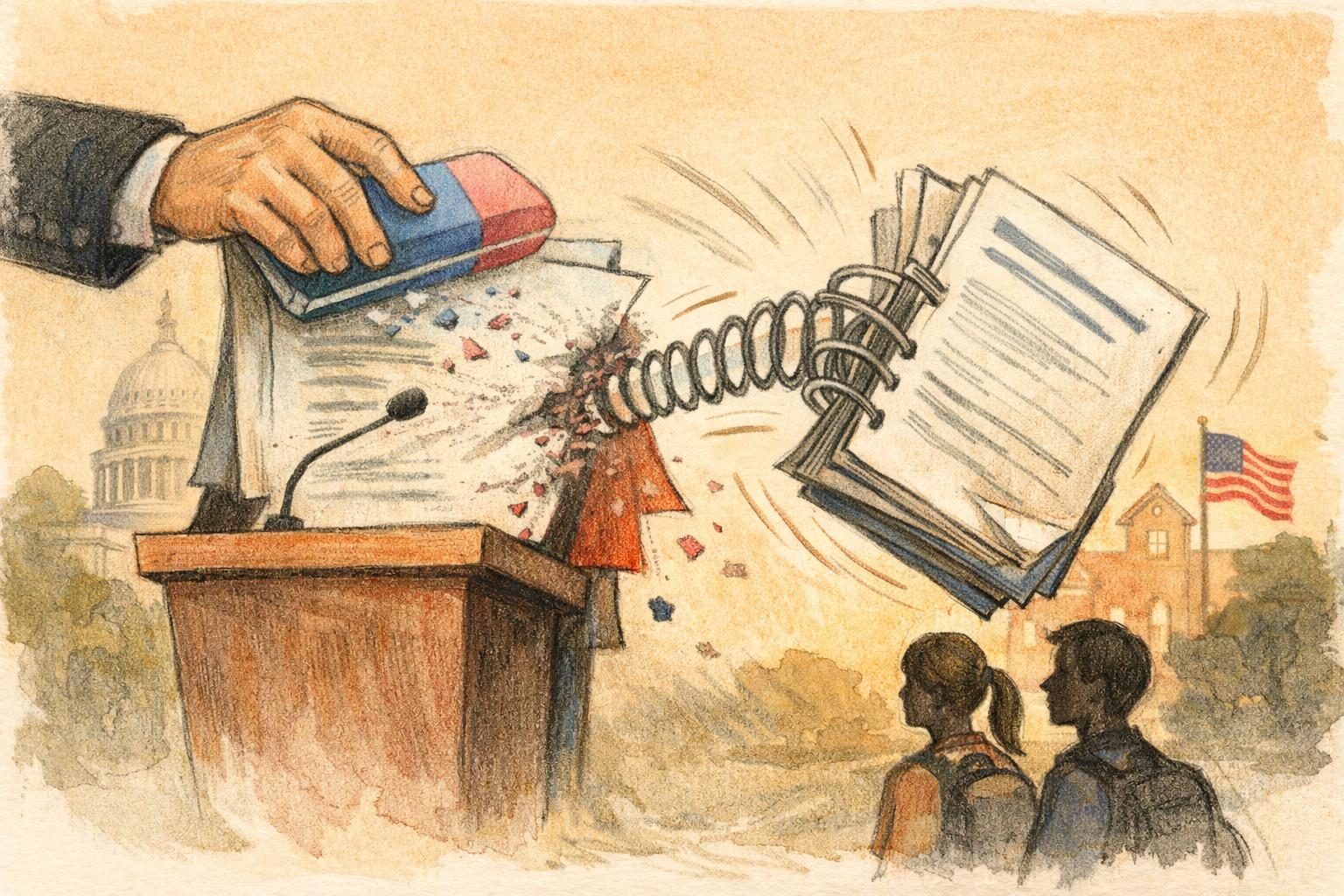
The Education Department on Monday formally scrapped the Biden administration’s Title IX rewrite and put the 2020 regulation back in place, completing one of the clearest reversals yet in the new administration’s campaign to unwind its predecessor’s education agenda. The move is not a small technical correction buried in the Federal Register. It resets the federal government’s baseline rule for how schools are supposed to handle sex-discrimination complaints, what process accused students and employees receive, and how institutions weigh evidence, investigations, and hearings. In practical terms, it means colleges and K-12 districts now have to orient themselves around a different set of expectations than the ones they had been preparing to follow under the Biden-era framework. The department described the earlier rule as cleared away and said it was issuing a final regulation restoring the prior regime. That is a bureaucratic phrase for a much bigger political and legal reset.
Title IX has never been a mere compliance checkbox, and this latest change underscores why. The law sits at the center of school discipline, student rights, and federal oversight of educational institutions, which means even a small revision can ripple through campuses and districts almost immediately. Restoring the 2020 rule changes the way schools are expected to respond to complaints, including the procedures they use to investigate allegations and the due-process protections available to the people accused. Supporters of the switch are likely to describe it as a return to clarity after what they saw as a muddled and overly expansive rewrite. Critics will almost certainly frame it as a deliberate narrowing of protections, one that favors institutions and respondents while making it harder for complainants to obtain relief. Both camps understand that this is not an administrative housekeeping item; it is a sharp turn in the federal government’s interpretation of a civil-rights statute that affects daily life on campuses and in classrooms.
The timing also matters because the administration is moving quickly to undo Biden-era policy in areas that are both politically charged and legally vulnerable. Education has become a prime target in that effort, and Title IX is one of the most sensitive fronts because it intersects with questions of sex equality, school safety, student conduct, and federal enforcement power. The White House and the department have been signaling for months that the new government intends to use executive authority and agency rulemaking to reverse decisions it sees as overreaches or ideological distortions. The result is a policy pendulum that has swung hard in opposite directions over a relatively short period of time, leaving schools to revise handbooks, retrain staff, and try to explain changing standards to students who are already trying to navigate difficult and emotionally charged processes. Even for institutions that welcome a return to the earlier rule, the speed of the switch adds uncertainty and operational burden. For institutions that preferred the Biden rule, the change will feel like the ground moving again under policies they had just begun to absorb.
Litigation is the next obvious stop. Any time the federal government makes a sweeping change to Title IX enforcement, the courts tend to get involved, and there is no reason to expect this round to be different. Opponents of the rollback are likely to argue that the department is misreading the statute, while supporters will insist the earlier rewrite went beyond what the law allows. That creates the familiar pattern of administrative whiplash: a rule is adopted, challenged, defended, rescinded, and challenged again, while schools are left trying to maintain compliance in the middle of the fight. The practical stakes are not abstract. Pending complaints, new investigations, appeals, and campus disciplinary procedures may all be affected by which rule applies and when. Students and administrators alike will be forced to ask basic questions that should have stable answers but increasingly do not, especially in cases that are sensitive, contested, and heavily litigated. The administration may see this as restoring order, but the immediate effect is likely to be a new round of confusion, lawsuits, and political argument over what Title IX should mean and who it is supposed to protect.
Comments
Threaded replies, voting, and reports are live. New users still go through screening on their first approved comments.
Log in to comment
No comments yet. Be the first reasonably on-topic person here.