
Civil rights commission approves campus antisemitism report
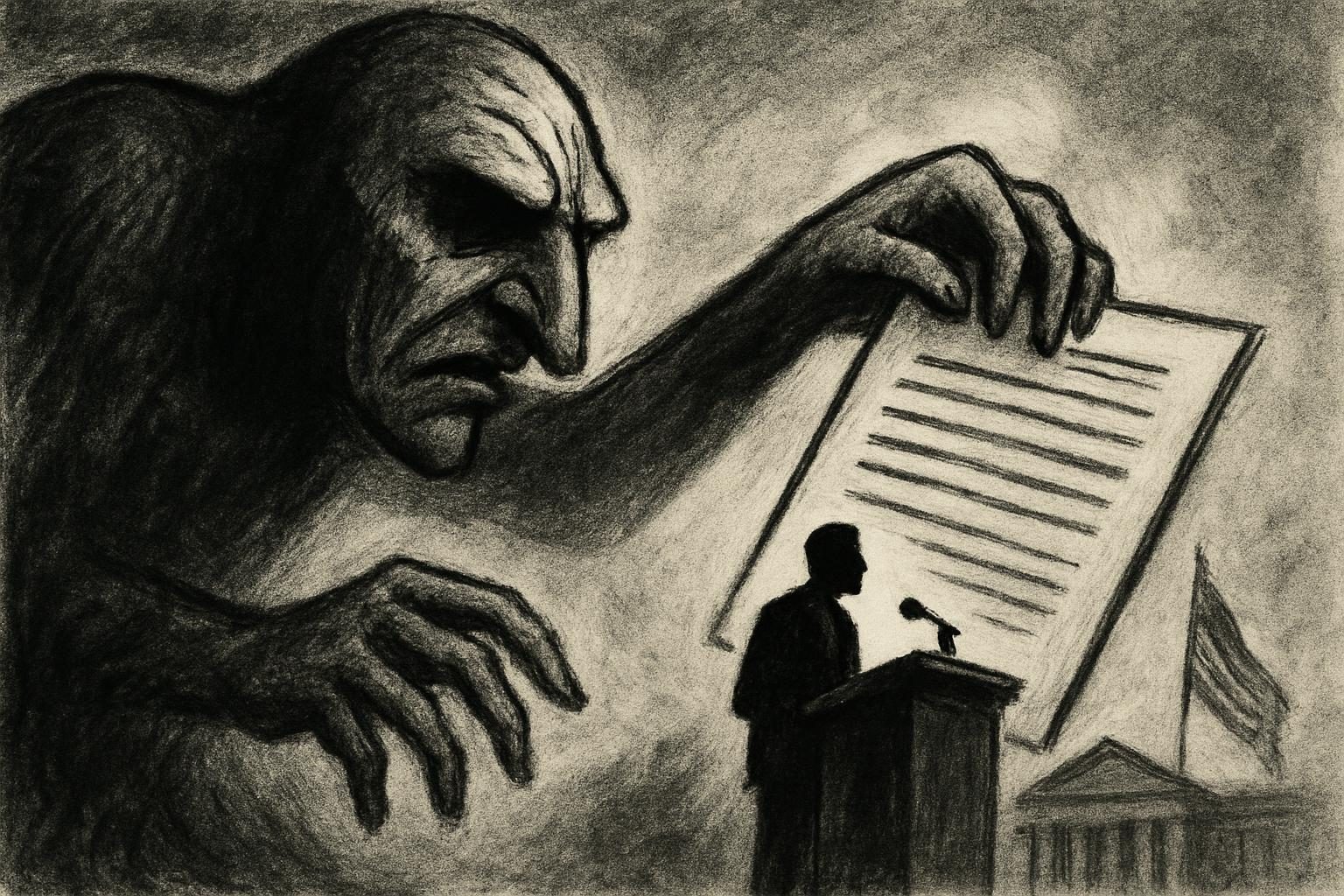
The U.S. Commission on Civil Rights said on September 28 that it approved a report on antisemitism on American college and university campuses, a step that turns a long-running political argument into a formal federal record. That may sound like bureaucratic housekeeping, but in the current campus climate it is anything but minor. The commission’s approval gives the issue a public institutional shape at a moment when universities are being pushed from several directions at once: by students demanding action, by activists warning against overreach, by lawmakers seeking tougher enforcement, and by administrators who are often trying to keep the peace while avoiding legal exposure. A report like this does not end the fight, but it changes the terrain on which the fight happens. It signals that federal civil-rights officials believe the problem is serious enough to merit a detailed account rather than a passing statement.
The timing matters because campus protest politics have become intertwined with discrimination claims in ways that are difficult to separate cleanly. Universities are under pressure to respond to harassment, threats, and incidents that students say make Jewish life on campus feel unsafe, while also protecting speech that may be offensive, controversial, or deeply upsetting without crossing a legal line. That is a hard balance in ordinary times and an almost impossible one in a period when every major campus conflict gets read through the lens of national politics. A federal report on antisemitism can be used to highlight real concerns about bias and intimidation, but it can also be pulled into broader efforts to police student activism more aggressively. The commission’s action will almost certainly be cited by people who believe universities have been too hesitant to punish misconduct. It will also be cited by critics who worry that institutions are being pushed to treat protest, dissent, and protected political expression as interchangeable with discrimination.
There is also a procedural meaning to the commission’s move that should not be overlooked. Civil-rights bodies generally do not approve formal reports on high-profile issues without signaling internally that the matter has become significant enough to document in an official way. That does not mean every allegation on a campus is validated, and it does not mean the report settles the thorny question of where speech ends and harassment begins. It does mean the federal civil-rights apparatus is treating antisemitism on campus as more than a short-lived controversy attached to a particular news cycle. In practical terms, that can matter a great deal. Once a federal body puts its name on a report, universities, advocacy groups, lawmakers, and students all know the issue has moved from the realm of campus grievance into the realm of policy and enforcement. Even without any immediate penalty attached, the publication of a report can shape investigations, administrative priorities, and the language institutions use when they describe their own obligations.
The larger consequence is likely to be more pressure on universities and more argument over what counts as discrimination versus protected political speech. That tension has been baked into campus debates for years, but it has become sharper as national politics increasingly rewards confrontation over compromise. Any serious report on antisemitism is likely to be read through that lens, with one side treating it as evidence that institutions have been too permissive and the other side warning that a genuine civil-rights concern could be turned into a tool for selective enforcement. The commission’s approval does not resolve that conflict, and it probably cannot. What it does is give the federal government another official foothold in a debate that has already spread far beyond the classroom. In that sense, the report is not dramatic in the theatrical sense, but it is consequential in the institutional one. It marks another moment when a civil-rights question has become a proxy war over campus governance, political expression, and the basic meaning of safety in public higher education.
Comments
Threaded replies, voting, and reports are live. New users still go through screening on their first approved comments.
Log in to comment
No comments yet. Be the first reasonably on-topic person here.