
FTC advances separate rule updates on practice changes and impersonation scams
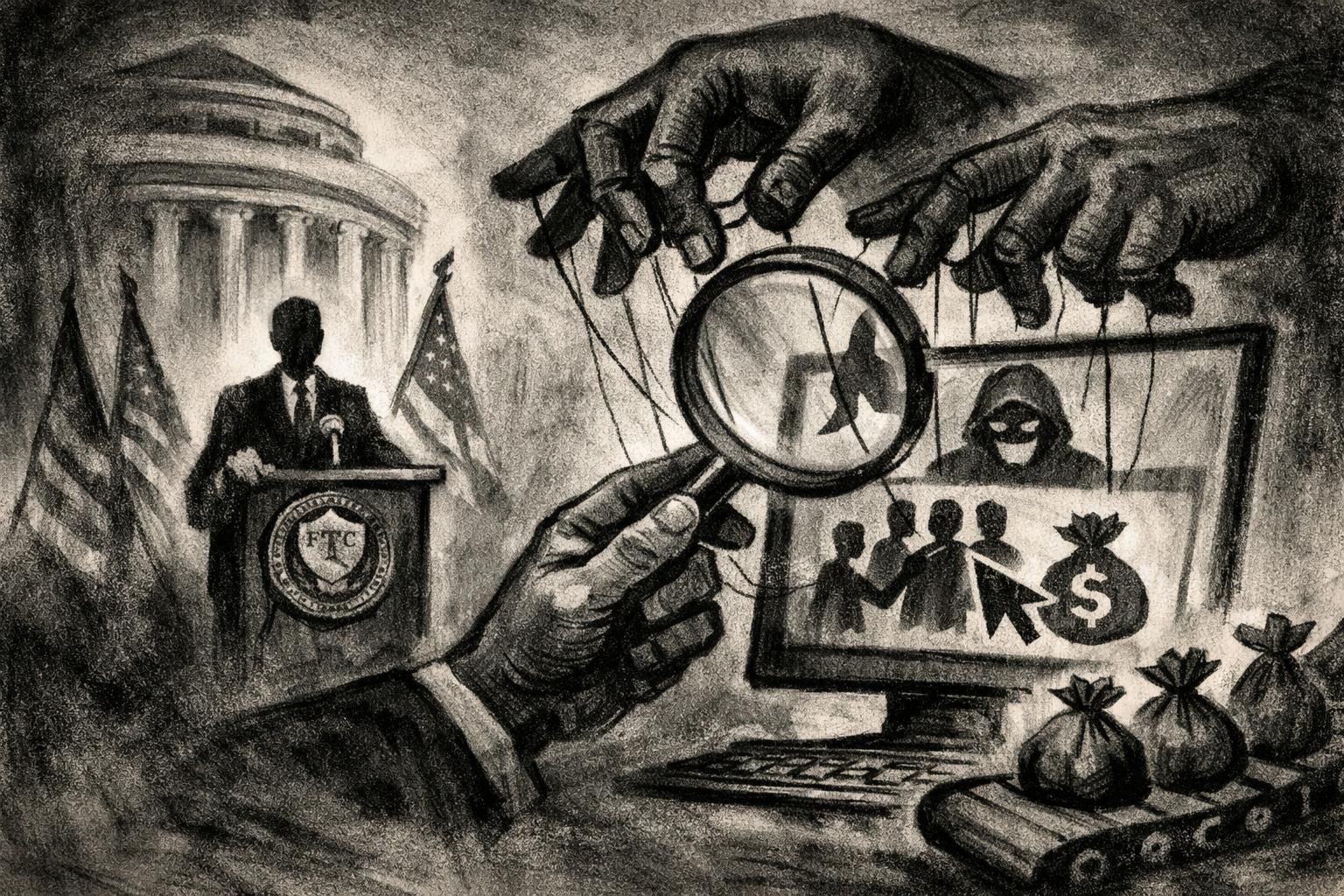
The Federal Trade Commission made two separate moves in October that touch different parts of its rulebook. On Oct. 13, the agency approved publication of Federal Register notices revising its Rules of Practice, a housekeeping change the FTC said was meant to better align the rules with the FTC Act and reflect internal organizational changes, including the creation of the American Competition Enforcement Division. The commission said the amendments also correct minor errors and omissions in the existing rules. ([ftc.gov](https://www.ftc.gov/news-events/news/press-releases/2026/09/ftc-approves-publication-federal-register-notices-revising-commissions-rules-practice?utm_source=openai))
That action is distinct from the agency’s earlier work on impersonation scams. On Sept. 30, the FTC said it was seeking public comment on whether to update its Rule on Impersonation of Government and Businesses or take other action to address platforms’ role in promoting impersonation scams. The agency’s notice focuses on ad-optimization tools and services offered by search engines, social media platforms and other digital marketplaces, and on whether those systems can further scams that use fake government or business identities to reach consumers. ([search.ftc.gov](https://search.ftc.gov/news-events/news/press-releases/2026/09/ftc-seeks-public-comment-whether-update-rule-impersonation-government-businesses-address-platforms?utm_source=openai))
The proposed rulemaking is narrower than a broad reset of fraud policy. The FTC is asking for comments on whether the current rule should be amended, replaced with a separate rule, or supplemented by some non-regulatory measure. It also asks what kinds of complaints or signals should trigger a platform’s duty to investigate a suspected impersonation ad. The Federal Register notice was published on Oct. 1. ([ftc.gov](https://www.ftc.gov/policy/public-comments/rule-impersonation-government-businesses?utm_source=openai))
The practical issue is simple: a scam no longer has to rely on a lone fake profile to get traction. The FTC’s notice says the concern is not just impersonation itself, but the platform systems that can help it spread through paid placements and automated promotion. That puts the agency on a more specific question than the one implied by older consumer-fraud warnings: whether platform design choices can make impersonation scams easier to scale, and whether the rule should reflect that reality. ([search.ftc.gov](https://search.ftc.gov/news-events/news/press-releases/2026/09/ftc-seeks-public-comment-whether-update-rule-impersonation-government-businesses-address-platforms?utm_source=openai))
So the story is not that the FTC confessed its old rules had failed. It is that the agency is running two separate cleanup efforts at once: one internal, one aimed at a scam channel that now runs through modern ad systems. Those are different actions, on different dates, with different legal targets. The overlap is political, but the records are not. ([ftc.gov](https://www.ftc.gov/news-events/news/press-releases/2026/09/ftc-approves-publication-federal-register-notices-revising-commissions-rules-practice?utm_source=openai))
Comments
Threaded replies, voting, and reports are live. New users still go through screening on their first approved comments.
Log in to comment
No comments yet. Be the first reasonably on-topic person here.