
DOJ escalates its fight with Minnesota judges by filing a misconduct complaint
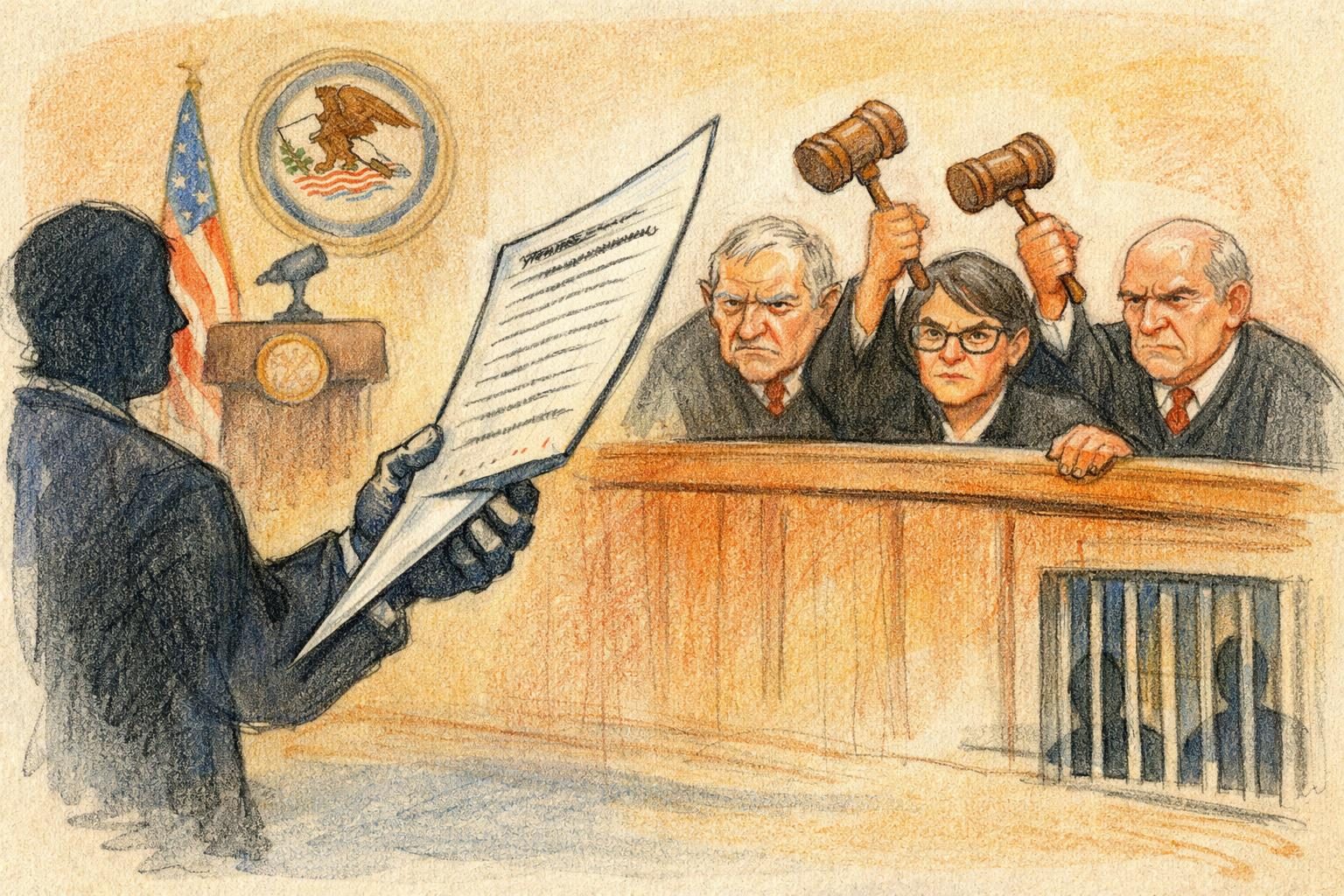
The Justice Department has opened a new front in its fight with the federal judiciary in Minnesota, filing a judicial-misconduct complaint that accuses several judges of crossing ethical lines with public comments about immigration enforcement and the strain it has placed on their courthouse. The filing is notable not only because it targets judges, but because it asks the judiciary to police itself while the underlying dispute is still unfolding in a politically charged environment. According to the department’s account, the judges improperly discussed the effects of a recent enforcement surge and used their official roles in a way that amounted to public commentary on a live political fight. That is the government’s framing, at least. To critics, the move looks less like a clean ethics case and more like a warning shot aimed at judges who have become too willing to describe what they are seeing on the ground.
The complaint lands in a context where immigration enforcement has already pushed courthouse tensions higher in a number of places, and the Minnesota dispute appears to have become the latest test of how much public explanation judges can offer before the executive branch objects. Judicial misconduct complaints are serious instruments, not routine filing fodder, and using one in this setting guarantees that the dispute will be read through both legal and political lenses. The Justice Department says it is defending public trust and the proper boundaries of judicial conduct. But that argument competes with an obvious alternative reading: that the administration is escalating against judges who have not simply ruled against it, but have also spoken openly about the practical consequences of the government’s enforcement tactics. In an atmosphere already thick with suspicion, those competing explanations are likely to harden rather than fade.
That is part of what makes this filing so consequential. The complaint is not just about a few remarks or a single courthouse episode; it raises the broader question of how far the executive branch can go when it believes judges have stopped being neutral referees and started sounding like institutional critics. Federal judges do not operate in a vacuum, and they often discuss the burdens on their courts in speeches, panel appearances, and professional settings. But when those remarks intersect with one of the administration’s most politically sensitive priorities, even ordinary comments can be recast as misconduct. The Justice Department says these Minnesota judges made improper and unethical public statements. The other side is likely to argue that judges should not be punished for acknowledging what enforcement pressure looks like from the bench. The result is a dispute over ethics rules, but also over whether candor itself has become disfavored when it cuts against the government’s preferred narrative.
The broader significance reaches well beyond Minnesota. Immigration enforcement has become one of the main arenas in which courts and the executive branch are colliding, and every new confrontation adds pressure to an already strained relationship between branches. By filing a misconduct complaint, the Justice Department is not just contesting a set of comments; it is signaling that it is willing to challenge the judges overseeing, describing, or otherwise reacting to the fallout from its policies. That will almost certainly be read by many judges as a warning that public criticism can carry professional consequences, even when the criticism comes in the form of commentary about institutional strain rather than legal argument. Whether the complaint ultimately succeeds or not, the message is unmistakable: the administration is prepared to bring the fight from the courtroom into the disciplinary process itself. And in a moment when trust in institutions is already brittle, that is the kind of escalation that can make every future clash look less like an isolated dispute and more like a deliberate campaign to tighten the screws on the courts.
Comments
Threaded replies, voting, and reports are live. New users still go through screening on their first approved comments.
Log in to comment
No comments yet. Be the first reasonably on-topic person here.