
Judge orders taxpayer-funded Trump ads pulled off the air
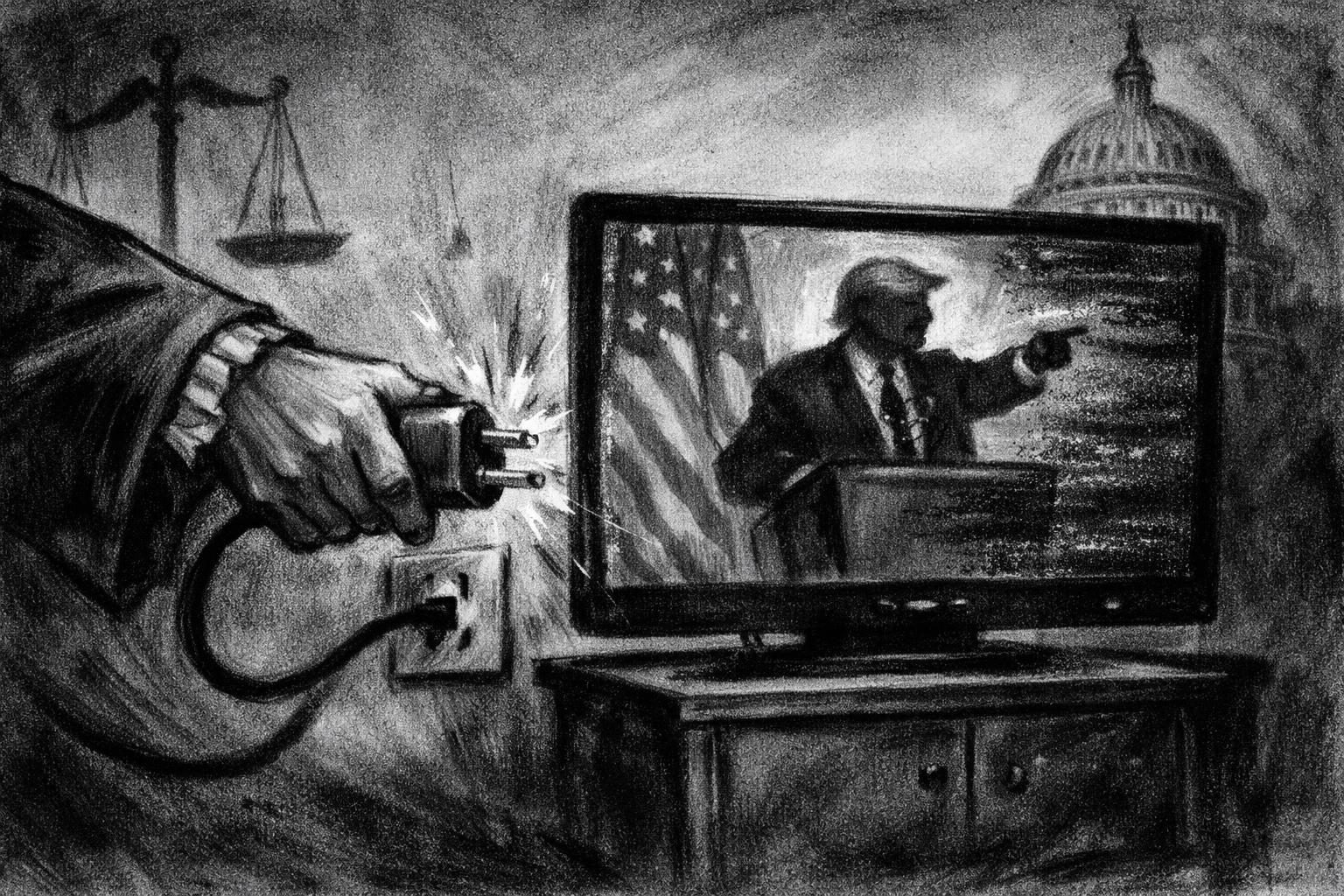
A federal judge has ordered the Trump administration to pull the plug on remaining television ads paid for with taxpayer money after concluding the campaign should not keep airing. The ruling lands as a pointed rebuke to a White House effort that had already drawn multiple legal challenges and growing criticism over whether public funds were being used to advance a political message. By the time the order came down, administration officials were already describing the campaign as winding down, but that did not make the court’s intervention any less damaging. If anything, the timing made the episode look even worse: a taxpayer-financed political push caught in the open just as it was trying to fade from view. The ads were running ahead of the 2026 midterms, which only sharpened the perception that the effort was less about neutral public information and more about shaping the political terrain. In a town where motives are often disguised in bureaucracy, this one was wearing a campaign button.
The core issue in the case goes beyond a single batch of commercials and reaches into a broader argument about what government spending is for. At stake is whether an administration can use public money to buy airtime that promotes its political message while still insisting it is simply communicating with the public. Critics said the answer should be obvious from the start: taxpayer dollars are not supposed to function as a delivery system for partisan persuasion. The court’s order gave that view real legal weight, and it also strengthened the challenge from watchdog groups and other opponents who argued that the ads were not harmless outreach but a misuse of the public purse. That distinction matters because it determines where the line sits between official communications and political advocacy. If the line disappears, every future administration gets a bigger megaphone and the public gets the bill. The judge’s ruling suggests that, at least in this case, the line was not merely blurred but treated as disposable.
The administration’s defenders have leaned heavily on the fact that the ad effort was already being scaled back, as if a retreat announced after the fact could somehow neutralize the underlying problem. But that defense is awkward at best, because the question before the court was not whether the campaign was slowing down; it was whether it should have been allowed to run in the first place. The judge did not seem interested in letting the matter be recast as a harmless communications tweak or a temporary misfire. To critics, the ads looked like taxpayer-funded political propaganda, a phrase that is blunt because the underlying conduct looked blunt too. The government’s position, by contrast, seems to rest on the idea that the content and the timing were acceptable so long as the operation was presented as official messaging. That argument may satisfy loyalists, but it leaves a bigger problem untouched: if the state can finance persuasion for one party’s benefit, then the taxpayer has been turned into an involuntary campaign donor. The court’s order does more than halt a set of commercials. It signals that dressing up partisan messaging as public information will not automatically spare it from judicial scrutiny.
Politically, the ruling gives opponents a fresh example of an administration pushing too far and getting checked in public. Legally, it is another hurdle in a still-moving set of challenges that could keep producing uncomfortable disclosures about how the advertising campaign was conceived and approved. The order also places a spotlight on a familiar Washington dynamic: officials talk about restraint while spending money in ways that invite accusations of self-dealing, and then act surprised when those accusations become the story. That is especially combustible in an election year atmosphere where every piece of government messaging is parsed for hidden intent and every use of public money is vulnerable to suspicion. The White House may have preferred to describe the ads as ending on their own terms, but the court made sure they ended under orders instead. And that is an important distinction, because one version suggests routine administrative cleanup while the other suggests a judge had to step in and say enough. For a political operation already under scrutiny, that is not a technicality. It is the sort of ruling that hands critics a clear, memorable example of overreach and leaves the administration defending not just the message, but the decision to spend public money trying to sell it.
Comments
Threaded replies, voting, and reports are live. New users still go through screening on their first approved comments.
Log in to comment
No comments yet. Be the first reasonably on-topic person here.