
Treasury slaps Bank of America with a billion-dollar lesson in basic compliance
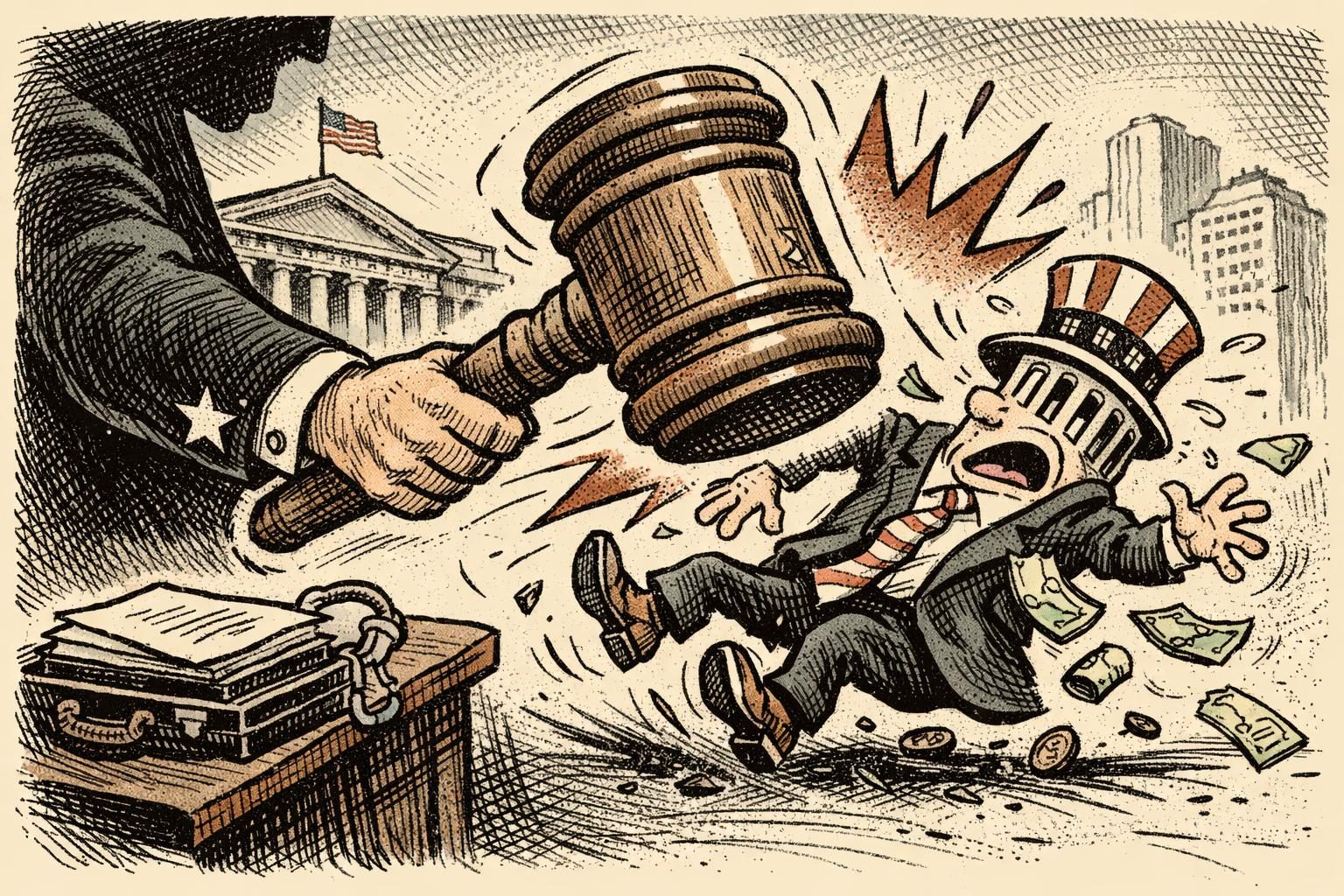
The Treasury Department delivered a bruising reminder on October 13 that compliance lapses at a major bank are not just an internal-management problem, but a national-security issue with a price tag attached. It imposed more than $1.21 billion in penalties on Bank of America after concluding the lender failed to adequately police anti-money-laundering and sanctions risks. The enforcement package includes a $1.2 billion penalty from the Financial Crimes Enforcement Network and a $750 million civil money penalty from the Office of the Comptroller of the Currency, putting the combined hit among the largest of its kind in Treasury history. Treasury said the violations were serious enough to touch areas the government has treated as high-priority threats, including Chinese money-laundering networks and illicit finance linked to the southwest border. In plain language, regulators are saying the bank’s controls were not just imperfect, but weak enough to let dangerous money move through the system without the kind of scrutiny the law requires.
That scale matters because it signals a regulatory posture that is still willing to make examples of the biggest institutions when they fall short. Bank of America is the second-largest bank in the country, which means this was never going to read as a small technical correction or a one-off paperwork dispute. When a bank that size is found to have missed red flags in areas tied to money laundering and sanctions, the government is effectively warning the entire industry that scale will not excuse sloppy controls. Treasury’s language about systemic risk also matters, because it frames compliance failures not as an isolated corporate embarrassment but as a possible gateway for bad actors to exploit the financial system. That is a sharp message to an industry that often argues its risks are too sprawling and complex to be reduced to simple oversight failures. Regulators, at least in this case, were not buying the complexity defense.
The sanctions side of the case gives the enforcement action a broader geopolitical edge. Anti-money-laundering rules are already designed to keep dirty money from moving through banks, but sanctions enforcement adds another layer because it can implicate foreign-policy objectives and efforts to block illicit actors abroad. Treasury’s references to Chinese laundering networks and border-related illicit finance suggest the bank’s shortcomings were viewed through a lens far wider than ordinary compliance housekeeping. That makes the case especially relevant at a moment when finance, customs enforcement, border policy, and national security are increasingly overlapping in Washington’s view. It also helps explain why the department treated the matter as more than a routine violation. The message appears to be that a failure to know who is using the bank, where the money is coming from, and whether sanctions rules are being honored can become a direct national-interest problem. In that context, the penalties are meant not only to punish Bank of America, but to push every other large institution to look harder at its own blind spots.
The political reaction is likely to fall along familiar lines, even if the facts are unusually stark. Critics of aggressive regulation may argue that a trillion-dollar banking penalty proves Washington prefers punishment over practicality, especially when the underlying systems are complex and expensive to monitor. Supporters of tighter oversight will point to the size of the penalty as evidence that the government finally imposed a cost serious enough to matter to a giant financial firm. What is harder to argue away is the basic premise behind the action: banks with enormous reach are expected to have controls strong enough to catch suspicious activity before it becomes a conduit for criminal money or sanctions evasion. If those controls fail, regulators are clearly prepared to respond with more than a warning letter and a stern conference call. For Bank of America, the immediate result is a costly public rebuke. For the rest of the industry, the lesson is less subtle than ever: compliance is not decorative, the government is still watching, and the bill for getting it wrong can be enormous.
Comments
Threaded replies, voting, and reports are live. New users still go through screening on their first approved comments.
Log in to comment
No comments yet. Be the first reasonably on-topic person here.