
Bank of America gets hit with a giant AML penalty
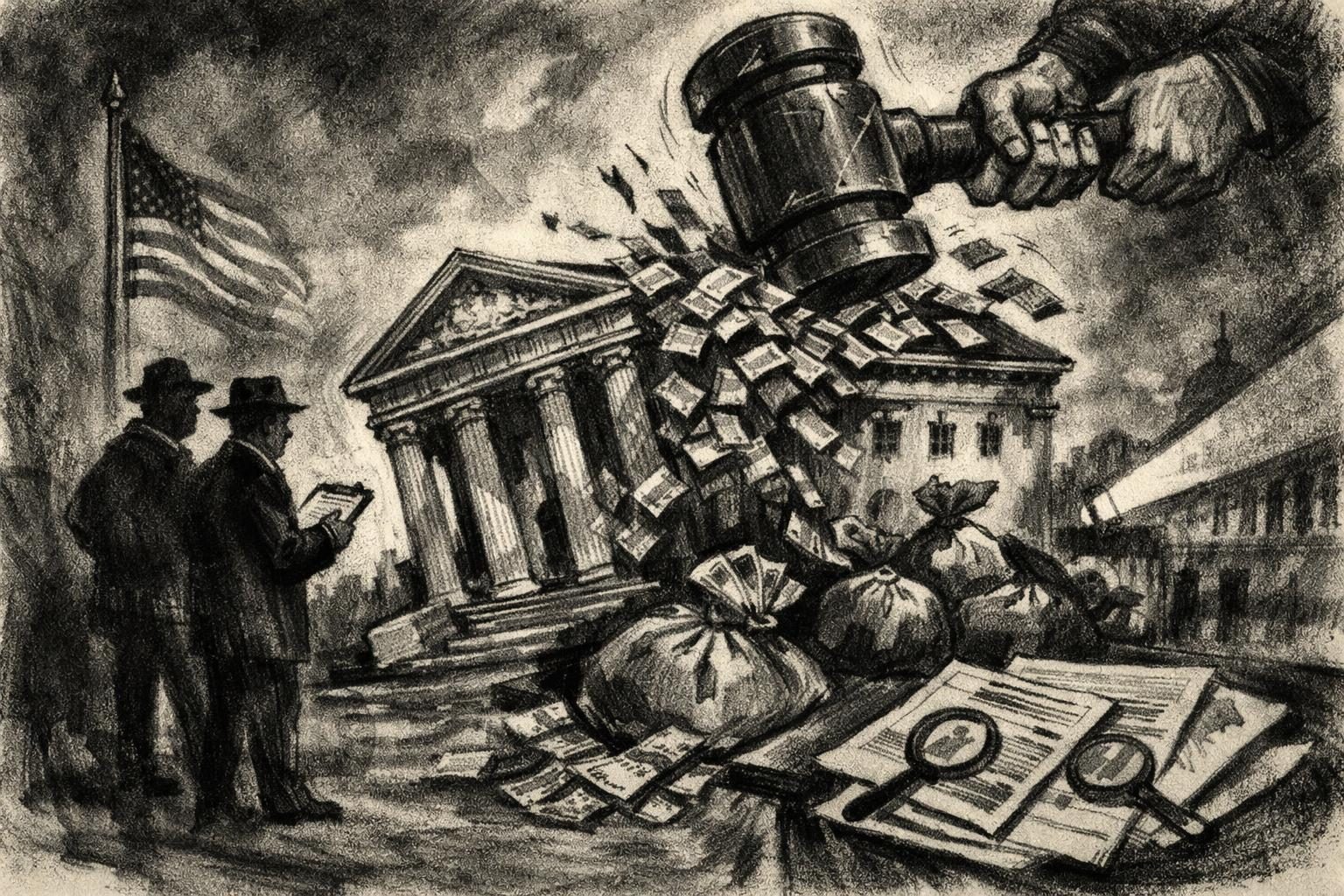
Federal regulators spent October 13 making a very specific point to Bank of America: anti-money-laundering controls are not an optional line item, and they are not supposed to fail at this scale. The Office of the Comptroller of the Currency announced a $750 million assessment tied to the bank’s AML deficiencies, while the Financial Crimes Enforcement Network said it was levying a $1.2 billion fine and requiring corrective action. Put together, the enforcement package is enormous even by the standards of large-bank penalties, and the message could not be much clearer. Regulators are not describing a minor paperwork lapse or a few missed alerts. They are saying a sprawling financial institution fell short on a core compliance function that is supposed to help keep the banking system from becoming a freeway for dirty money.
That matters because AML controls sit at the center of some of the ugliest risks in modern finance. Weak monitoring systems can allow the proceeds of fraud, sanctions evasion, organized crime, corruption, and other illicit activity to move through accounts with too little scrutiny. When those systems do not work, the problem is not abstract. It can mean suspicious transfers are not flagged, patterns are not escalated, and reports that should have gone out never leave the building. Regulators have been warning large banks for years that these controls are not just back-office overhead to be tolerated when convenient and ignored when expensive. If a major institution ends up facing a penalty this size, the obvious inference is that the government believes the breakdown was significant, longstanding, or both. The exact internal failures will matter, but the broader point is already plain enough: the authorities think this was more than an isolated miss.
The enforcement action also invites a harder question about governance and accountability. When regulators move this aggressively, they are not only criticizing systems and software, but also the people who were responsible for making sure those systems worked. That means board oversight, senior management attention, staffing, training, risk scoring, alert review, and reporting quality are all likely to come under sharper scrutiny. In plain English, regulators appear to be saying that whatever was in place was not enough to catch suspicious activity at the scale they expected from a bank this size. That is embarrassing in the best case and costly in the worst. It also creates a familiar tension for investors and customers: a bank can be large enough to absorb a penalty in the financial sense while still taking a meaningful hit to its credibility. The money is visible immediately, but the trust problem can linger far longer.
What comes next is usually less dramatic than the fine itself, though no less important. Expect remediation plans, compliance upgrades, independent reviews, and a steady stream of statements about strengthening controls and improving oversight. Those promises are part of the ritual after major enforcement actions, but the real test is whether the bank can show regulators it has fixed the underlying weaknesses rather than just rearranged the paperwork around them. The broader political meaning is hard to miss. Enforcement remains one of the few tools the government has that can still speak in numbers loud enough to command attention from the biggest banks in the country. When those numbers reach into the billions, the signal is that the compliance culture at the top of the financial system is still under pressure, and regulators are no longer treating long-running AML failures as the price of doing business. For Bank of America, this is not just an expensive bad day. It is a public reminder that in financial crime control, the bill eventually comes due, and when it does, it tends to arrive with a very large attached penalty.
Comments
Threaded replies, voting, and reports are live. New users still go through screening on their first approved comments.
Log in to comment
No comments yet. Be the first reasonably on-topic person here.