
Judge keeps the White House from booting more reporters, for now
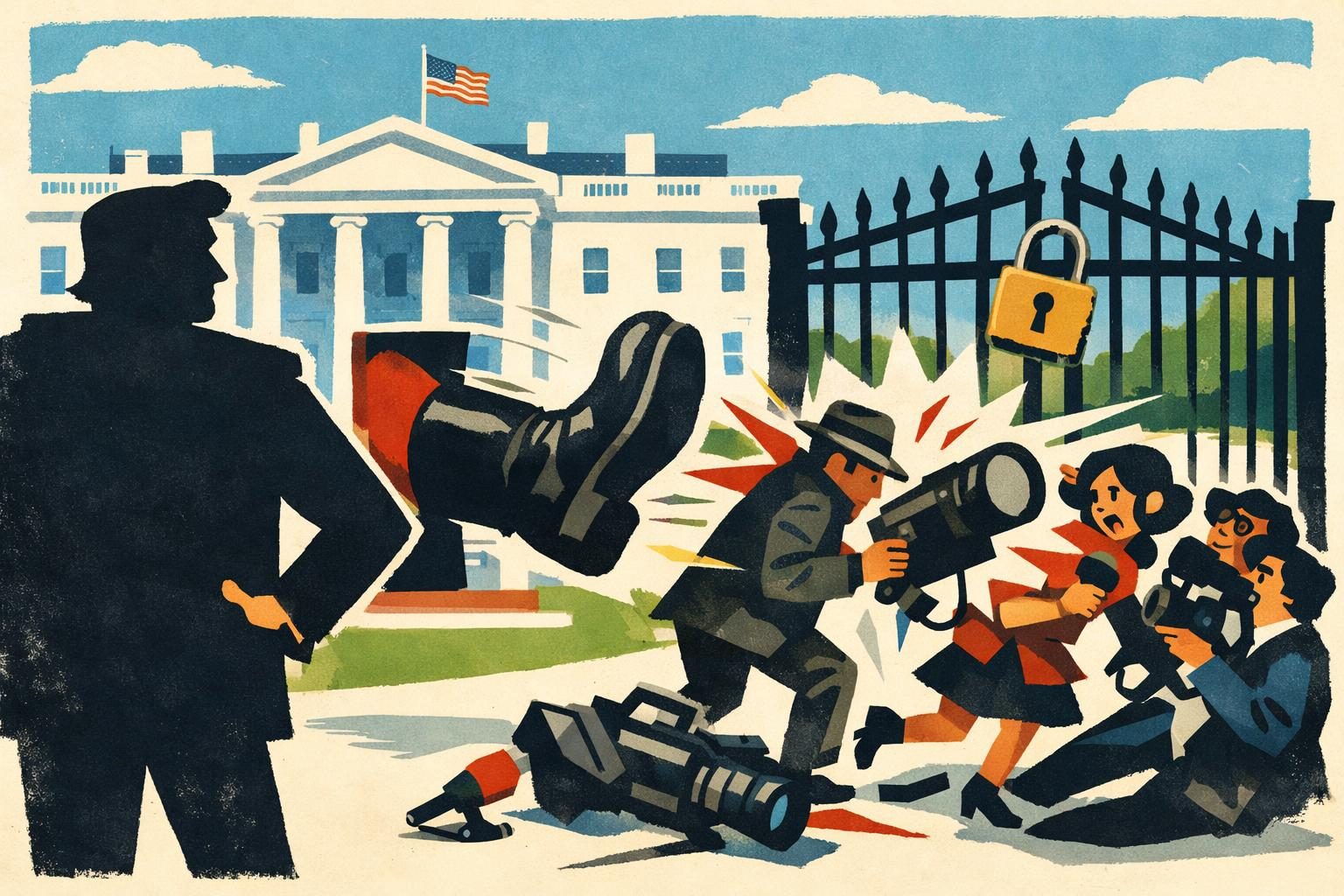
A federal judge has once again stopped the White House from shutting out reporters from CNN, MS NOW, and Politico, extending a block on the administration’s effort to keep those outlets off White House grounds. For now, the ruling leaves the White House unable to turn a dispute over coverage into a hard access penalty. The case has become a sharp test of how far a president can go in responding to media criticism by restricting entry to the building and the events that surround it. The judge’s decision suggests the answer, at least for now, is not very far at all. The administration can object to coverage all it wants, but it cannot simply decide that certain reporters are unwelcome because their reporting was irritating or unfavorable. In practical terms, that means the White House has been ordered to keep open the basic channels of access while the legal fight continues.
The ruling grew out of the outlets’ challenge to the restrictions, which they argued amounted to retaliation and a violation of constitutional protections. According to the judge’s order, the news organizations are likely to succeed on their claims, and the government has not offered a strong enough explanation to make the exclusions stick at this stage. That matters because the White House’s case was not framed as a minor scheduling disagreement or a simple administrative clean-up. It was, at least in effect, an attempt to deny access to specific reporters after a conflict that appeared to hinge on coverage and treatment of the press. When a government starts punishing journalists by narrowing access, the line between administration and retaliation gets very thin very fast. The court’s intervention indicates that the judge sees enough danger in that approach to preserve the status quo while the underlying legal questions are sorted out. The administration, meanwhile, is left defending a move that looks increasingly like punishment dressed up as policy.
The larger significance goes beyond the three outlets named in the case. Access to the White House is not just a perk for journalists who work there. It is one of the ways the press can see how power is being used, question officials in real time, and report on decisions that affect the public. If the government can pick and choose who gets access based on how sharp or skeptical the coverage has been, that creates a chilling effect that reaches across the entire press corps. Reporters do not need to be personally barred to feel the warning; they only need to see what happens when someone crosses the White House. That is why these fights are rarely just about badges, seating, or briefings. They are about whether criticism carries a penalty and whether officials can convert annoyance into leverage. The judge’s ruling suggests the court is not willing to let access become a loyalty test, or a tool for press discipline.
Politically, the episode is awkward for an administration that has tried to project control while repeatedly sparring with the press. Instead of looking tough, the White House now finds itself under a court order that effectively says it overreached. That is a bad look even before the merits of the case are fully resolved, because it signals that the government did not justify the restrictions well enough to survive immediate scrutiny. It also lands in a broader atmosphere of friction between the White House and journalists, where complaints about treatment of the press have already become part of the daily backdrop. The administration can argue that it had reasons for acting, but the court has already made clear that those reasons were not persuasive enough to let the ban stand for now. So the immediate political result is embarrassingly simple: the White House wanted to make an example of a few outlets, and instead it got a reminder that retaliation against the press is still retaliation, no matter how polished the language around it may be.
Comments
Threaded replies, voting, and reports are live. New users still go through screening on their first approved comments.
Log in to comment
No comments yet. Be the first reasonably on-topic person here.