
CVS agrees to pay $315 million over opioid dispensing and false claims
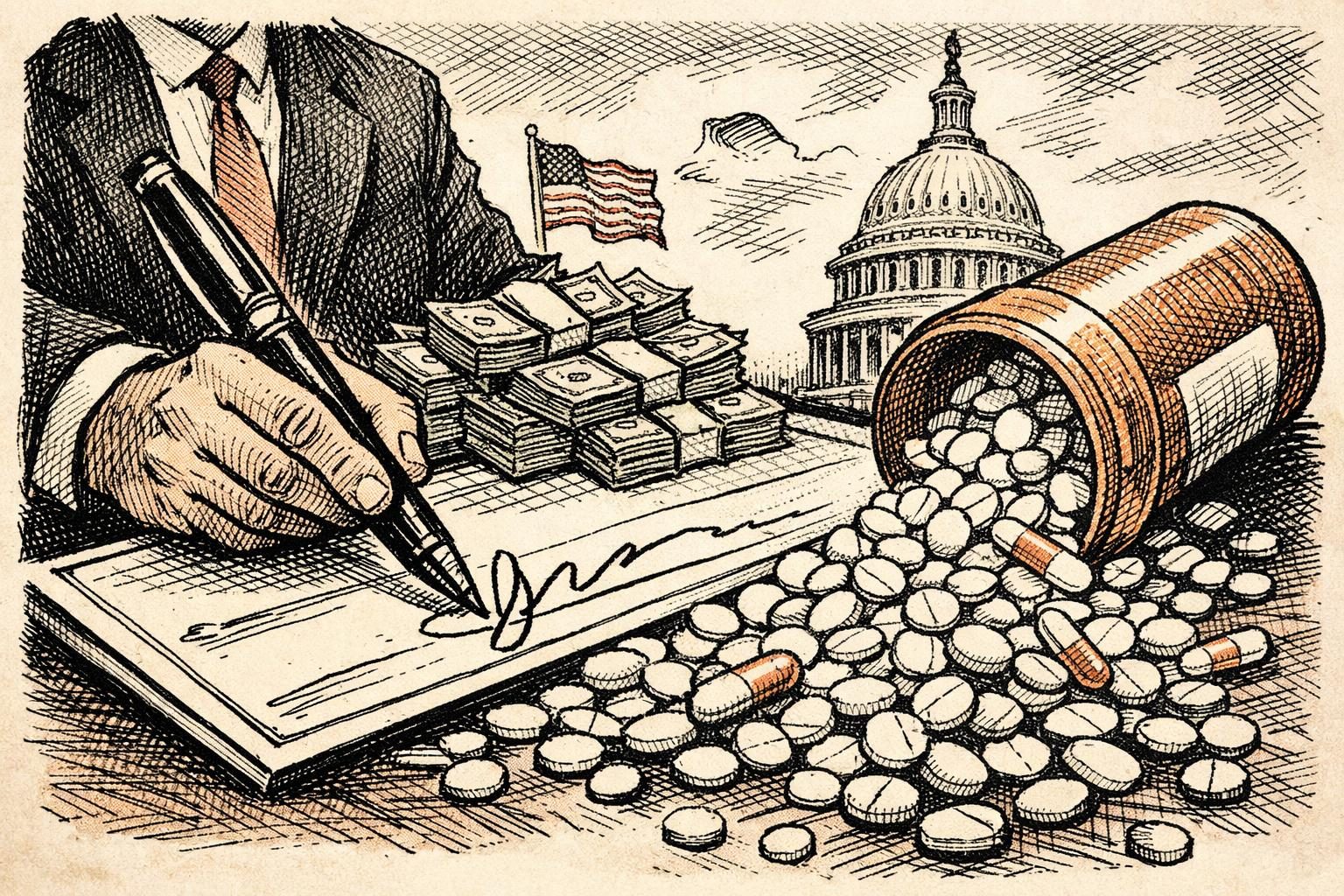
CVS has agreed to pay $315 million to resolve allegations that it filled unlawful opioid and other controlled-substance prescriptions and then billed Medicare and other federal health programs for many of them, according to the Justice Department. The settlement, announced Oct. 13, reaches conduct the government says ran from 2013 through late 2025, making this much more than a dusty accounting dispute over old files. Federal authorities say the company’s dispensing practices violated the Controlled Substances Act and that the resulting claims for reimbursement ran afoul of the False Claims Act. In plain language, prosecutors are arguing that the pharmacy chain did not just make isolated mistakes at the counter, but operated in a way that allowed questionable prescriptions to move through its system and into public insurance programs. CVS did not admit liability in the settlement, but the size of the payout and the breadth of the allegations make clear that regulators viewed the case as a serious enforcement target. For a company that sits at the center of the prescription drug supply chain, this is the kind of deal that lands with both financial weight and reputational force.
What makes the case especially notable is the window of conduct the government says it covers. A settlement tied to events that stretch up to late 2025 suggests this is not just about the worst years of the opioid epidemic, but about practices that allegedly persisted even as the industry was already under intense scrutiny. That timing matters because pharmacy chains have spent years telling regulators, lawmakers, and the public that they have strengthened controls, improved monitoring, and learned hard lessons from the crisis. If the allegations here are accurate, then those safeguards either were not sufficient or were not applied consistently enough to stop unlawful prescriptions from being filled and billed. The government’s theory also underscores how the opioid crisis did not end when the most intense national headlines faded. Communities are still living with the consequences, and the enforcement record is still being written around the companies that profited from or facilitated the flow of controlled substances. A settlement of this size suggests prosecutors believe the conduct was not a one-off lapse, but part of a systemic failure that touched the pharmacy’s core business operations.
The practical significance goes beyond one company’s balance sheet. Pharmacy chains occupy a crucial choke point between prescribers, patients, insurers, and government payers, which means internal controls are supposed to do a lot of work before a pill bottle ever reaches a counter. When those controls fail, the damage is not limited to paperwork errors or disputed reimbursements. It can mean prescriptions that should have been flagged, claims that should never have been submitted, and public health systems that end up paying for conduct the law says should not have happened in the first place. That is why settlements like this are often read as a warning shot for the broader industry. If a national chain with substantial resources can be accused of letting unlawful controlled-substance prescriptions through its system, then smaller gaps at other pharmacies may look less like clerical oversights and more like compliance breakdowns waiting to become legal exposure. The government also gets a visible enforcement win by showing that it is still pursuing major corporate actors over opioid-related misconduct, not just chasing smaller players at the margins.
Politically, the deal lands in a climate where public anger over the opioid epidemic has never fully disappeared. Families, local governments, and health advocates continue to ask who knew what, who failed to act, and who made money while overdose deaths devastated communities across the country. A settlement without an admission of liability will not answer those questions, and it does not by itself repair the harm that has already been done. Still, the dollar figure and the allegations behind it help create a record that can be used by state and local officials, consumer advocates, and lawmakers pressing for tougher oversight of controlled-substance dispensing. Expect renewed calls for tighter audits, better reporting, and stronger monitoring of pharmacies that handle high-risk medications. CVS will likely treat the payment as one more line item in the long national reckoning over opioids, but the broader lesson is harder to shrug off: when a company with this kind of reach cannot reliably police its own dispensing and billing practices, the cost is borne not only by shareholders, but by taxpayers and the public health system as well. In that sense, the settlement is both a punishment and a reminder that the opioid crisis is still generating fresh legal wreckage long after the worst headlines moved on.
Comments
Threaded replies, voting, and reports are live. New users still go through screening on their first approved comments.
Log in to comment
No comments yet. Be the first reasonably on-topic person here.