
CVS Gets Hit With a $315 Million Opioid Deal After Years of Prescribing Chaos
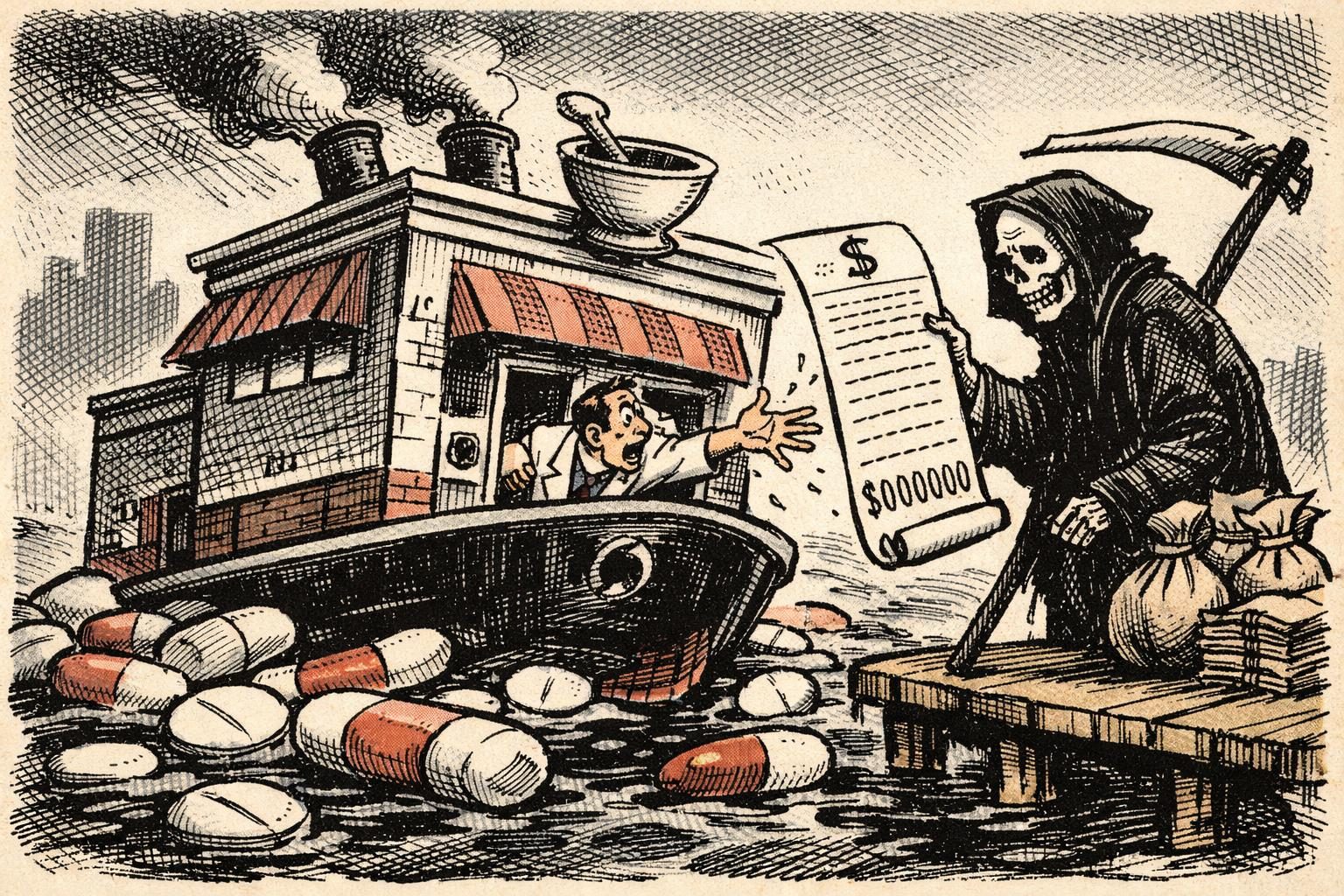
CVS has agreed to pay $315 million to resolve allegations that it illegally filled unlawful opioid and other controlled-substance prescriptions and then billed federal health care programs for many of those prescriptions. The deal is enormous on its face, but the real story is what it says about the machinery around it: a major pharmacy chain, multiple layers of oversight, and still a pattern the government says let invalid prescriptions move through the system anyway. This is not a court ruling and it is not a finding after a full trial, but it is a significant marker in a yearslong effort to assign financial consequences to the institutions that helped normalize the opioid crisis. The settlement frames the company’s conduct as more than a paperwork problem, arguing that the prescriptions in question were not just irregular but unlawful, and that federal programs ended up paying for them anyway. For patients, taxpayers, and communities already buried under the epidemic’s legacy, the number is large, but the broader implication is larger still: the failures were not isolated, and they were not cheap.
The allegations center on dispensing practices that, according to the government, should have triggered obvious warning signs. Pharmacies are supposed to play a gatekeeping role, especially when prescriptions involve opioids and other controlled substances that carry a high risk of misuse, diversion, and overdose. The case suggests that those safeguards either failed or were overridden often enough to become part of a broader pattern rather than a one-off mistake. That matters because the damage from unlawful dispensing is not theoretical. Every invalid prescription that makes it into the system can fuel dependency, accelerate harmful use, and increase the odds that families, emergency rooms, and public health agencies will have to pick up the pieces later. When the government says a pharmacy filled prescriptions it should not have filled and then sought reimbursement from federal programs, the allegation is not just that money changed hands improperly. It is that the very checkpoint meant to slow the spread of dangerous medications was treated as a transaction point instead.
The settlement also underscores how much of the opioid crisis was enabled by institutions that were supposed to serve as safeguards. Pharmacies, prescribers, insurers, distributors, and regulators all occupied different parts of the chain, and the crisis flourished in the gaps between them. CVS’s agreement does not resolve the larger history of how opioids were pushed, prescribed, filled, and reimbursed on such a scale, but it does add another concrete example of how ordinary systems can become dangerous when red flags are missed or ignored. The government’s theory here matters because it treats the harm as both public and financial: public, because unlawful dispensing can expose patients to real medical danger, and financial, because federal health care programs allegedly paid for prescriptions that should never have been processed. That combination is what makes settlements like this more than symbolic. They are meant to recover money, yes, but they also function as official recognition that the breakdown was systemic. A single pharmacy chain does not create an epidemic by itself, but a chain of repeated failures can help keep one going.
Even so, a settlement of this size should not be mistaken for closure. Civil deals often leave key questions unanswered, including how widely the disputed conduct occurred, how many prescriptions were involved, how long the alleged failures persisted, and what internal controls were in place at the time. The agreement may settle the government’s claims, but it does not erase the underlying reality that opioid-related harms were allowed to accumulate for years before the bill came due. It also illustrates how slowly accountability can arrive in sprawling public-health disasters. By the time a case like this produces a dollar figure, many of the people most directly affected have already lived through addiction, loss, and the long afterlife of a crisis that was repeatedly mismanaged. A $315 million payout can sound decisive, and in corporate terms it is substantial, but for the communities that absorbed the damage, it is closer to a ledger entry than a remedy. The larger lesson is uncomfortable but hard to avoid: the opioid epidemic was not sustained by one bad actor alone, but by a system that repeatedly failed to stop bad actors from operating in plain sight.
Comments
Threaded replies, voting, and reports are live. New users still go through screening on their first approved comments.
Log in to comment
No comments yet. Be the first reasonably on-topic person here.