
CVS pays $315 million to settle opioid-prescription allegations
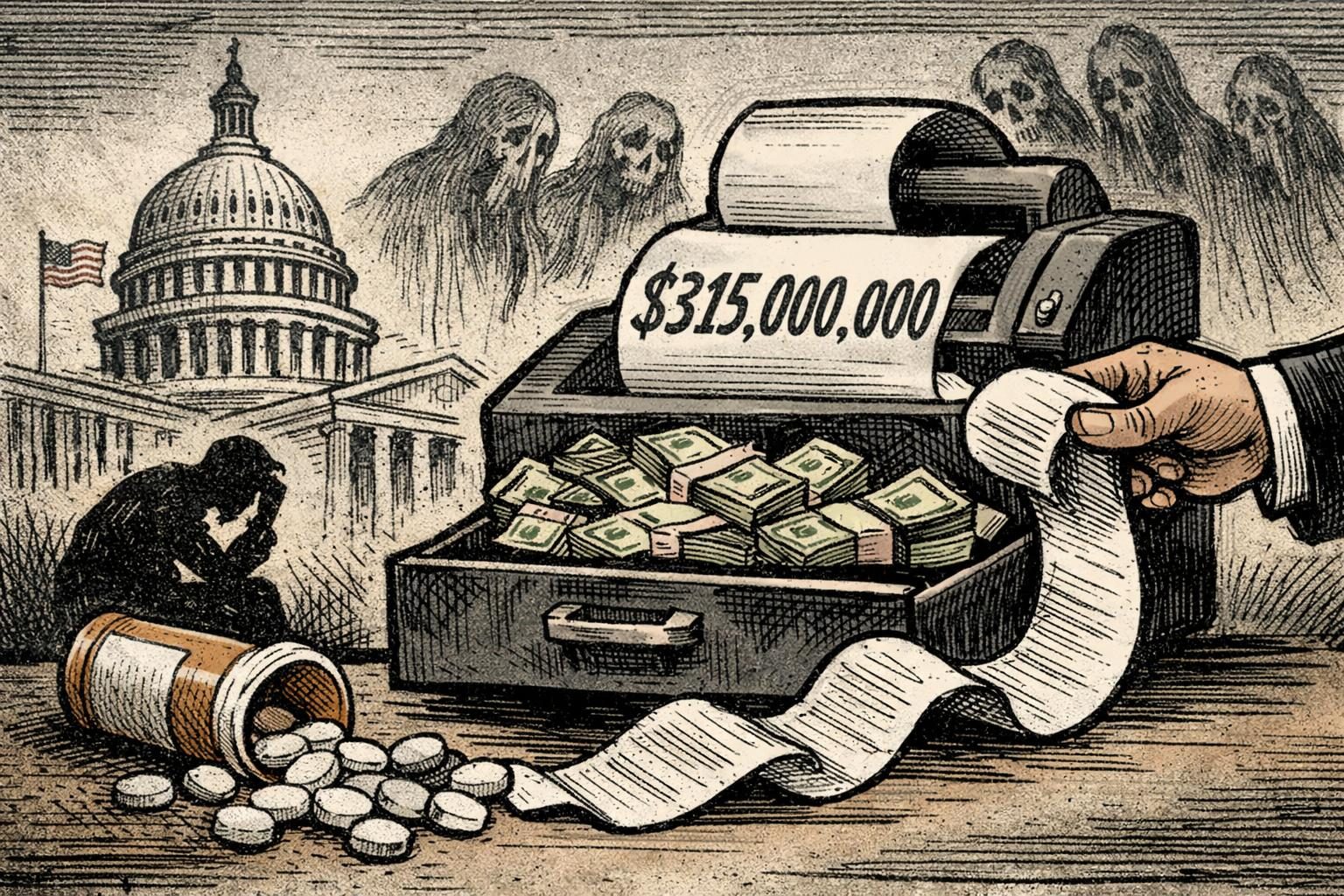
CVS Pharmacy and several related subsidiaries have agreed to pay $315 million to settle federal allegations that the company unlawfully filled medically unnecessary opioid prescriptions and then billed taxpayer-funded health programs for them. The agreement, announced on October 13, resolves claims brought by the Justice Department in a case filed in 2024 and does not amount to an admission of liability. But it does put a concrete price tag on conduct that prosecutors say helped keep dangerous drugs moving through the system long after warning signs were obvious. In broad terms, the government’s allegation is straightforward: prescriptions that should not have been filled were filled anyway, and public programs were charged for them. That combination turned a healthcare failure into a financial one for the public. It also added another chapter to a crisis that has already exacted an enormous human toll.
What makes the settlement matter is not only the amount, but the role it assigns to a major pharmacy chain in the opioid supply chain. The opioid epidemic has often been described as a story of prescribing practices, addiction, and illicit trafficking, but it has also depended on the ordinary infrastructure of retail dispensing. Pharmacies sit at a critical junction in that system, with access to dispensing data, prescription patterns, and the practical ability to slow suspicious activity when it appears. According to the government’s case, CVS failed to use that position responsibly and instead filled prescriptions that were medically unnecessary. If true, that would mean the company was not just passively present as the crisis unfolded, but participating in the movement of pills that communities were struggling to contain. The settlement suggests federal authorities still view pharmacy chains as accountability targets, not simply as corporate witnesses to a catastrophe they did not create. That distinction matters because the industry has long argued that responsibility should be spread elsewhere, among prescribers, distributors, and the broader healthcare system. The government’s posture here says those arguments do not remove a pharmacy’s duty to stop obvious abuse.
The Justice Department cast the deal as part of a wider effort to confront pharmacies that, in the government’s view, helped fuel the epidemic. That framing will likely resonate with families, treatment advocates, and local officials who have spent years asking why so many companies implicated in the crisis have been able to resolve claims through settlements while remaining in business. Money cannot undo the harm done to people who became dependent on opioid medications or to communities left to absorb the consequences. It also cannot replace the time lost while abuse continued unchecked, or the lives cut short by overdose and related health complications. Still, settlements of this sort do serve a public purpose if they establish that there is a cost to ignoring red flags. They can also force companies to confront whether their internal controls were adequate or whether scale became an excuse for inaction. The alleged conduct in this case involved medically unnecessary prescriptions, billing federal programs, and what prosecutors characterize as failures in oversight. Those are not abstract compliance issues. They are the kinds of breakdowns that can magnify a public-health emergency.
The broader significance of the CVS settlement will likely be measured in precedent as much as in dollars. Other pharmacies and healthcare companies watching this case will see that the federal government remains willing to pursue claims tied to opioid distribution and billing practices when the paper trail supports the allegations. That is especially true in a crisis where so many defendants have already paid large sums, suggesting that the legal and political appetite for accountability has not disappeared. The deal also reinforces a hard truth about the opioid era: the costs arrive in stages. First come the prescriptions, then the misuse, then the addiction, and finally the settlements, often years later when the damage is already embedded in families, emergency rooms, and public budgets. For the people living with the aftershocks, the question is not whether a corporation can write a check. It is whether the system will ever respond quickly enough to prevent the next wave of harm. CVS’s agreement to pay $315 million does not answer that question. But it does confirm that the government still believes the pharmacy counter is one of the places where the opioid crisis was allowed to deepen, and that those decisions still carry a bill.
Comments
Threaded replies, voting, and reports are live. New users still go through screening on their first approved comments.
Log in to comment
No comments yet. Be the first reasonably on-topic person here.