
Justice Department sues Denver in a fresh sanctuary-city clash
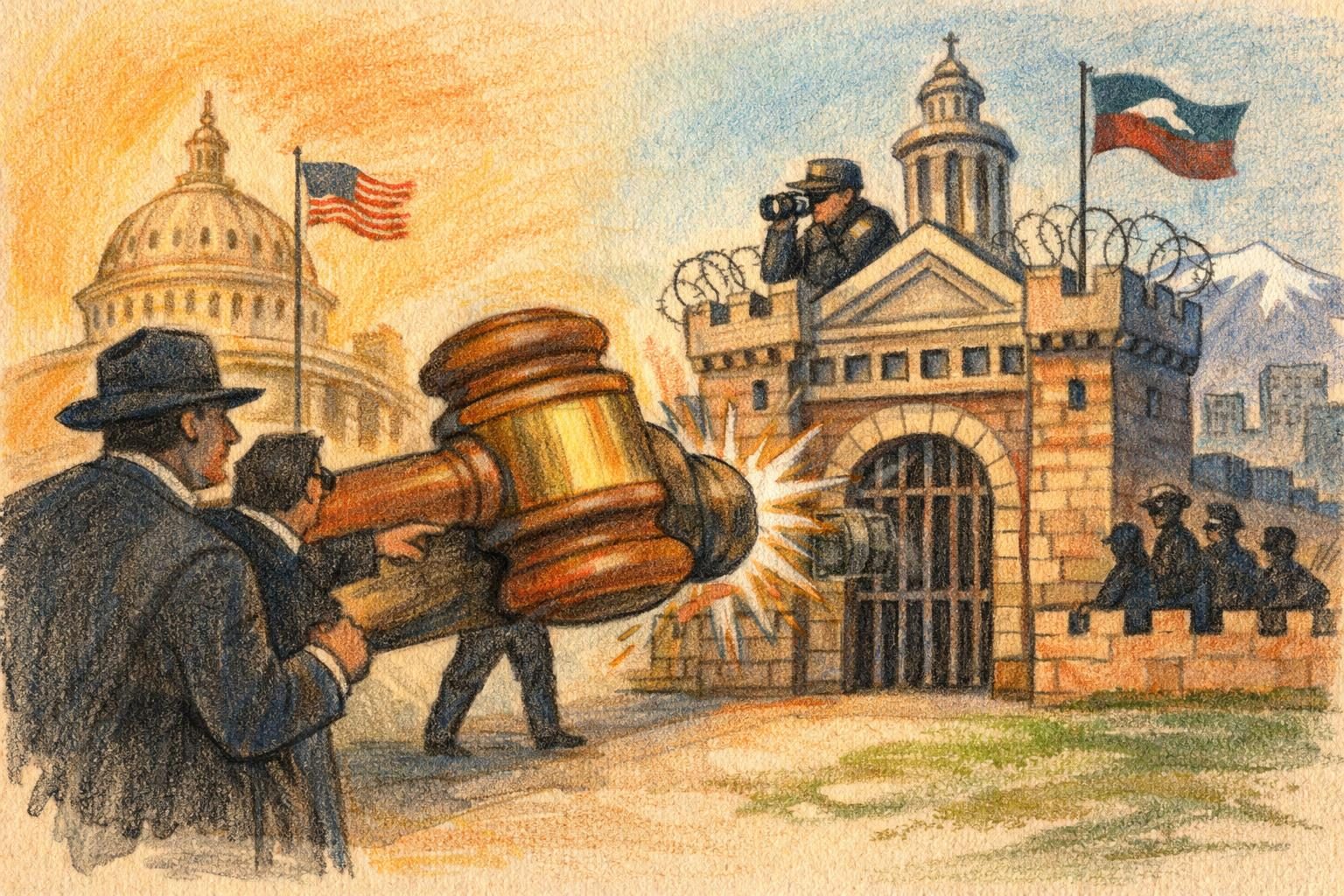
The Justice Department escalated its fight with Denver on October 13 by filing a lawsuit against the city and county, along with local officials, over sanctuary-related policies that federal lawyers say interfere with immigration enforcement. The complaint lands as part of a broader push by the administration to challenge cities that limit how far local police will go in helping federal immigration agents. It is a familiar clash, but one that remains politically useful precisely because it turns a national argument into a concrete legal battle. For the administration, the courtroom offers a stage where the message is simple: comply more fully with federal immigration efforts or face consequences. For Denver, the case is likely to be framed as an attempt to force local government into doing the work of immigration agents. Either way, the filing ensures the dispute will now be measured in motions, deadlines, and legal bills rather than slogans alone.
What makes the lawsuit notable is not just that it was filed, but what it says about the White House’s continuing approach to immigration politics. The administration is still treating sanctuary policies as a central target, not a side issue, and that choice signals how important the subject remains as a political wedge. There is a reason these cases keep coming back: they allow federal officials to argue they are defending public safety, the rule of law, and cooperation between jurisdictions. Local officials and immigrant-rights advocates counter that sanctuary policies are designed to preserve trust between residents and police, especially in communities where fear of deportation can keep victims and witnesses quiet. The lawsuit does not settle that debate, and it probably was never meant to. Instead, it makes the dispute more formal, more expensive, and more visible, which may be part of the point. In that sense, the case is both legal action and political theater, with each side counting on the filing to reinforce its own story about who is protecting the public and who is overreaching.
The legal and practical stakes are straightforward even if the broader politics are not. If the Justice Department succeeds, the case could narrow how far Denver and other cities can go in limiting cooperation with federal immigration authorities. If Denver prevails, the city and other jurisdictions that have adopted similar policies may feel emboldened to keep those restrictions in place. Either way, the litigation forces local governments to devote staff time, lawyer hours, and budget resources to a fight they say they did not seek. That burden matters even when the lawsuit does not immediately change day-to-day policing. Municipal leaders often argue that local priorities should be set by neighborhood needs, not by Washington’s immigration agenda, and that they should be able to determine when police are working on street-level safety and when they are being pulled into federal enforcement. The Justice Department, for its part, appears to be saying that Denver has gone too far in drawing those lines. The specifics of the complaint will determine how strong that argument is in court, but the filing alone sends a clear signal that cooperation disputes remain very much alive.
The fallout reaches beyond Denver because these kinds of cases function as warnings to other blue cities with similar policies. When the federal government files a suit like this, officials elsewhere take notice, even if they think their own laws or practices are different enough to survive. That chilling effect is one reason these cases matter politically even before a judge rules on anything. Cities are left to decide whether to defend their policies aggressively, adjust them to reduce legal exposure, or brace for more federal pressure. The administration, meanwhile, gets another chance to tell supporters it is being tough on immigration and forcing local governments to answer for resisting federal priorities. The result is a familiar cycle: a press release for the base, a lawsuit for the docket, and a municipal government left to absorb the practical strain. Denver’s response will likely frame the case as an attack on local control and a misuse of federal power, while the Justice Department will present it as a necessary defense of national enforcement authority. What is certain is that the fight will consume time and money long before anyone knows whether it changes the larger policy landscape. That is how immigration politics often works now: the argument is national, the battlefield is local, and the cost lands on taxpayers while the public hears about it as another battle over who gets to decide what policing is for.
Comments
Threaded replies, voting, and reports are live. New users still go through screening on their first approved comments.
Log in to comment
No comments yet. Be the first reasonably on-topic person here.