
Two more guilty pleas deepen the Evanston/Skokie school-district kickback case
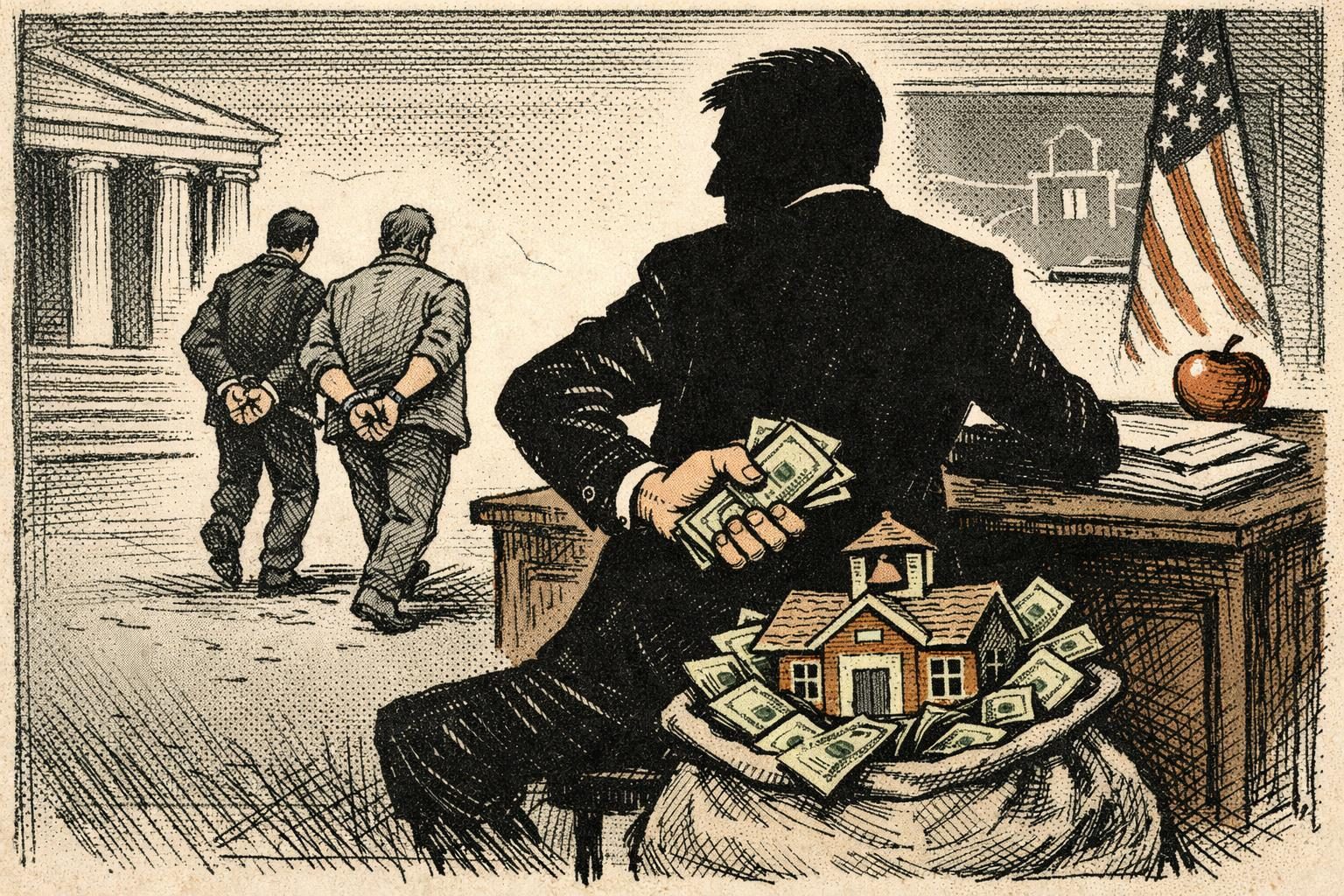
Federal prosecutors say the corruption probe around Evanston/Skokie School District 65 has moved into a more serious phase with two former vendors pleading guilty and admitting they played roles in a kickback scheme tied to district contracting. According to the government, the men acknowledged paying cash kickbacks to the district’s former superintendent in exchange for help steering public work toward companies they owned. One defendant is accused of receiving about $119,500 from district contracts and returning at least $41,900 in cash kickbacks. The other allegedly received roughly $24,000 and paid at least $6,000 back. Those figures do not by themselves tell the whole story, but they do give the case a shape that is hard to ignore: public money went out, private cash came back, and the middleman in the process was supposed to be a school administrator, not a broker in a side deal.
That matters because school-district corruption is not just another white-collar scandal. It is the kind of case that lands with unusual force because it involves money meant for students, classrooms, staff, and the routines that keep a district functioning. When prosecutors say a superintendent was allegedly taking cash in exchange for contracting favors, the allegation cuts straight to the core of public trust. A school district is expected to be dull in the best possible way, with procurement rules, oversight checks, and ordinary bureaucratic friction standing between public funds and misuse. Instead, the accusations here suggest a system in which those guardrails were either bypassed or ignored. Even if the district itself was not directing the scheme, the damage reaches far beyond the individuals named in court. Every legitimate vendor now has to work under the shadow of a case that makes ordinary contracting look potentially compromised.
The guilty pleas also change the political and legal atmosphere around the investigation. Before admissions like these, public corruption probes can feel abstract, built around allegations, sealed filings, and incomplete accounts of who did what. Once defendants begin pleading guilty, the case becomes much harder to dismiss as a misunderstanding or a sloppy arrangement gone wrong. Prosecutors can now point to admissions from people inside the alleged conduct, which strengthens the broader narrative that this was not a one-off lapse but a deliberate kickback operation. That does not mean every question has been answered, and it does not mean the entire contracting process inside the district has been fully mapped out. It does, however, suggest that investigators have enough to keep pressing and enough corroboration to make the remaining pieces of the case look less speculative. In practical terms, each plea raises the pressure on anyone else connected to the scheme, because cooperation by one defendant often makes the position of others more difficult.
For district officials and the broader community, the immediate problem is not just the legal exposure but the wreckage left behind in public confidence. Oversight questions now become unavoidable. Who knew what, and when did they know it? Were there warning signs in vendor relationships, payment patterns, or contracting decisions that should have triggered scrutiny earlier? Were internal controls too weak to catch something prosecutors now describe as corrupt? Those are the kinds of questions that follow a case like this even before a courtroom resolves the full facts. The district has to deal with the reputational fallout while the legal process continues, and those are not easy burdens to separate. The public does not usually distinguish neatly between alleged wrongdoing by a superintendent, possible failures by procurement staff, and the institution as a whole. In the real world, the stain spreads across all of it.
What makes this case especially corrosive is that it takes aim at the ordinary machinery of government rather than at some isolated moment of misconduct. School contracting is supposed to be a routine administrative function, the sort of thing that should be governed by paperwork, competitive process, and basic accountability. When prosecutors say cash payments were used to reward steering of contracts, it suggests those ordinary safeguards were converted into something much more vulnerable. That is why these pleas matter even beyond the immediate dollar amounts involved. They indicate that the alleged arrangement was not merely careless but transactional in a way that undermines the legitimacy of the system itself. The investigation is still a legal process, and the full scope of liability has not been resolved. But the direction of travel is clear enough. The paper trail is getting uglier, the explanations are getting thinner, and the district is left confronting a corruption case that now looks less like a rumor and more like a documented scheme.
Comments
Threaded replies, voting, and reports are live. New users still go through screening on their first approved comments.
Log in to comment
No comments yet. Be the first reasonably on-topic person here.