
Election-law fights kept moving in federal court, and the orders are getting sharper
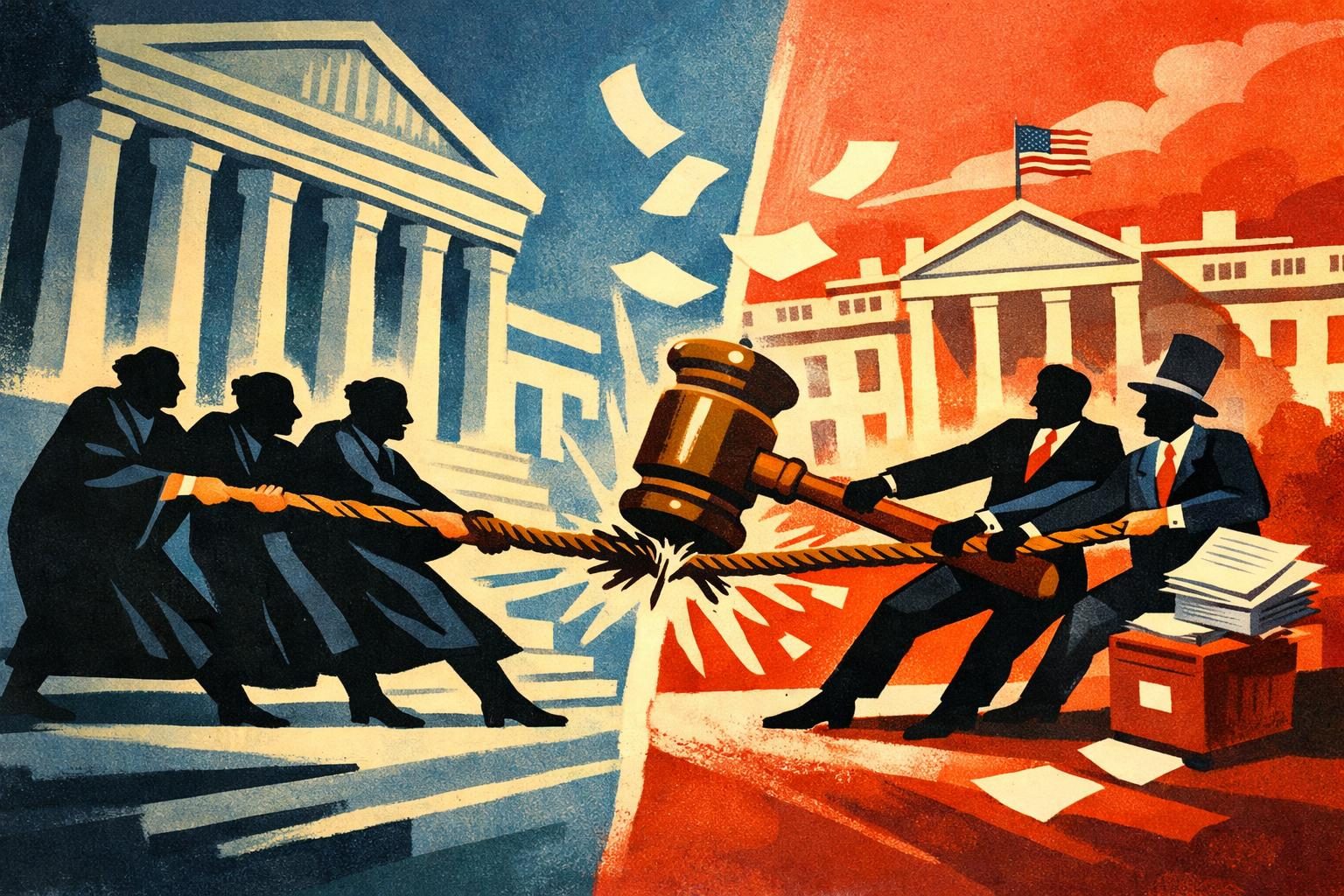
Federal court activity dated October 13 shows the election-law fight continuing to harden in a way that is easy to miss if you only follow the political theater and not the docket. The latest filings and orders do not read like a dramatic constitutional showdown, but they do show judges staying actively engaged with executive-branch moves tied to federal elections and insisting on measurable compliance. That matters because court orders are not merely commentary; they are operational commands backed by the possibility of enforcement. When a judge directs the government to pause, explain, report back, or adjust a policy, the dispute stops being abstract and becomes a question of whether the executive branch will obey. In practical terms, the administration’s election agenda is still running into judicial resistance, and that resistance is forcing the government to defend its actions in a setting where confidence alone will not carry the day.
What makes this round of litigation especially important is not one isolated order, but the way the cases are accumulating pressure. Election rules do not change simply because a president or agency decides they should change. They move through a slower and less flattering process: lawsuits, emergency motions, injunctions, appellate review, and compliance deadlines that can stretch for weeks or months. The latest docket entries suggest judges are treating the disputes as live and consequential, not as speculative policy disagreements. That means the government is being asked to justify what it is doing, to show its work, and in some instances to do so on a schedule set by the court rather than by the White House. Once that happens, the room for slogans shrinks and the need for legal precision grows. Even when the underlying issue is technical, the message from the bench can be blunt: if the executive branch wants to change election administration, it has to do it lawfully and it has to live with judicial scrutiny while the challenge plays out.
That dynamic also explains why these cases can have political significance far beyond the details of any one filing. Critics of the administration are likely to read the orders as evidence that its election agenda is stretching legal limits and inviting pushback because it is vulnerable on the merits. Defenders, by contrast, will say the government is trying to enforce legitimate rules and that courts are intruding into decisions that properly belong to the executive branch. The records themselves do not settle that argument, but they do establish that judges are not treating the controversy as imaginary. They are issuing concrete instructions, monitoring deadlines, and making clear that noncompliance has consequences. That is the sort of development that rarely produces a memorable sound bite, yet it is often how major policy fights actually get decided. The real story here is not just that there is litigation, but that the litigation is maturing into a process that can narrow the government’s options and force revisions whether or not the administration wants them.
The immediate fallout is procedural, but procedural fights in election law have a way of becoming political very quickly. If the administration continues to lose these skirmishes, it risks looking less like a reforming force and more like a litigant that keeps running into the same wall because it pushed ahead before the law was settled. If it wins some of the disputes, those victories may still come with delays, compromises, and a trail of resentment that makes the broader project harder to sell. Either way, the courts are doing what courts do when executive power starts moving too fast: slowing the machine down and requiring the government to explain every turn it takes. That may be frustrating for officials who prefer to move first and argue later, but it is also the point of judicial review in a system where the administration does not get to rewrite election procedure by assertion alone. The broader implication is straightforward, even if the paperwork is not: the election-law fight is still live, the judges are not backing away, and the administration’s ability to shape the process is being tested line by line in federal court.
Comments
Threaded replies, voting, and reports are live. New users still go through screening on their first approved comments.
Log in to comment
No comments yet. Be the first reasonably on-topic person here.