
Kimberly Guilfoyle’s resignation turns ethics mess into a live fire
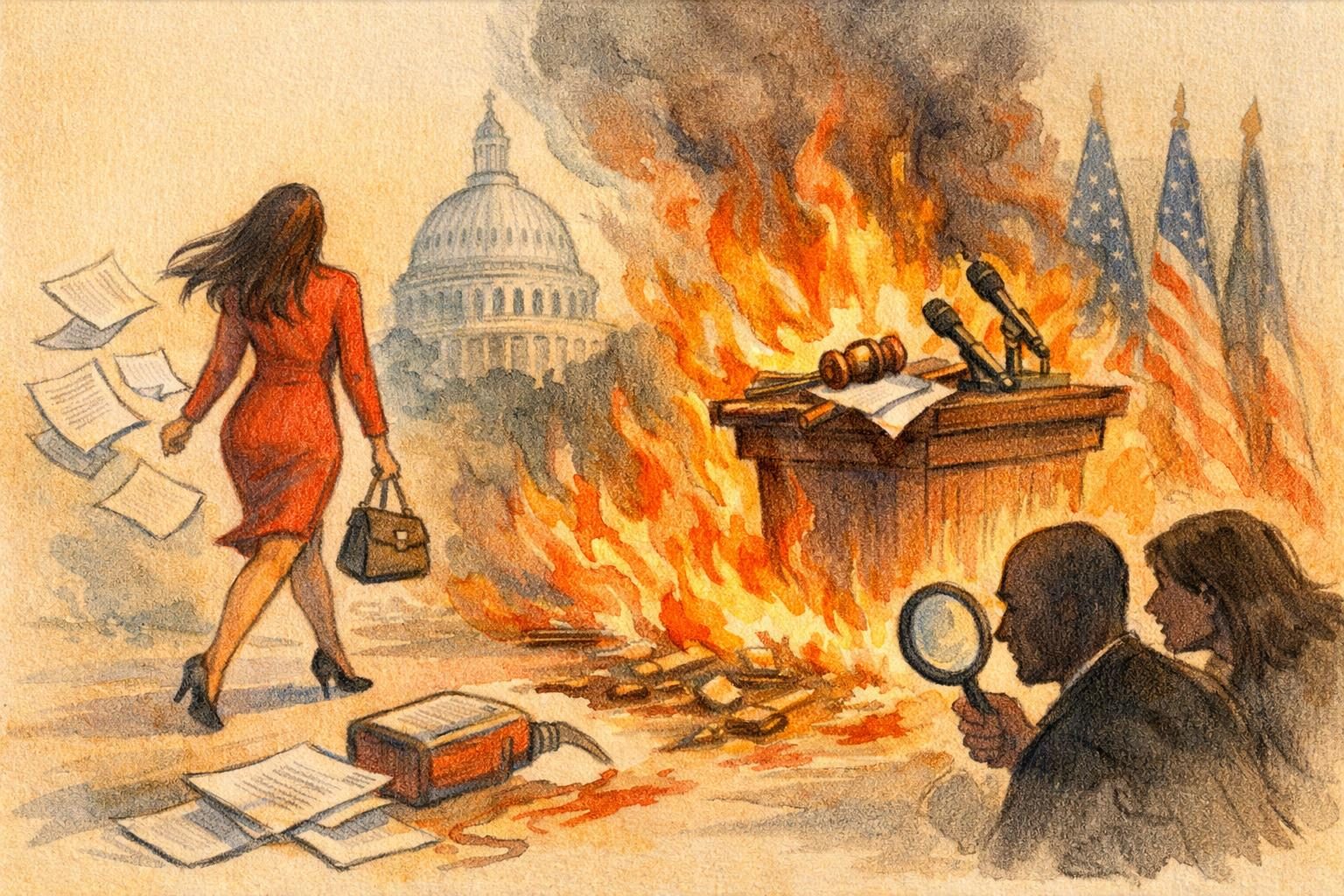
Kimberly Guilfoyle’s resignation as ambassador has done more than close out a diplomatic posting; it has turned an already embarrassing ethics dispute into a live political problem with real staying power. What might have remained a sideline argument about conduct, judgment, and blurred lines now sits at the center of a much broader conversation about how power is used and protected in the Trump orbit. Guilfoyle has said she will fight the allegations against her, which keeps the story from fading on its own and ensures the questions surrounding her departure will linger well beyond the formal end of her service. Her lawyers have denied wrongdoing, but a denial is not the same thing as closure, especially when a resignation itself suggests the matter has become too politically hot to ignore. At this point, the issue is no longer just whether the allegations are true. It is also about what her exit says about the standards that govern people who are handed prominent posts in a movement that prides itself on loyalty and discipline.
The allegations at the center of the dispute are the kind that can quickly become toxic because they mix public office, private advantage, and personal relationships in ways that are hard to untangle cleanly. Questions have been raised about gifts, travel, and a request for money tied to private services, all of which are the sort of details that immediately put ethics watchdogs and political opponents on alert. Even before any formal resolution, those claims have already forced defenders into an uncomfortable posture, explaining rather than leading, clarifying rather than dismissing. That matters because in politics, perception often travels faster than proof, and the appearance of impropriety can do nearly as much damage as a finding of misconduct. If the facts remain contested, the political effect still lands in the same place: an official with a high profile is now associated with behavior that invites suspicion about how access and benefit may have overlapped. Once that image takes hold, it is hard to dislodge, even if later evidence narrows the case or complicates parts of the narrative.
The larger problem is that this episode fits a familiar pattern in the Trump universe, where influence is often treated as a reward for proximity rather than a responsibility to be carefully separated from private gain. That mindset has helped produce a long string of controversies in which the line between official power and personal advantage appears blurry at best and deliberately ignored at worst. Guilfoyle’s case does not stand in isolation, and that is what makes it politically damaging beyond her own future. Each new ethics dispute reinforces the sense that the movement’s promises about reform, order, and national pride do not always survive contact with the people tasked with carrying them out. For critics, the resignation is not merely a personnel change; it is another exhibit in a larger argument that the same circle preaching discipline too often struggles with basic boundaries. Even for supporters, it is the kind of distraction that turns a message about strength into a conversation about judgment. And once a scandal starts to look systemic, the damage spreads beyond the individual and into the brand itself.
There is also a practical governing cost to a controversy like this, because personnel choices in high-visibility roles can create consequences that outlast the individual officeholder. A resignation under this kind of cloud hands critics a ready-made example of how quickly official standing can become entangled with accusations of improper conduct, and it does so in a way that is easy for the public to understand. The administration now has another awkward story to manage, another explanation to offer, and another reminder that reputational risk is inseparable from appointments made for loyalty as much as competence. Even if the allegations are never fully proven, the political stain remains, because the questions themselves are corrosive. People do not need a final legal conclusion to decide that the situation looks bad, and politics is often shaped by that first, blunt judgment. This is why stories like this stick. They confirm suspicions about entitlement and double standards, they embarrass allies who would rather move on, and they undercut claims that the movement can hold itself to a different standard from the one it accuses everyone else of violating. In that sense, Guilfoyle’s resignation is not the end of the ethics mess. It is the point at which the mess becomes impossible to treat as background noise.
Comments
Threaded replies, voting, and reports are live. New users still go through screening on their first approved comments.
Log in to comment
No comments yet. Be the first reasonably on-topic person here.