
Comer opens a new investigation into left-wing jury nullification efforts
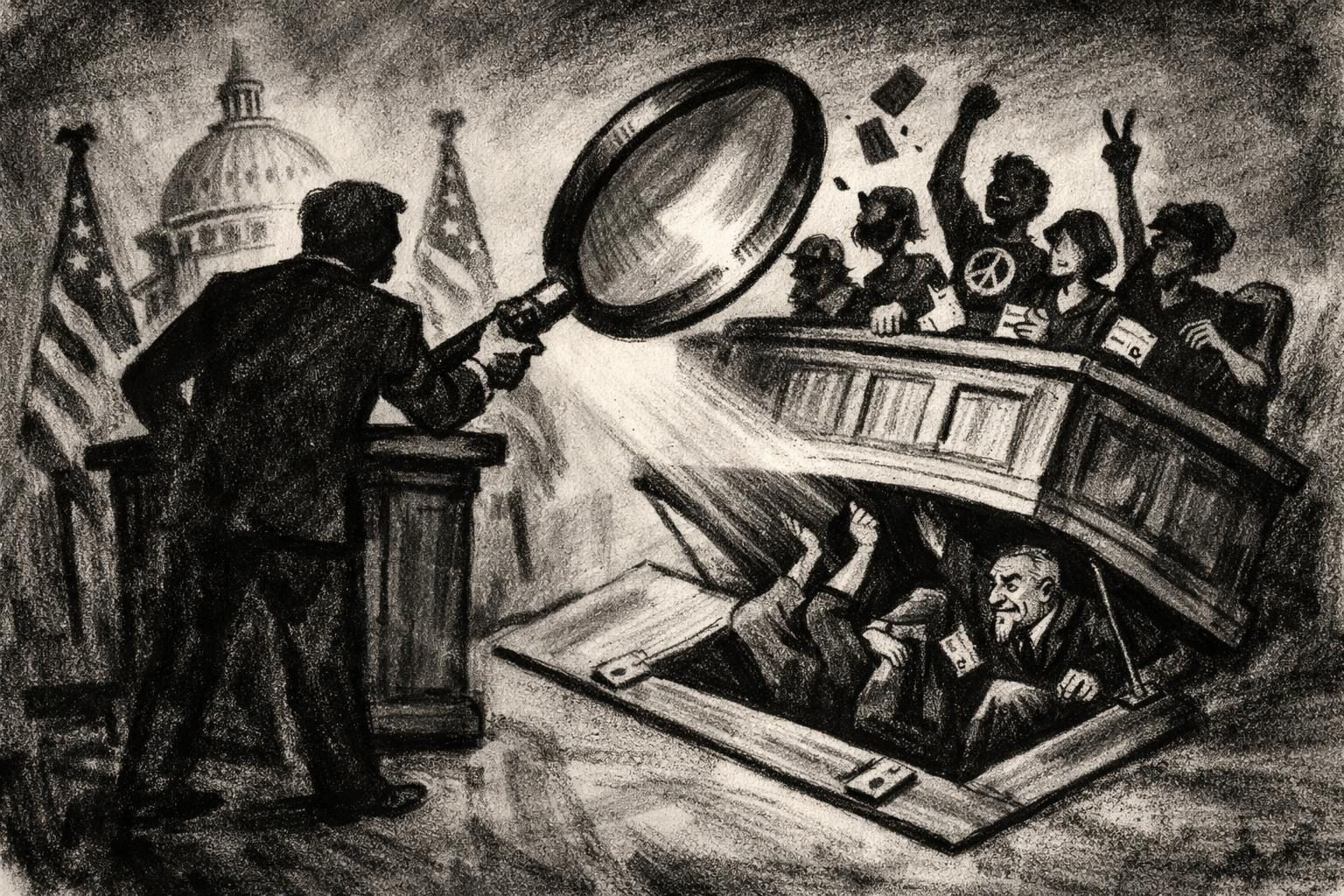
House Oversight Chairman James Comer has opened a new investigation into what he describes as politicized jury-nullification efforts tied to left-wing activist groups in Washington, D.C., turning another partisan complaint into a fresh committee spectacle. The announcement is the kind of move that has become almost routine on Capitol Hill: a formal probe is launched, a press statement lands, and lawmakers get another stage on which to perform outrage for their respective audiences. In practical terms, the committee is now signaling that it wants information about how activist organizations have discussed jury nullification, what materials may have been distributed, and whether any of that crosses a legal line. In political terms, the inquiry gives Republicans another way to frame liberal activism as not merely misguided but corrosive to the rule of law. It also places a genuinely complicated constitutional issue into a familiar partisan machine that tends to flatten nuance into talking points.
Jury nullification itself is one of those subjects that instantly tempts lawmakers into overstatement because it sits awkwardly between protected speech and the legal system’s need to function without outside coercion. People can argue, protest, and advocate for changes in law, but courts and prosecutors are understandably wary when outside groups encourage jurors to reject the law as written. That tension makes the issue more than just a messaging exercise, even if Washington often treats it that way. If this investigation is serious, the committee will need to separate expressive political advocacy from conduct that could plausibly interfere with prosecutions or jury service. If it is not serious, the inquiry will serve mostly as a vehicle for inflamed rhetoric, selective outrage, and a round of content designed to keep a partisan grievance alive for several news cycles. Either way, the chairman now has a ready-made platform to define the issue on his own terms before anyone else can shape the story.
The broader context matters because this kind of probe fits a larger pattern in which congressional oversight increasingly doubles as political branding. Instead of functioning mainly as a tool for digging into government waste, abuse, or misconduct, committee power is often used to generate press clips and reinforce ideological narratives. Republicans can present the investigation as a defense of the legal system against left-wing radicals, while critics will likely see it as a distraction from more substantial oversight work involving spending, agency abuse, and executive overreach. That criticism is not hard to understand. Congress has a long list of unresolved questions that are arguably more urgent than the speech habits of activist groups in the capital. Yet once a committee chair picks a target and casts it in sweeping moral terms, the machinery of oversight tends to keep moving, even when the political payoff outweighs the substantive payoff.
There is also a practical chilling effect to these episodes that can make even a relatively narrow inquiry feel larger than it is. When a high-profile committee starts asking questions about activist messaging, organizers often assume that documents, emails, and public-facing materials may all become part of a broader fishing expedition. That can discourage participation, narrow debate, and push groups to become more cautious in how they talk about controversial topics. Supporters of the probe will say that is exactly the point if the committee believes unlawful interference may be occurring. Opponents will argue that the threat of congressional scrutiny is being used to intimidate lawful speech and to equate political advocacy with subversion. Both things can be true at once in the strange ecosystem of Washington oversight: there may be legitimate legal questions, and there may also be a partisan incentive to make those questions sound as alarming as possible.
For now, the most likely result is a familiar one. The committee will demand records, issue statements, and invite further escalation, while the underlying issue remains murky enough to be argued over rather than resolved. That makes the investigation less a clean effort to police misconduct than a well-worn exercise in narrative control. It lets Republicans keep casting liberal civil society as a shadowy threat to order, even as the larger and more consequential battles over government conduct continue elsewhere. It also provides another example of how congressional power can be spent on symbolic fights that generate heat without necessarily producing clarity. This may not rank as the day’s most consequential development, but it is a textbook example of how oversight in Washington can become theater: not quite meaningless, not quite serious, and always ready to be used as a weapon in the next argument.
Comments
Threaded replies, voting, and reports are live. New users still go through screening on their first approved comments.
Log in to comment
No comments yet. Be the first reasonably on-topic person here.