
House floor business pushed election-security and immigration items toward votes
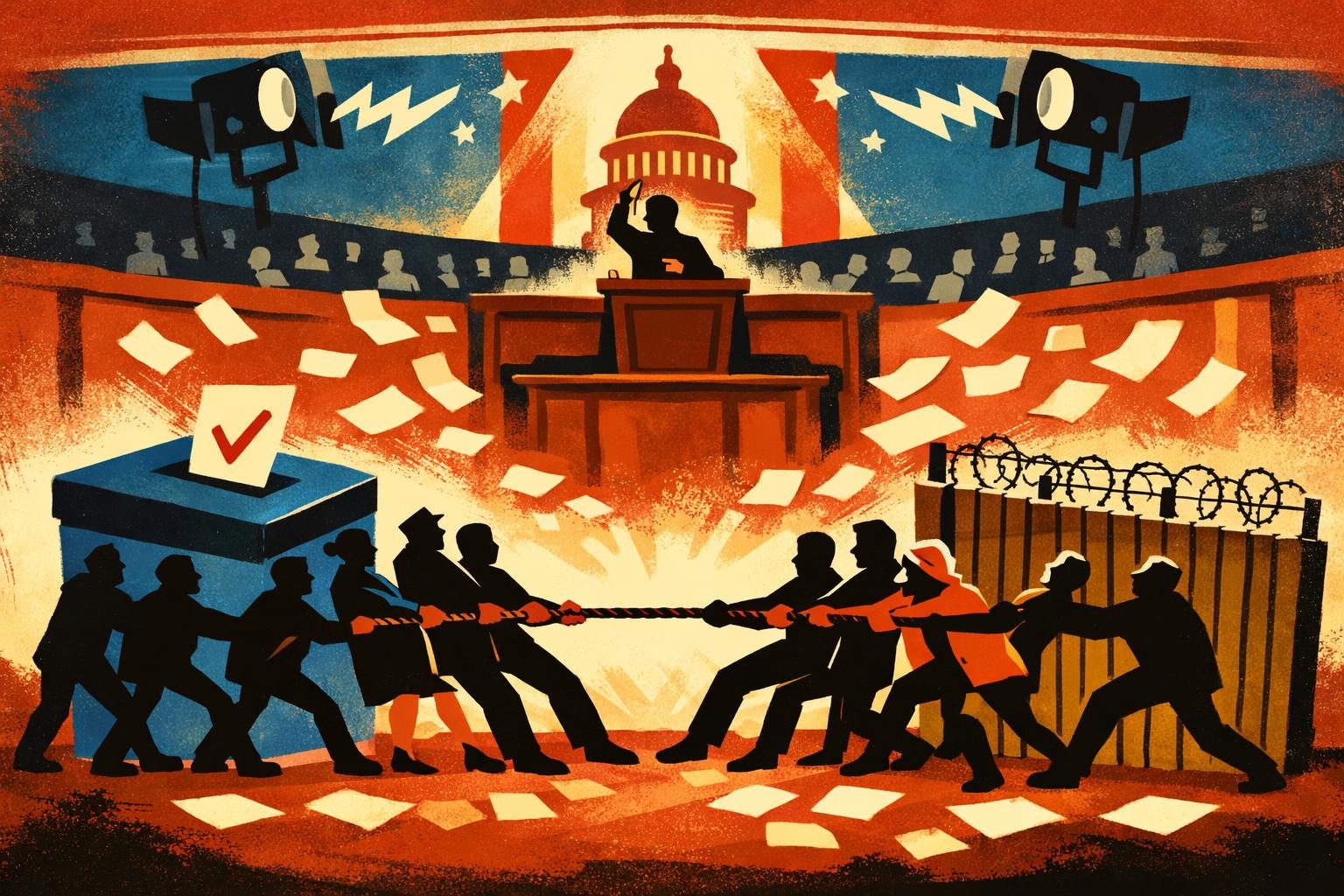
The House’s October 13 floor calendar shows lawmakers still moving a mix of election-security and immigration-related measures through the chamber, even as the broader Washington atmosphere remains dominated by shutdown-era political noise. The document itself is not a law or a final vote, but it is a public marker of what leadership chose to place on the docket and what members were expected to confront that day. In other words, the House was not just talking around these issues in press releases and floor speeches. It was scheduling them for actual legislative business, which is the part that tends to matter when the heat fades and the record remains. That makes the calendar worth paying attention to, especially because it points to live activity rather than an abstract debate.
Election administration has long been one of the most sensitive fault lines in Congress, and putting related measures on the floor almost always signals an effort to force a clean partisan contrast. Depending on the bill or resolution, these votes can become vehicles for limiting access, reshaping how elections are run, or setting up arguments that later spill into the courts and the campaign trail. Even when the immediate outcome is uncertain, the process itself can matter because it creates a formal record of where lawmakers stood. It can also reveal whether the majority is trying to advance a broader strategy around election rules or simply trying to keep pressure on the opposition. For members who want to defend voting access, the concern is not theatrical confrontation for its own sake; it is whether the chamber is building a paper trail that could be used to justify future restrictions or challenge existing protections.
The same dynamic applies to immigration, where disapproval votes and related floor actions often serve as both policy statements and political signaling. Immigration measures are frequently framed in stark terms because they are among the easiest ways for lawmakers to draw a sharp line between competing visions of federal authority, enforcement, and the treatment of migrants. A House calendar that includes immigration-related items tells you the issue remains active enough to consume floor time, which is not trivial in a chamber that constantly has to decide which fights deserve attention and which can wait. It also suggests that the majority sees value in forcing members to take positions that can be turned into campaign material, oversight ammunition, or leverage in later negotiations. The practical effect may be modest in the short term, but the institutional effect is real: a recorded vote, a defined position, and a ready-made argument for whatever comes next.
That is why the calendar matters more than it might first appear. It does not settle policy questions, and it does not tell us every detail about how each measure will ultimately move. But it does show that election administration and immigration enforcement were still on the House’s live agenda on October 13, not buried in archival procedure or abandoned to background chatter. For progressives, that means the fight is not only about what passes, but about what gets normalized as routine legislative business. A floor schedule can look mundane, yet it is often where a chamber quietly decides which controversies will be elevated, which coalitions will be tested, and which issues will be turned into formal lines of attack. When the chamber chooses these subjects, it is choosing conflict with a purpose.
The broader political significance is that these votes can outlast the day they appear on the calendar. A message vote may not move a bill into law, but it can shape committee strategy, harden talking points, and provide material for future procedural battles. It can also expose divisions inside and between caucuses, particularly if members are uncomfortable backing a tougher posture on elections or immigration. That is part of why the House’s schedule is worth reading closely even when national coverage is crowded with other crises. The presence of these items tells a story about governing priorities: the chamber is still producing concrete legislative action, and it is doing so on issues where the stakes are high, the rhetoric is sharp, and the downstream effects can be felt well beyond one day’s floor session.
Comments
Threaded replies, voting, and reports are live. New users still go through screening on their first approved comments.
Log in to comment
No comments yet. Be the first reasonably on-topic person here.