
Judge extends block on White House ban against three newsrooms
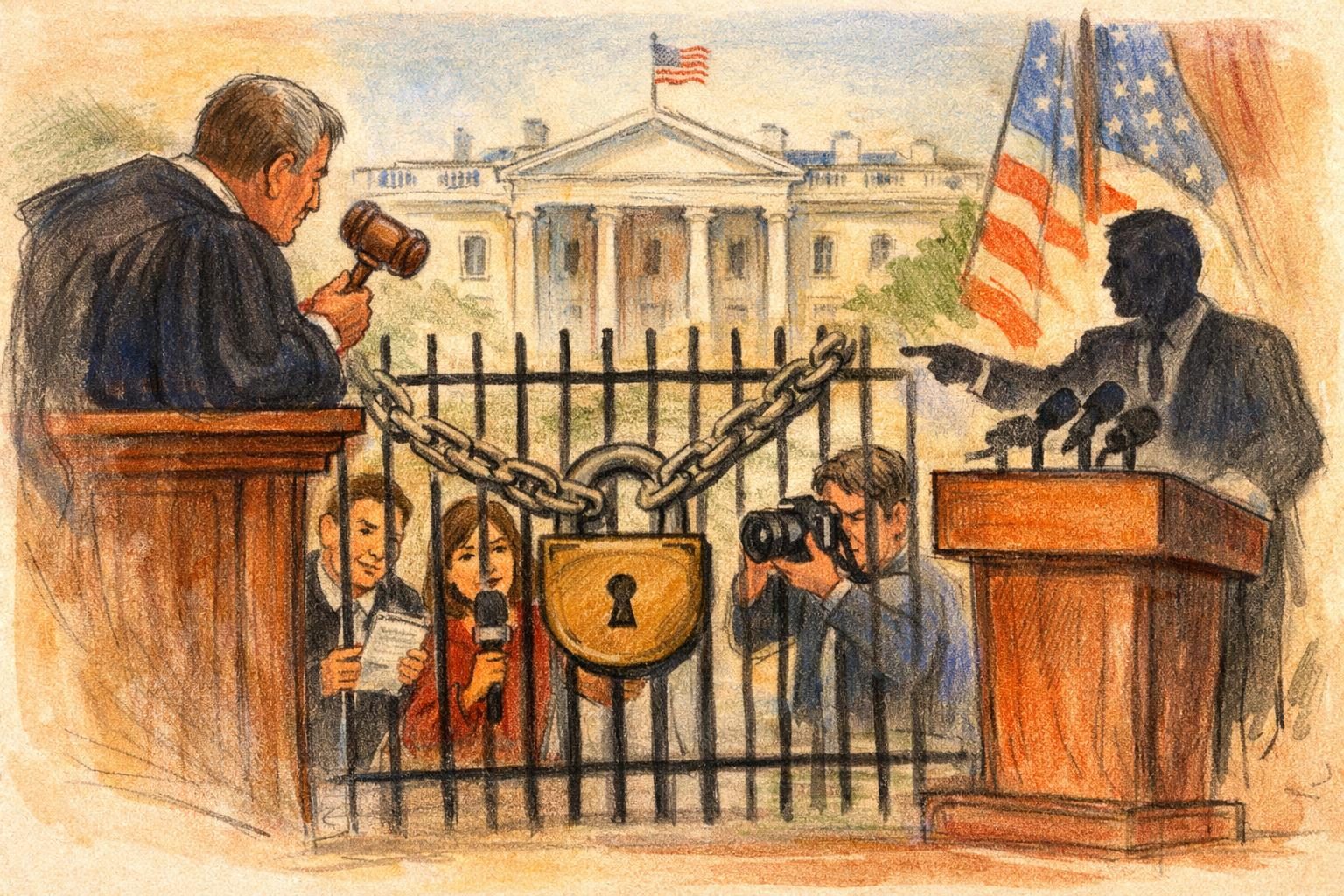
A federal judge on Tuesday extended an order blocking the Trump administration from keeping reporters from three news organizations out of White House coverage, preserving a temporary check on one of the more aggressive press-access fights to emerge under this administration. The ruling does not settle the dispute, but it ensures that the government cannot move ahead, for now, with a plan that would have cut off those outlets from the daily machinery of White House reporting. In practical terms, the decision keeps in place a barrier against what critics have described as a punishment dressed up as an access decision. It also signals that the court is taking seriously the risk that the administration’s conduct could reshape press access before the underlying legal questions are fully decided. For the moment, the status quo remains, and the White House is still barred from carrying out the exclusion it sought.
That matters because access to the White House is not a ceremonial perk; it is one of the few tools reporters have to press the president and senior aides in real time, in public, and on the record. When a president or his aides decide that certain outlets should be pushed out based on disagreement, tone, or perceived hostility, the dispute is no longer simply about seating charts or credentialing rules. It becomes a test of whether the government can use administrative power to reward favorable coverage and punish skeptical journalism. The temporary order suggests the court is not prepared to let that theory take hold while the case works its way through the system. It also reflects a basic judicial instinct to avoid allowing a disputed policy to take effect if it could cause immediate harm to press freedom. In that sense, the ruling is less a final answer than a legal brake on an unusually confrontational approach to media access.
The administration’s effort has become part of a broader pattern in which scrutiny is met not with explanation, but with retaliation or exclusion. Press advocates and media organizations have argued that the White House is trying to turn access into leverage, narrowing the group of reporters who can ask questions and shape the public record. Their concern is not only for the three outlets named in the dispute, but for the precedent that would be set if a president could effectively disqualify critical coverage by cutting off entry to routine events. The judge’s latest action indicates that those concerns are not being dismissed out of hand. At least for now, the court appears to be saying that the government should not get to preemptively arrange a friendlier press pool while the merits are still unresolved. The administration, meanwhile, faces the awkward reality that a fight it may have hoped would be resolved by administrative force now has to be fought under judicial supervision.
The immediate effect is straightforward: the White House remains unable to fully carry out the ban it wanted, and the dispute now continues with the court’s temporary protection still in place. That does not mean the reporters involved have won the case, or that the administration will ultimately be barred from changing access rules in any form. It does mean the government has been told, at least for now, that it cannot use a contested policy to sideline disfavored outlets while the litigation moves ahead. For the press corps, the ruling is a reminder that the right to ask questions is only as durable as the institutions willing to defend it. For the administration, it is a warning that turning press access into a loyalty test may be harder to defend in court than it is in a briefing-room gripe. If the White House wants a less combative relationship with reporters, the judge’s order suggests the cleaner path is to answer criticism, not try to lock critics out first.
Comments
Threaded replies, voting, and reports are live. New users still go through screening on their first approved comments.
Log in to comment
No comments yet. Be the first reasonably on-topic person here.