
DOJ says OpenAI employee was charged in spy-device case
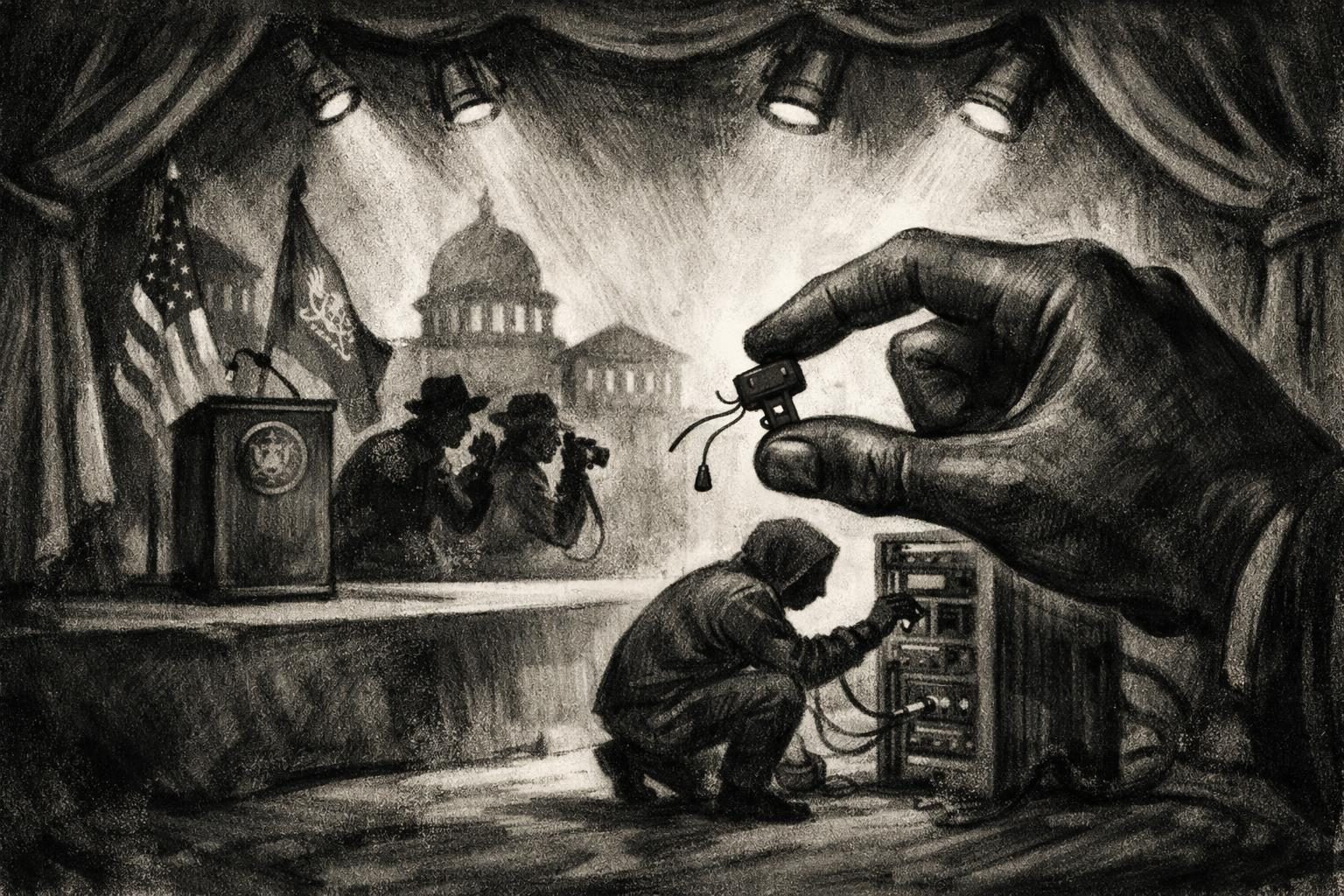
Federal prosecutors in Northern California say they have arrested and charged a Saudi national who had worked as an engineer at OpenAI after what they describe as an investigation into a surreptitious audio recording device. According to the government’s announcement, the defendant was taken into custody on October 13 and made an initial court appearance the same day. Prosecutors say he is accused of using or attempting to use a device to intercept oral communications, a charge that immediately pulls a routine criminal case into the much larger orbit of tech security and national-security anxiety. The allegation is serious, but it is still only an allegation at this stage, and the public record offered so far appears to be limited to the government’s account. Even so, the fact that the defendant reportedly worked inside one of the most closely watched AI companies in the country is enough to make the case resonate far beyond the courthouse.
The timing could hardly be more awkward for a company and an industry that have spent the past year being treated in Washington like strategic assets. OpenAI sits near the center of the national conversation over frontier artificial intelligence, and the company’s influence has only grown as federal officials have leaned harder into the idea that the United States must dominate the next generation of advanced computing. The administration’s preferred language has leaned heavily on the promise of “super intelligence,” a phrase meant to signal ambition but one that also underscores how much political capital is now attached to these firms. That makes any claim of internal security failure more than just a personnel matter. If the allegations hold up, the case would suggest that the same organizations being praised as engines of innovation can also be vulnerable to old-fashioned, low-tech forms of espionage and intrusion. In other words, the hardware may be cutting edge, but the risks are as classic as a hidden microphone.
That tension is what gives the case its broader political and policy significance. The federal government has spent months trying to frame advanced AI as both a national priority and a national advantage, while also encouraging the public to trust that the ecosystem around it can be responsibly managed. A case like this cuts against that message by highlighting how messy and porous high-value tech environments can be. Firms at the frontier depend on a complicated mix of employees, contractors, vendors, visitors, devices, and internal permissions, all of which can create opportunities for mistakes or misconduct. If prosecutors ultimately prove their allegations, it could sharpen questions about how much access is too much access, what kinds of monitoring and screening are actually used inside elite tech companies, and how prepared those companies are for threats that do not look like a sophisticated cyberattack at all. The embarrassment is not limited to one employer either. Any company operating in a sector now treated as strategically vital has to worry that its internal controls will be judged not just as private corporate housekeeping, but as part of the country’s broader security posture.
There is also a symbolic layer here that makes the case politically useful to almost everyone watching it. For officials eager to stress vigilance, it is a chance to argue that tech security deserves the same seriousness as other forms of national security enforcement. For critics of the current policy mood, it is another example of how quickly the government is willing to celebrate a technology boom while lagging on the practical burdens that come with it. The case can be read as evidence that the race for AI supremacy is producing a lot of rhetoric and not enough institutional discipline, especially if a workplace associated with the nation’s marquee AI ambitions can allegedly be compromised by something as simple as a recording device. It also feeds a broader skepticism about whether Washington’s excitement over innovation is outrunning its capacity to police the risks, a concern that is becoming increasingly familiar as policymakers try to promote the same industry they are also supposed to regulate. In that sense, the defendant’s alleged conduct matters well beyond the particulars of one arrest, because it lands squarely in the middle of the argument over whether the United States can both champion and secure the technology it says will define the future.
Comments
Threaded replies, voting, and reports are live. New users still go through screening on their first approved comments.
Log in to comment
No comments yet. Be the first reasonably on-topic person here.