
Trump’s Putin diesel deal sparks bipartisan backlash and a fresh sanctions headache
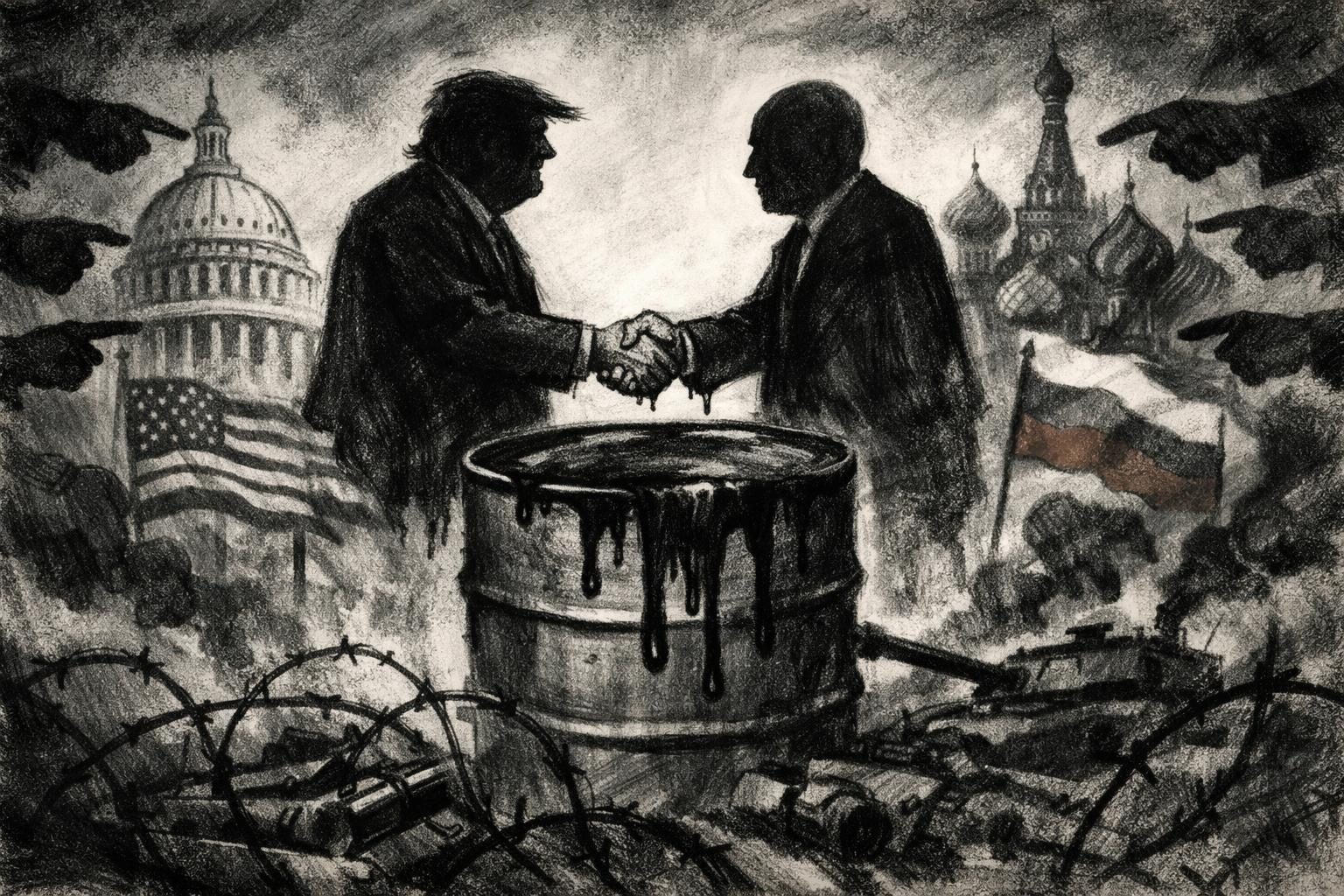
President Trump’s surprise arrangement to bring Russian diesel into the United States has set off a rare bipartisan backlash in Washington, where lawmakers from both parties are suddenly speaking in nearly the same tone: wary, irritated, and deeply skeptical. The deal, which the White House has framed as a way to ease fuel prices, comes at an especially volatile moment in the war in Ukraine and lands squarely inside an already fraught debate over sanctions, energy security, and the political price of looking soft on Moscow. For critics, the problem is not simply that Russian fuel is involved. It is that the move appears to invite a kind of normalization with Vladimir Putin that many in Congress thought had been politically discredited years ago. The result is a self-inflicted foreign-policy headache with immediate messaging problems and potentially bigger legal ones. Even before the details are fully clear, the optics alone have given Trump’s opponents a fresh opening.
What makes the reaction so striking is that it cuts across the usual partisan fault lines. Republicans who have spent years portraying themselves as the toughest voices on Russia are now being asked to explain why this deal should be treated as anything other than a dangerous exception that risks weakening the broader sanctions regime. Democrats, meanwhile, are arguing that Congress already drew clear lines around Russian energy after the invasion of Ukraine, and that the president cannot simply steer around those restrictions because doing so might be politically convenient. The frustration is not just about fuel. It is also about what the arrangement says to allies, to the Kremlin, and to a domestic audience that is used to hearing “America First” described as a doctrine of strength rather than improvisation. Lawmakers warning about the deal say it sends the opposite message: that the United States is willing to muddle its own policy if it can shave costs at the pump. That is a hard sell in a capital where sanctions enforcement is supposed to be a serious tool of statecraft, not a talking point.
The legal and policy concerns are where the backlash could become more than just a political squabble. Members of Congress are pointing to statutory restrictions and long-standing policy commitments tied to Russia’s war in Ukraine, suggesting that the administration may be stepping into territory where it will have to justify itself not only politically but also in court or before regulators. That is one reason the language around the deal has become unusually blunt. The idea that the United States can take Russian diesel while maintaining a hard line against Russian aggression sounds neat in a campaign speech, but it looks much messier when measured against sanctions law and the mechanics of enforcement. If the administration believes the arrangement is allowed, it may eventually have to spell out that argument in detail. If it is not, the White House could be forced to retreat, which would create its own embarrassment and underline the perception that the whole move was rushed. Either way, the episode has already become a test of whether Trump’s instinct for transactional politics can coexist with the legal structure built around the Ukraine war. For critics, the answer is increasingly that it cannot.
There is also a larger strategic cost that lawmakers are eager to highlight. Sanctions are not just symbolic punishment; they are supposed to limit Moscow’s revenue, constrain its war machine, and signal that the United States will not casually undercut its own leverage. A deal that brings Russian diesel into the American market risks handing Putin a propaganda gift at exactly the wrong time, allowing the Kremlin to claim that even Washington cannot resist doing business when the price is right. That argument may be especially potent because it comes amid a war that has already exacted an enormous human toll and continues to rely on Western unity for pressure. Trump’s allies may see the fuel arrangement as a pragmatic response to domestic price concerns, but critics see a much uglier trade-off: short-term economic relief in exchange for confusion about U.S. resolve. That is why the move is drawing warnings from both parties, even among people who rarely agree on much else. The sense in Washington is not merely that the deal is risky. It is that it hands Russia an absurdly useful talking point while opening Trump to accusations that his idea of leverage is simply to make the nearest deal and sort out the consequences later.
The political fallout may still depend on how the administration explains the arrangement and whether any legal challenge emerges, but the immediate damage is already visible. Trump has once again put himself in a position where critics can frame his dealmaking style as reckless improvisation rather than smart negotiation. If the deal survives scrutiny, it could deepen concerns that the administration is willing to trade away strategic credibility for a modest price benefit that may not even last. If it runs into legal trouble, it will reinforce the view that the White House tried to force a shortcut through a policy area where Congress has already set limits. Either way, the episode gives Democrats and skeptical Republicans a rare shared target and creates another distracting fight over Russia at a time when the war in Ukraine is still unresolved. It also raises a broader question that is likely to haunt the administration as long as this issue remains alive: when Trump talks about America First, does he mean a disciplined national strategy, or just whatever deal looks best in the moment? On this question, at least for now, Washington seems to have answered with a nearly unanimous shrug of alarm.
Comments
Threaded replies, voting, and reports are live. New users still go through screening on their first approved comments.
Log in to comment
No comments yet. Be the first reasonably on-topic person here.