
Bipartisan senators demand Trump undo the Russian diesel deal and enforce sanctions
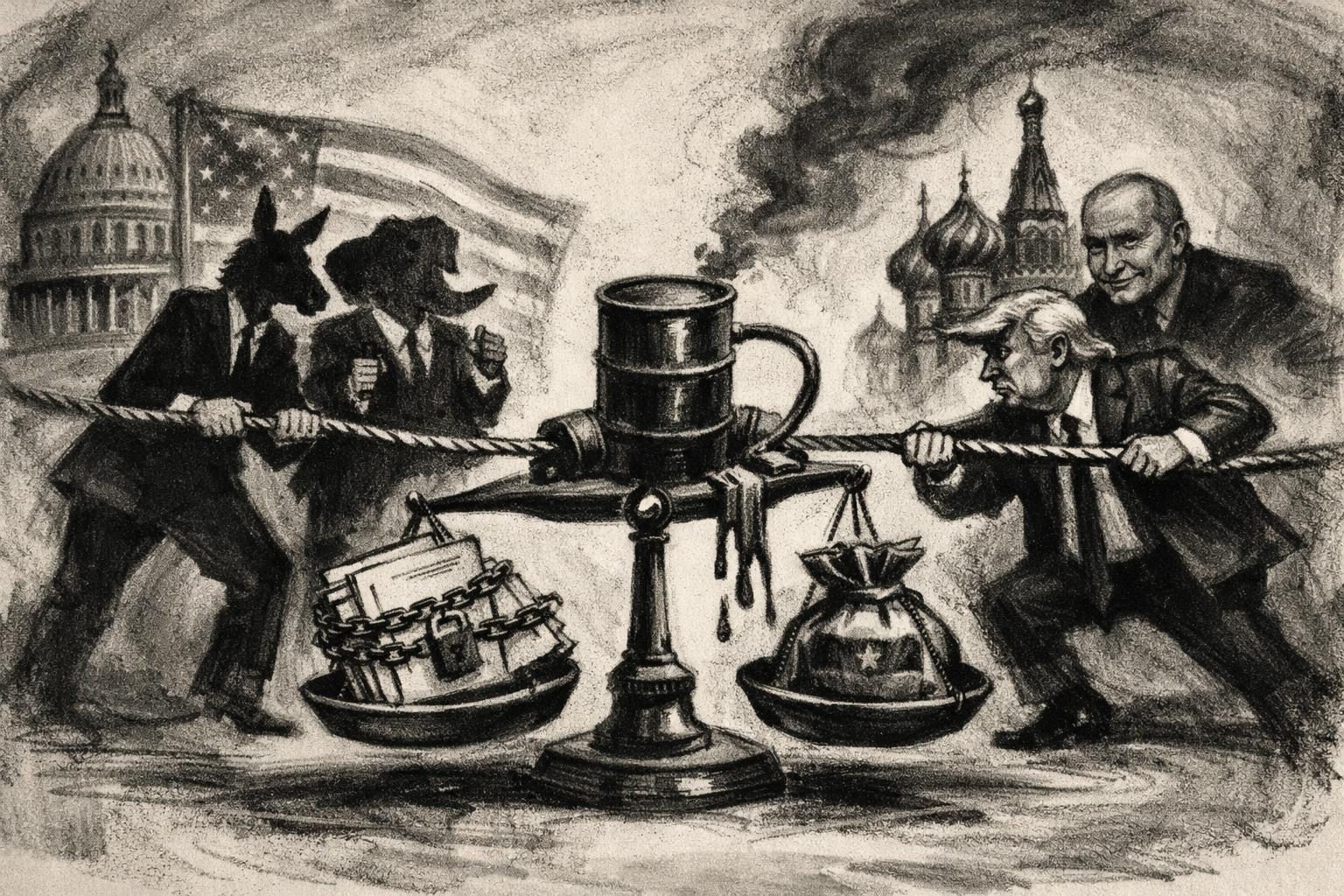
A bipartisan bloc of senators is pressing President Trump to undo his newly announced arrangement with Vladimir Putin that would allow Russian diesel into the market, while also demanding that the administration begin enforcing sanctions Congress authorized last month. In a sharply worded letter dated October 13, lawmakers from both parties argued that the White House is moving in the opposite direction from what Congress intended when it approved additional pressure on Moscow. The political meaning of the note matters as much as the policy dispute itself. This is not a routine partisan scolding from one side of the aisle, but a public warning from senators who appear to think the administration has crossed from tactical flexibility into open contradiction of U.S. law and strategy. In Washington, those are two very different things, and the second tends to invite far more trouble.
The immediate controversy centers on the diesel deal, but the broader complaint is about sanctions enforcement and whether the administration is treating it as optional. Sanctions on Russia are supposed to constrain the Kremlin’s ability to finance and sustain its war effort, which means even seemingly narrow exceptions can have wider consequences if they loosen pressure at the wrong moment. The senators’ demand suggests they believe the arrangement with Putin gives Moscow a commercial advantage while diluting the leverage Congress just tried to strengthen. That accusation is especially sensitive because it cuts against one of the basic premises of sanctions policy: that the executive branch will use the tools Congress gives it, not quietly trade them away. If lawmakers are right, then the problem is not only the diesel itself but the signal it sends about how seriously the administration intends to police the sanctions regime going forward.
The fact that this is a bipartisan rebuke makes it more significant than a standard opposition attack. When senators from different camps unite around a sanctions complaint, it usually means the disagreement has moved beyond ordinary ideological friction and into a question of institutional credibility. Congress, in this case, appears to be saying that the White House is undercutting the law at the very moment it should be reinforcing it. That creates an awkward split between the legislative branch and the executive branch on a matter directly tied to foreign policy and wartime pressure. It also complicates Trump’s political argument if he is trying to present himself as tough on Moscow while simultaneously allowing an opening that critics can frame as a concession. Even if the administration argues the deal serves a larger strategic purpose, the burden is now on it to explain why easing one form of pressure does not weaken the broader sanctions architecture.
For Trump, the dispute is likely to become less about diesel and more about credibility, both at home and abroad. Allies watching Washington will read the episode as a test of whether the United States still enforces its own sanctions with consistency or whether those rules bend when diplomacy becomes convenient. Adversaries, meanwhile, will watch for signs that public commitments can be softened through selective enforcement or side agreements. That is why the senators’ letter carries weight beyond the immediate policy fight: it frames the issue as a clash over whether U.S. pressure on Russia is real or mostly rhetorical. If the White House refuses to reverse course, the administration could face additional scrutiny from lawmakers who are already signaling that they do not believe the current line is sustainable. And if the sanctions are not implemented as Congress authorized, the argument over Russia policy may become a larger fight over whether the president is respecting the law, honoring congressional intent, and preserving the credibility of U.S. leverage in a war that is still very much shaping global politics.
Comments
Threaded replies, voting, and reports are live. New users still go through screening on their first approved comments.
Log in to comment
No comments yet. Be the first reasonably on-topic person here.