
FTC and states seek contempt finding against Martin Shkreli
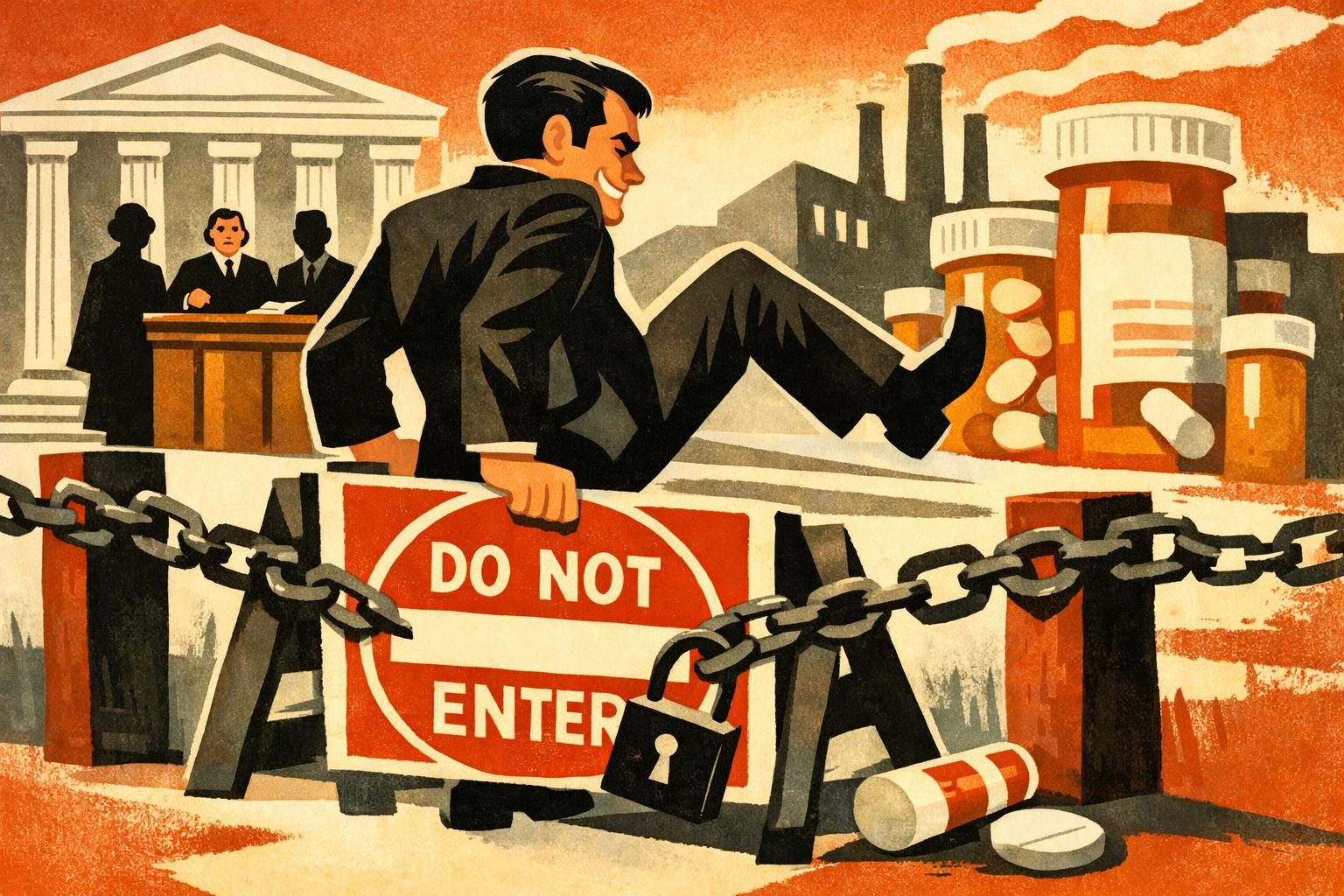
Federal regulators and a group of seven states have gone back to court asking a judge to find Martin Shkreli in contempt, arguing that he continued to violate a 2022 order that was supposed to keep him out of the pharmaceutical industry. The request, filed on October 13, is the latest chapter in a long-running effort to make a permanent ban mean something in practice, not just on paper. According to the filing, the government’s position is not that Shkreli wandered accidentally into a gray area, but that he repeatedly crossed a line the court had already drawn in unmistakable terms. That framing turns the dispute into more than a technical compliance issue. It becomes a test of whether a notorious white-collar defendant can treat judicial orders as advisory while the system keeps spending time proving otherwise.
The underlying order matters because it was meant to be a meaningful restriction, not a symbolic scolding. Regulators say Shkreli was barred from participating in the pharmaceutical industry after years of conduct that made him one of the most disliked figures in modern drug-pricing politics. The contempt motion suggests they believe he ignored that boundary anyway, forcing them to return to court rather than assume the injunction would police itself. In practical terms, a contempt finding would mean the judge concludes the order was real, clear, and knowingly defied. In political terms, it would be another reminder that enforcement is often the only thing standing between a lifetime ban and a shrug. If someone with Shkreli’s reputation can behave as though the restriction does not apply, then every similar order starts to look a little softer than it should.
That is why the filing has broader resonance beyond one man’s court habits. Pharmaceutical accountability is one of those issues that can flare up in public debate and then fade when the immediate scandal recedes. Drug pricing anger never really disappears, but the energy behind enforcement can weaken unless agencies keep pressing the point in court. The FTC and the states are effectively arguing that this is not a time to let fatigue set in. They are not only seeking punishment for past conduct; they are also trying to preserve the credibility of permanent restrictions as a tool for keeping repeat offenders away from industries where trust is already thin. The message is blunt even if the legal language is not: a ban that can be ignored without consequence is just an expensive suggestion. And if that becomes the norm, it is not only Shkreli who benefits. Everyone who treats regulatory discipline as optional gets a fresh incentive to test the boundaries.
The case also lands with the kind of cultural baggage that makes it impossible to discuss Shkreli in a neutral way. He remains a shorthand for the worst excesses of pharmaceutical arrogance, the sort of figure who turns market abuse into a public morality play. That reputation can distort the conversation, because it tempts people to focus on the spectacle rather than the legal mechanics. But the mechanics are the point here. The government says it has evidence that the conduct continued after the industry ban, and it is asking the court to decide whether that rises to contempt. If the court agrees, the consequences could include coercive sanctions designed to force compliance and reinforce the original injunction. If the court rejects the motion, regulators will still have made their argument that enforcement takes persistence, not optimism. Either way, the episode is a reminder that the legal system’s authority depends on follow-through. For all the noise around Shkreli’s name, the real question is whether a court order can still command obedience from someone famous for acting as though rules were written for other people.
Comments
Threaded replies, voting, and reports are live. New users still go through screening on their first approved comments.
Log in to comment
No comments yet. Be the first reasonably on-topic person here.