
Supreme Court Agrees to Hear DOGE Records Fight
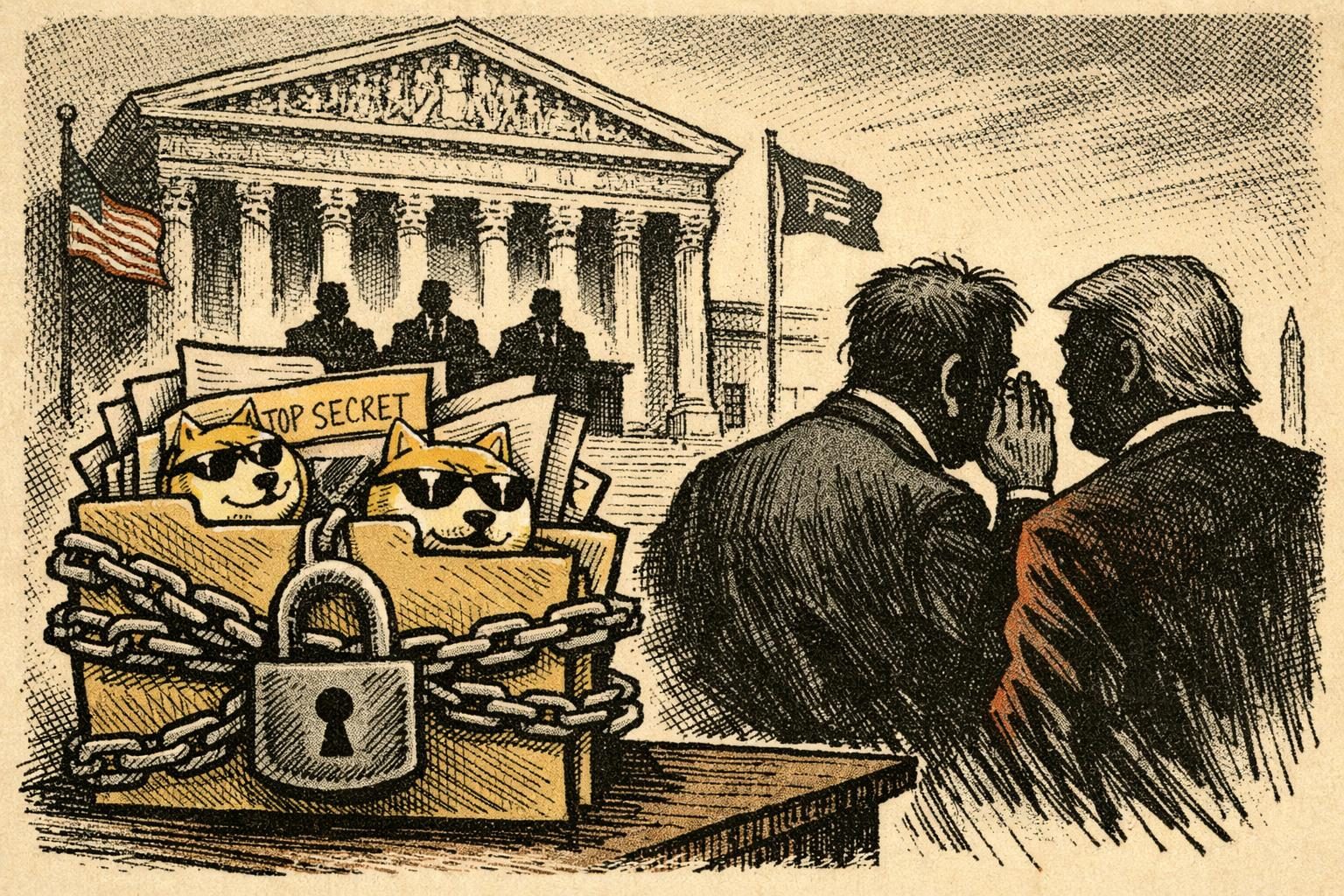
The Supreme Court on Oct. 13 agreed to hear a records dispute tied to Elon Musk’s DOGE effort and the U.S. DOGE Service, putting a lower-court fight over public access on the Court’s docket without deciding who ultimately wins. The case comes from Citizens for Responsibility and Ethics in Washington, which has pressed for records from DOGE and related offices after arguing they were performing government work while resisting disclosure. The justices’ order is a procedural step, not a ruling on whether those records must be turned over. ([supremecourt.gov](https://www.supremecourt.gov/orders/ordersofthecourt?utm_source=openai))
The underlying case turns on a basic question with a messy modern twist: when a presidentially created operation is embedded in the executive branch and staffed to carry out government business, how much of its paper trail belongs to the public? CREW’s filing says the Trump administration created the U.S. DOGE Service, a temporary DOGE structure inside it, and DOGE teams at federal agencies to push the president’s efficiency agenda. The dispute in the Supreme Court asks whether records tied to that setup are covered by the transparency rules CREW invoked in the lower courts. ([supremecourt.gov](https://www.supremecourt.gov/DocketPDF/25/25-1103/413718/20260622110807684_DOGE%20v.%20CREW%20BIO.pdf?utm_source=openai))
The Court’s action does not settle DOGE’s legal status, and it does not say CREW is right on the merits. It means the justices will review the records dispute themselves instead of leaving the lower-court ruling in place. That matters because the case could clarify how disclosure law applies to a government structure that was designed to move fast, operate across agencies, and keep enough distance from ordinary bureaucracy to make its accountability harder to pin down. ([supremecourt.gov](https://www.supremecourt.gov/orders/ordersofthecourt?utm_source=openai))
The timing is also important. The Court’s order came on Oct. 13, 2026, even though the case will continue into later stages from there. For now, the only firm fact is narrow: the Supreme Court agreed to hear the dispute. Everything else — including whether the DOGE-related records must be released — is still to come. ([supremecourt.gov](https://www.supremecourt.gov/orders/ordersofthecourt?utm_source=openai))
Comments
Threaded replies, voting, and reports are live. New users still go through screening on their first approved comments.
Log in to comment
No comments yet. Be the first reasonably on-topic person here.