
Supreme Court’s October docket keeps the pressure on a pile of political fights
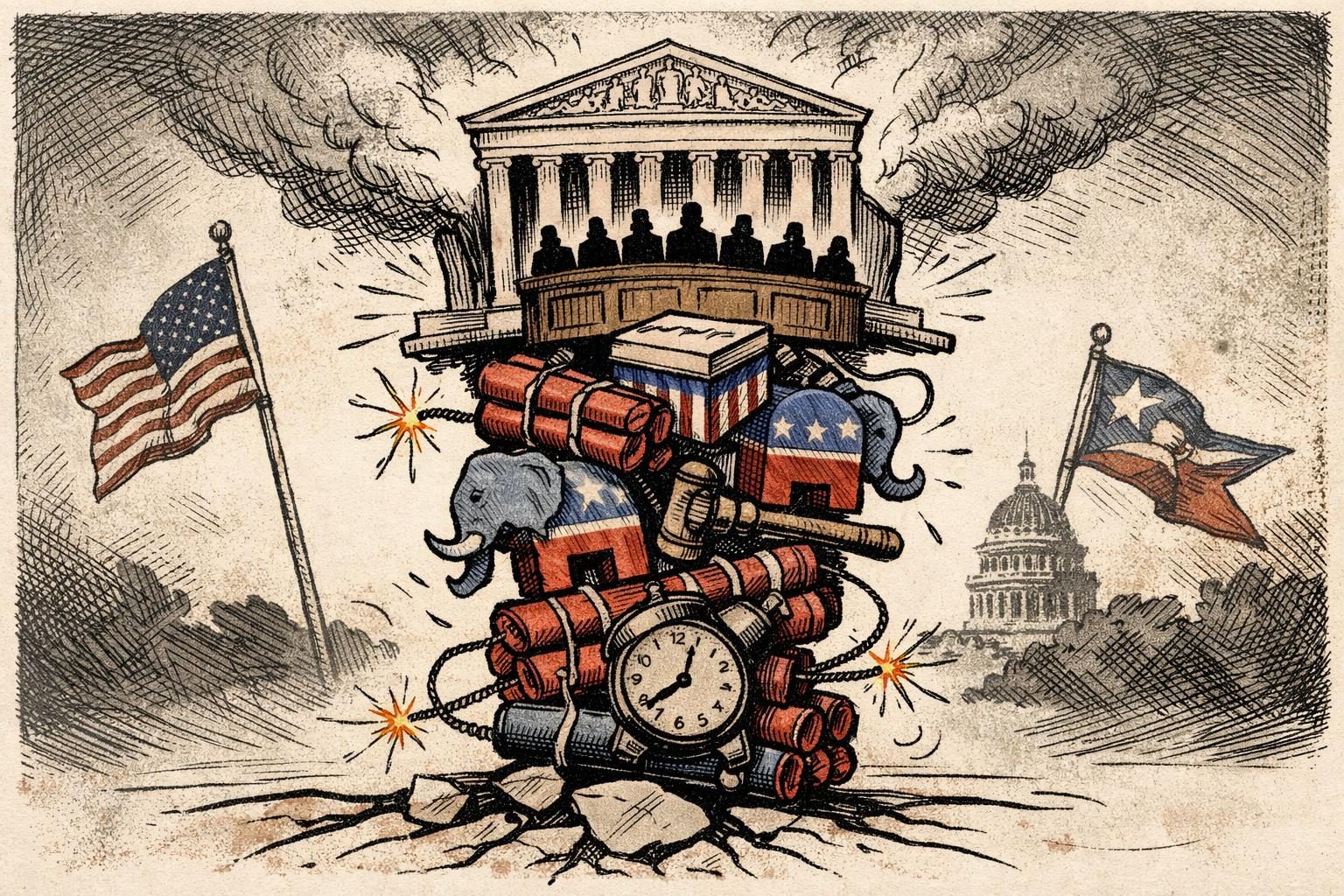
The Supreme Court’s October 13 orders page and hearing calendar show a Court that is still very much in motion, even if the biggest implications are felt less in a single dramatic ruling than in the slow accumulation of scheduling choices, procedural steps, and future argument dates. That may sound bureaucratic, but at the moment the bureaucracy is the story. Each new order list and each update to the hearing calendar is now watched like a political weather report because so many of the disputes landing before the justices are tied to the country’s deepest partisan fights. The result is a docket that does not simply reflect legal administration; it helps define the tempo of the national argument. The October calendar suggests that the Court is continuing to manage a set of cases that will reverberate well beyond the bench, including major disputes that trace back to the Trump era and its aftermath.
What makes this docket especially consequential is that it is not limited to one marquee case or one clean constitutional question. Instead, the Court is handling a stack of politically charged matters through the ordinary machinery of orders, briefing schedules, and argument settings, which has become its own kind of governing system. In practical terms, that means some disputes are moving quickly, some are being held back, and some may be shaping public policy long before any final opinion is issued. For the Trump administration and its allies, the Court can still function as a possible backstop against lower-court resistance or political reversal. For opponents, the same docket represents a reminder that many of the country’s most important fights are no longer being settled through legislation or negotiated compromise. They are being routed into emergency applications, narrow procedural rulings, and compressed argument schedules that often leave little room for the sort of broad democratic debate these issues would normally require.
The October 13 orders and hearing list also underscore how much the Court’s calendar itself has become politically meaningful. In another era, a docket update might have seemed like inside-baseball housekeeping, the kind of thing only lawyers and court watchers cared about. That is no longer the case. Now the timing of arguments, the decision to set a matter for review, and the decision to leave a case lingering on the shadow docket all carry real political weight because they can affect elections, executive authority, agency action, and public trust in the legal system. The justices are not creating the underlying conflicts, but they are deciding how and when those conflicts will be channeled through the judicial system. That alone makes the Court a central player in a broader era of institutional strain. When routine paperwork becomes a front-page development, it is usually because the surrounding political order has become too unstable to absorb its own disputes in a normal way.
That is the larger significance of the Court’s current October posture. The immediate fact is modest: the justices issued orders on October 13 and maintained a hearing calendar that keeps important disputes on the path toward argument. But the modest fact sits inside a much larger political pattern. The Court is being asked to referee arguments that, in a healthier system, would likely be resolved by clearer statutes, more durable administrative rules, and elected branches willing to take responsibility for hard choices. Instead, the judiciary is increasingly the place where unresolved national conflict goes to be managed, delayed, or briefly contained. That does not mean every case on the docket will become a defining constitutional moment, and it does not mean every politically loaded dispute will end with the same outcome. It does mean the Court’s ordinary operations are now part of the daily machinery of governance, and in this moment that machinery is running under constant stress. The October schedule is therefore more than a calendar note. It is another sign that the country’s political fights continue to spill into the legal system, where the justices’ timing, posture, and willingness to take up a case can shape the next phase of the battle just as much as the final merits ruling.
Comments
Threaded replies, voting, and reports are live. New users still go through screening on their first approved comments.
Log in to comment
No comments yet. Be the first reasonably on-topic person here.