
Supreme Court takes up Musk-era DOGE records fight
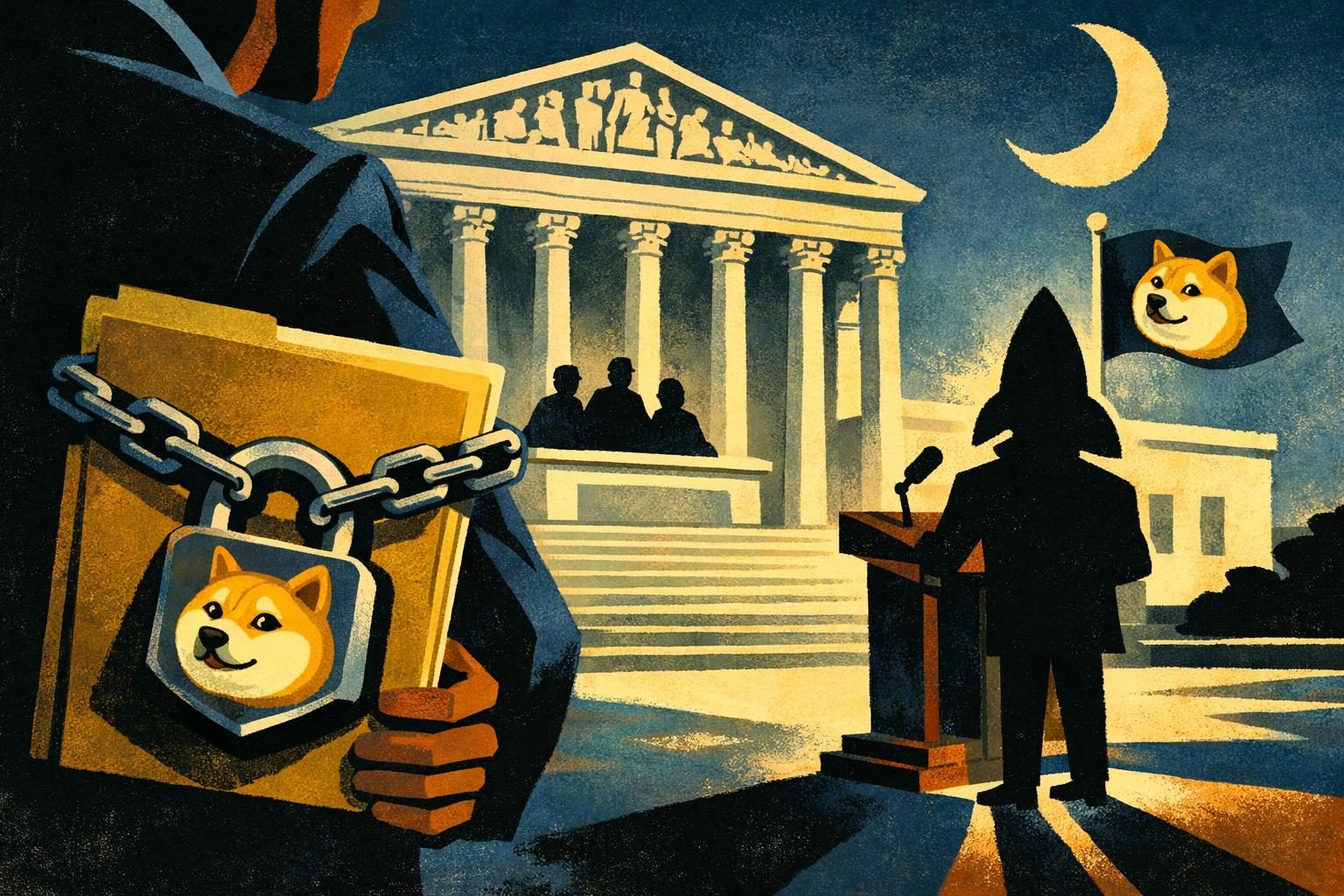
The Supreme Court has agreed to take up a fight over public records tied to Elon Musk’s Department of Government Efficiency, pushing one of the Trump administration’s most closely watched secrecy disputes into a venue where the stakes are both legal and political. The case grows out of a transparency challenge by watchdog groups seeking access to documents that could show how DOGE has been organized, staffed, and operated inside the administration. For now, the court’s decision does not settle whether those records must be released, but it does ensure that the issue will receive a full hearing at the highest level of the federal judiciary. That alone gives the dispute a seriousness it did not have while it was moving through lower courts and administrative channels. It also prolongs a fight that has become symbolically important well beyond the narrow question of records access.
The records battle has taken on outsized significance because DOGE has come to represent a particular style of government: aggressive, fast-moving, and deeply resistant to outside scrutiny. Supporters of the effort portray it as a hard-edged attempt to improve federal performance and strip away waste, but critics say its actual behavior has often been to demand trust while refusing disclosure. That tension is exactly what makes the public-records case so consequential. If the government is asking the public to accept that DOGE is simply a technocratic efficiency operation, then the existence of an open records dispute invites a much less flattering interpretation. The secrecy issue is not a side note here; it goes to the core of how the initiative is presented and how much evidence there is to support that presentation. In that sense, the lawsuit is about more than paper and emails. It is about whether a powerful internal project can remain largely unexamined while shaping how the administration operates.
Watchdog groups and transparency advocates have long argued that DOGE’s structure and the way it has been embedded inside the executive branch make public oversight especially important. They want records that could help answer basic questions about decision-making, authority, and who exactly has been directing the operation. The administration, by contrast, has every incentive to argue for broad secrecy and to frame the matter as one involving internal deliberations, executive control, or other legal protections that can keep documents out of public view. The justices did not address those claims when agreeing to hear the case, so the legal merits remain unresolved. Still, the court’s willingness to engage suggests that the dispute is not being treated as a routine procedural squabble. A decision on access could affect not only this particular program but also how aggressively future administrations can shield politically sensitive initiatives from disclosure.
The political implications are awkward for the White House regardless of how the eventual ruling turns out. Even the fact that the government has to defend secrecy around a high-profile efficiency initiative can reinforce the suspicion that DOGE is being protected from the same sunlight that would accompany a standard reform effort. Lawmakers and oversight advocates looking for leverage are likely to use the case as another reminder that the administration has not fully explained what DOGE is doing or why it needs this level of insulation. If the court seriously weighs the public interest in disclosure, that pressure could intensify, particularly if the case forces officials to defend broad claims about confidentiality in a context where the public is already skeptical. For an administration that has leaned heavily on branding and message discipline, the optics are not ideal. The Supreme Court has not yet said who will win, but by taking the case it has already ensured that DOGE’s secrecy problem will remain in the spotlight for months to come.
Comments
Threaded replies, voting, and reports are live. New users still go through screening on their first approved comments.
Log in to comment
No comments yet. Be the first reasonably on-topic person here.