
Supreme Court opens the day with a fresh argument calendar and the same constitutional fire alarm
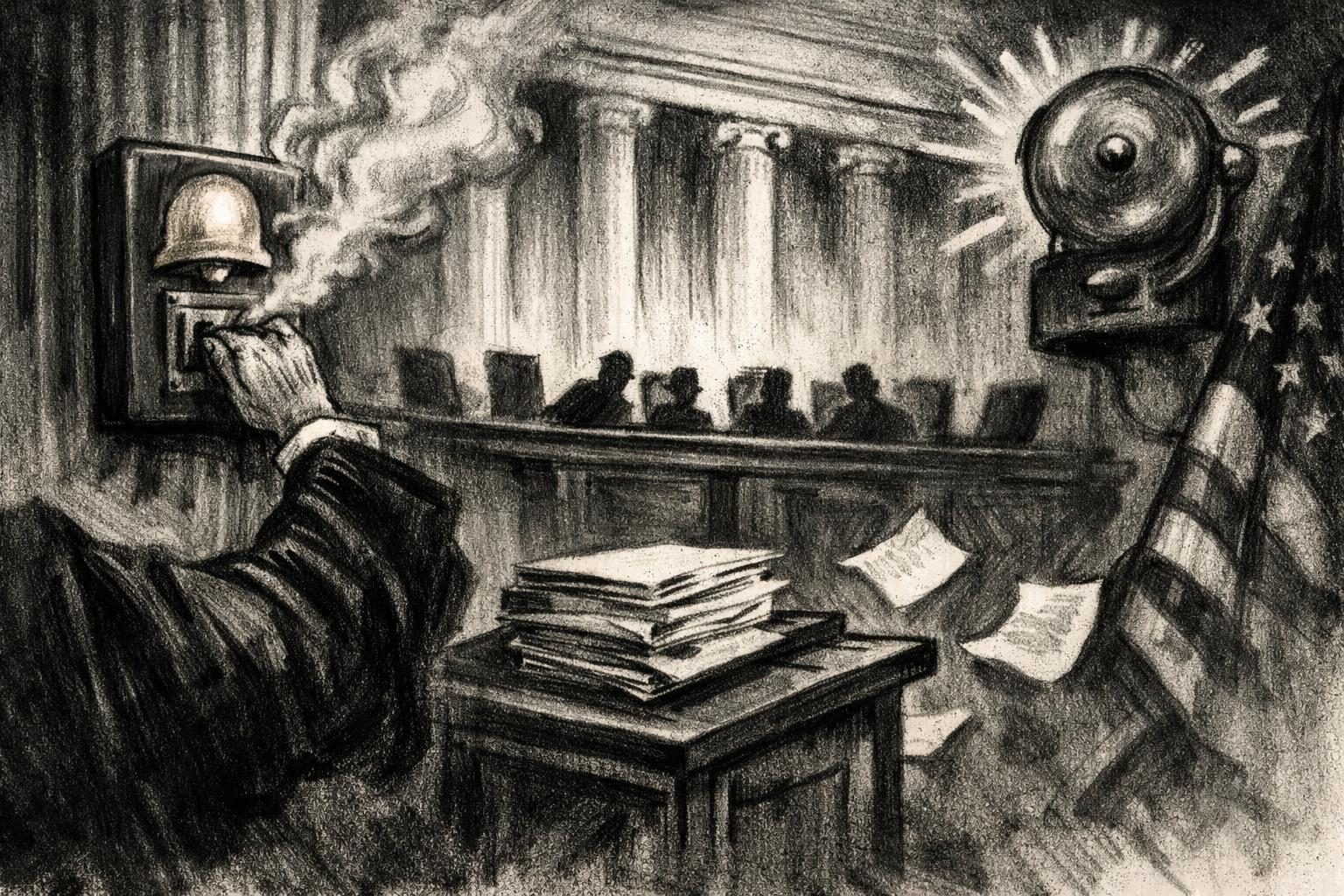
The Supreme Court’s public calendar for October 13 puts the justices back in open court with the sort of understated activity that rarely moves on television but often matters far more than the day’s commentary suggests. According to the Court’s posted schedule, the morning includes the release of an order list and a single oral argument, a combination that signals active management of the term rather than a ceremonial appearance. It is not a ruling day in the dramatic sense, and it does not promise an immediate constitutional earthquake. Still, in a term like this one, the simple fact that the Court is hearing argument and issuing orders is itself a meaningful current event because it tells lawyers, agencies, and litigants the machine is still humming. When the nation’s most consequential legal disputes are orbiting the Court, even a routine session can carry outsize weight.
That matters because the Supreme Court is not operating in a vacuum. The 2026 term is unfolding against a backdrop of major fights over executive power, elections, immigration, and the reach of federal administration, all of which can wind up on the justices’ desks in one procedural form or another. An order list may look mundane to the public, but for people waiting on the Court, it can mean stays, emergency relief, briefing schedules, or signs that a case is moving faster than expected. A single argument can also frame questions that later ripple outward into agency policy, state enforcement, and lower-court litigation across the country. The Court’s calendar, in that sense, is less a set of dates than a map of pressure points. When the justices gather in public session, they are not merely marking time; they are showing where the next constitutional conflicts may be forced into focus.
The stakes are especially high because modern governance increasingly runs through the Court when political branches cannot or will not settle disputes on their own. Recent months have shown how much can turn on emergency applications, stays, shadow-docket activity, and short orders that arrive without the kind of lengthy explanation most observers expect from a court of last resort. That pattern has made the justices central to questions that once might have been handled through legislation, agency rulemaking, or presidential bargaining. For supporters of the current political order, the Court may look like a necessary backstop that can keep federal power within legal limits or prevent administrative chaos. For critics, the Court can look like the place where national instability gets converted into legal doctrine, often with limited transparency and enormous consequences. Either way, the October 13 calendar is another reminder that the Court’s role is not abstract. Its docket can alter policy in ways that become visible almost immediately, even if the merits of those disputes remain unresolved.
That is why a morning with one oral argument and an order list deserves more attention than it usually gets. It does not guarantee a landmark opinion, and it certainly does not settle the larger conflicts already pressing on the country. But it does confirm that the Court is in active session, handling live matters that may shape the next phase of legal and political conflict. The justices may move slowly by the standards of cable-news urgency, yet their pace can still produce abrupt consequences for agencies, states, and private parties trying to plan around the law. A Supreme Court calendar is not a decorative schedule, and it is not merely a relic of judicial routine. It is where national power gets checked, redirected, and occasionally left in a state of managed suspense. On October 13, that machinery is visibly on display again, and in the current political climate, that is enough to matter."}]}
Comments
Threaded replies, voting, and reports are live. New users still go through screening on their first approved comments.
Log in to comment
No comments yet. Be the first reasonably on-topic person here.