
Trump’s refugee crackdown gets a fresh push as the clock gets shorter
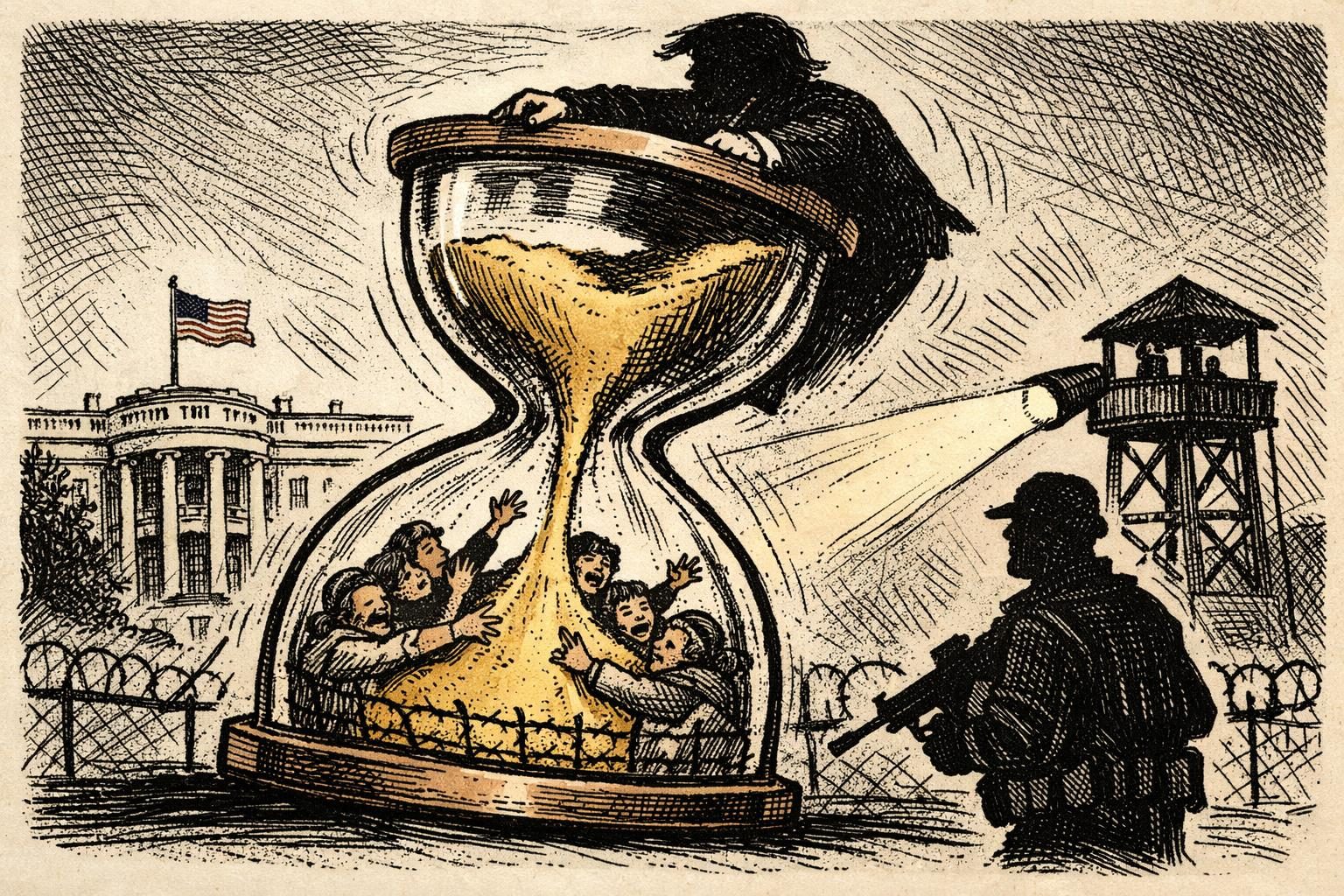
The Trump administration is moving to give refugees less time to challenge the termination of their status, a step that could push some people more quickly toward deportation after they have already fled violence, persecution, or war. The change was announced Tuesday and immediately drew criticism from advocates who say it will make it harder for refugees to understand what is happening, assemble the documents they need, and find a lawyer before the clock runs out. On paper, the adjustment may look like a narrow procedural tweak. In practice, it alters the pace of a process that can determine whether a family is allowed to remain in the United States or is sent back into danger. That is why the policy has landed as more than an administrative housekeeping measure. It is a decision about how much time vulnerable people get to defend a legal status that can mean safety, stability, and in some cases survival.
For refugees, deadlines are not abstract. Many are navigating a system in which language barriers, trauma, limited access to records, and uncertainty about what paperwork means are already serious obstacles. Shortening the window to appeal a termination decision increases the risk that people will miss a critical filing deadline before they even realize what has happened. That, in turn, can accelerate removal proceedings and reduce the chance that a person will be able to stop deportation before it begins moving forward. Advocates are likely to argue that the policy will hit hardest where the system is already hardest to navigate, especially for people who do not have immediate access to legal counsel. The administration, by contrast, is likely to present the change as a way to speed up processing, reduce delay, and make the system more efficient. But efficiency is not a neutral value when it comes at the expense of review. In immigration cases, a shorter timeline can function less like a management tool and more like a barrier to due process.
The controversy also fits a broader pattern in the Trump administration’s approach to immigration, which has often emphasized speed, deterrence, and enforcement over individualized review. Supporters of tougher rules routinely argue that tighter deadlines can help prevent abuse and force faster decisions in a system they say is overwhelmed. Critics respond that the same changes can make mistakes harder to catch and leave genuine refugees with too little time to defend themselves. That tension is especially sharp here because refugees are not simply people seeking a benefit; they are individuals who have already been screened and recognized under a system designed to protect those fleeing persecution. Narrowing the opportunity to challenge the loss of that protection raises obvious questions about fairness and accuracy. If a person loses status because they missed a deadline, the result may be legally final long before the facts of the case are fully aired. And when the government is the one changing the deadline, the concern is not just that the system is strict, but that it is becoming unforgiving in a way that can produce irreversible harm.
The change is also likely to face legal and political scrutiny, even if the administration argues it is simply tightening procedure. Immigration policy changes that affect access to relief often end up tested in court, particularly when advocates believe the government has tilted the process too far against people seeking protection. A shorter appeal period could become part of a broader fight over how much process refugees are owed before their status is taken away. That fight is not just about paperwork or timing. It is about whether the government can strip away a safeguard while still claiming the system remains fair. For the families affected, the consequences are immediate and concrete: fewer days to find help, fewer days to gather evidence, and fewer days to make the case that termination would be wrong. The administration may see this as a hard-edged but necessary correction to the system. Opponents will likely see something much harsher: a deliberate narrowing of the door for some of the most vulnerable people in the immigration process, at precisely the moment when they need time the most.
Comments
Threaded replies, voting, and reports are live. New users still go through screening on their first approved comments.
Log in to comment
No comments yet. Be the first reasonably on-topic person here.