
Treasury rolled out a new batch of sanctions moves
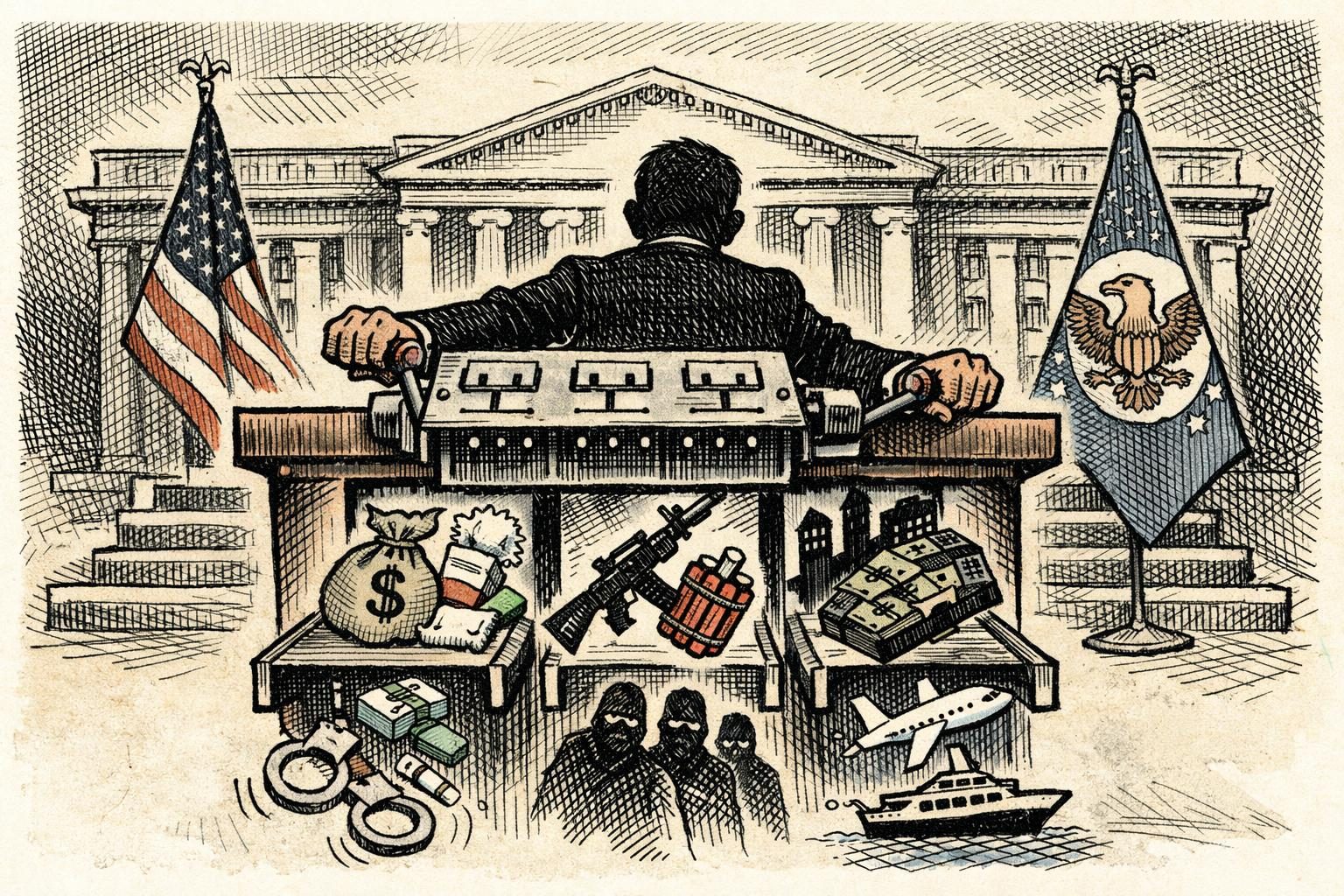
Treasury’s Office of Foreign Assets Control spent October 13 doing what it has done with increasing regularity this year: adding new names, entities, and program actions to the sanctions machinery that sits at the center of U.S. financial enforcement. The latest update covered counter-narcotics trafficking and counterterrorism designations, part of a steady stream of sanctions list changes that Treasury has been moving through its public-facing pages and program notices. On its face, that can look like routine administrative churn, the kind of update that only compliance teams, lawyers, and sanctions specialists notice in real time. In practice, though, each entry has a much sharper purpose. OFAC’s job is to identify networks it believes are tied to illicit activity and then cut them off from the U.S. financial system, a move meant to make it harder for those actors to move money, buy goods, and keep their operations functioning.
That is why even a relatively modest sanctions update deserves attention. These actions are not just symbolic statements about disapproval, and they are not political placeholders designed to satisfy a headline cycle. They are financial choke points, built to pressure banks, counterparties, shipping firms, insurers, brokers, and anyone else who might accidentally or deliberately do business with a blocked person or company. Once a target lands on OFAC’s list, the practical burden shifts outward to the private sector, which has to decide whether a transaction is clean, whether an ownership trail is too risky, and whether a relationship could trigger penalties. In that sense, the sanction itself is only the first step. The real force comes from the compliance reaction it sets off across the global financial network.
The broader pattern here is just as important as the individual designations. Treasury has been leaning on sanctions as one of its most visible national security tools, and the department has only become more central to foreign-policy enforcement as the U.S. tries to disrupt criminal and militant finance without relying on military force. That shift has been building for years, but it becomes especially obvious when the government is targeting counter-narcotics and counterterrorism threats through financial restrictions rather than arrests or battlefield action. The approach is blunt, but that is partly the point. If officials believe a network is moving money for drug trafficking or terrorism, then freezing assets, blocking transactions, and warning the market can be faster and less escalatory than a more overt intervention. It is the policy equivalent of shutting off the electricity to a room instead of breaking down the door.
Still, sanctions are only as effective as the larger system around them, and that is where the harder questions always return. A designation does not automatically stop illicit finance, and it does not guarantee that the targeted network has been broken apart. Bad actors can adapt, move through shell companies, recruit new facilitators, and route transactions through jurisdictions that are less cooperative or slower to respond. That is why sanctions work best when they are paired with intelligence collection, law-enforcement follow-through, financial surveillance, and international coordination. The day’s update suggests the enforcement engine is still running, but it does not answer the more difficult question of whether every target is the right one or whether Treasury is moving quickly enough to stay ahead of the people it is trying to disrupt. Even so, a day that brings fresh counter-narcotics and counterterrorism sanctions is not just a clerical note. It is evidence that foreign-finance enforcement remains one of the federal government’s preferred ways of applying pressure, and for better or worse, that machinery still matters.
Comments
Threaded replies, voting, and reports are live. New users still go through screening on their first approved comments.
Log in to comment
No comments yet. Be the first reasonably on-topic person here.