
White House stages a fresh press-rollout push while the calendar says the new message machine is live
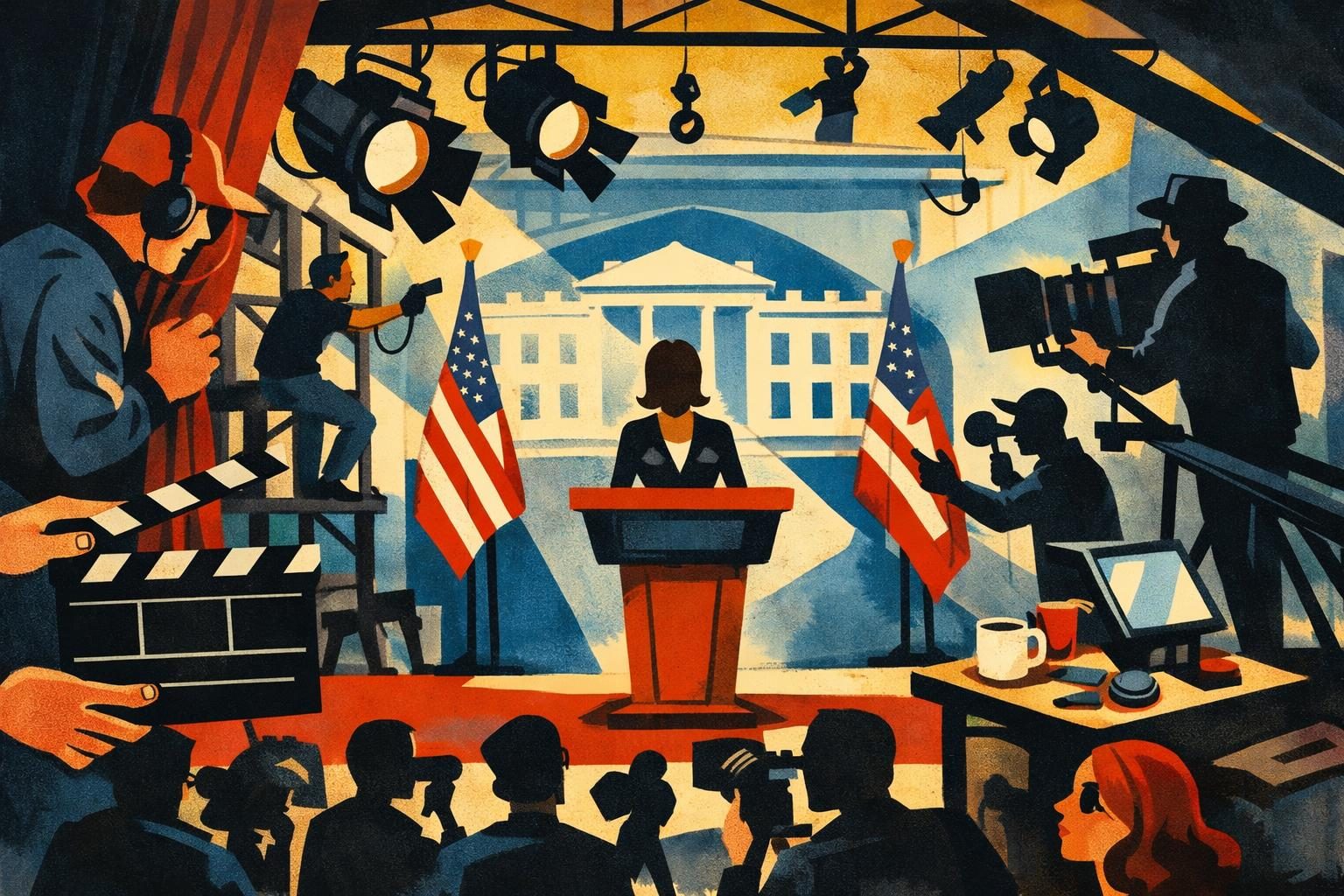
The White House used an Oct. 13 post on its official news page to announce Katie Zacharia’s inaugural briefing as the 37th White House press secretary, turning what could have been filed as a simple staffing update into a public reset of the administration’s communications shop. The item did more than identify a new name at the podium. It signaled that the White House wants the country, the press corps, and the rest of Washington to see the messaging operation as newly organized and fully open for business. That matters because the first briefing by a new press secretary is rarely just about introductions; it is often the administration’s first attempt to show how it plans to defend itself, explain itself, and move the daily conversation onto safer ground. In this case, the launch also makes the personnel change part of the story, which suggests the White House is not treating the transition as background bookkeeping but as a message in its own right.
Press briefings are where a White House tries to do a lot of things at once, and the role becomes especially important when an administration is looking to steady its image. The person at the podium is expected to answer for policy choices, absorb attacks, clarify confusing decisions, and project enough control to make the whole operation look deliberate. A new press secretary does not erase whatever problems are already hanging over the administration, but the appointment can change how those problems are framed in public. It can also change how forcefully the White House chooses to push back when criticism lands. That makes Zacharia’s first briefing a meaningful event even if the substantive policy agenda stays the same, because the tone and rhythm of the response can shape how allies and opponents interpret the rest of the day. In Washington, message discipline is not a cosmetic issue; it is often the first sign of whether the political operation thinks it is on offense, on defense, or somewhere awkwardly in between.
The White House’s timing also suggests that the administration wants the communications rollout itself to carry some weight. On the same day it highlighted the inaugural briefing, the official site featured other public-facing items that reinforced the sense of a coordinated push. That kind of sequencing is not unusual, but it is rarely accidental either. When an administration wants to introduce a new public face, it often tries to surround that introduction with content that looks orderly, confident, and busy enough to crowd out bad headlines. The strategy is simple enough: flood the zone, keep the language upbeat, and give the impression that the government’s story is the one worth following. Whether that works depends less on the polish of the website than on the political weather outside it. If the surrounding environment is calm, a fresh briefing can look like a clean transition. If the environment is already tense, the same rollout can look like a very formal attempt to manage damage. The White House appears to be betting that a new messenger, and a better-organized message machine, will help set the terms of debate before anyone else does.
Critics are likely to read the rollout more harshly, seeing it as evidence that the administration is still relying on presentation to compensate for deeper issues. That critique may or may not be fair, but it is part of the political reality the White House now has to navigate. A press secretary can sharpen answers and improve discipline, yet the podium cannot solve policy failures, internal disarray, or legal and political headaches that have already become public. What it can do is make the administration’s reply sound more coherent, or at least more practiced, which is often enough to alter the pace of the news cycle. The inauguration of Zacharia’s briefing therefore represents both a practical change and a symbolic one. Practically, it gives the administration a new front-line communicator. Symbolically, it tells the public that the White House believes the moment calls for a refreshed version of its own story. Whether that story lands as confident leadership or as carefully staged message triage will depend on what follows the debut, not just on the debut itself. For now, the White House has put a new face on the communications operation and asked everyone to treat that as a meaningful development. In Washington, that is usually the first move in a larger attempt to reclaim control of the frame.
Comments
Threaded replies, voting, and reports are live. New users still go through screening on their first approved comments.
Log in to comment
No comments yet. Be the first reasonably on-topic person here.