
D.C. attorney general says a National Guard hearing keeps exposing the administration’s illegal deployment problem
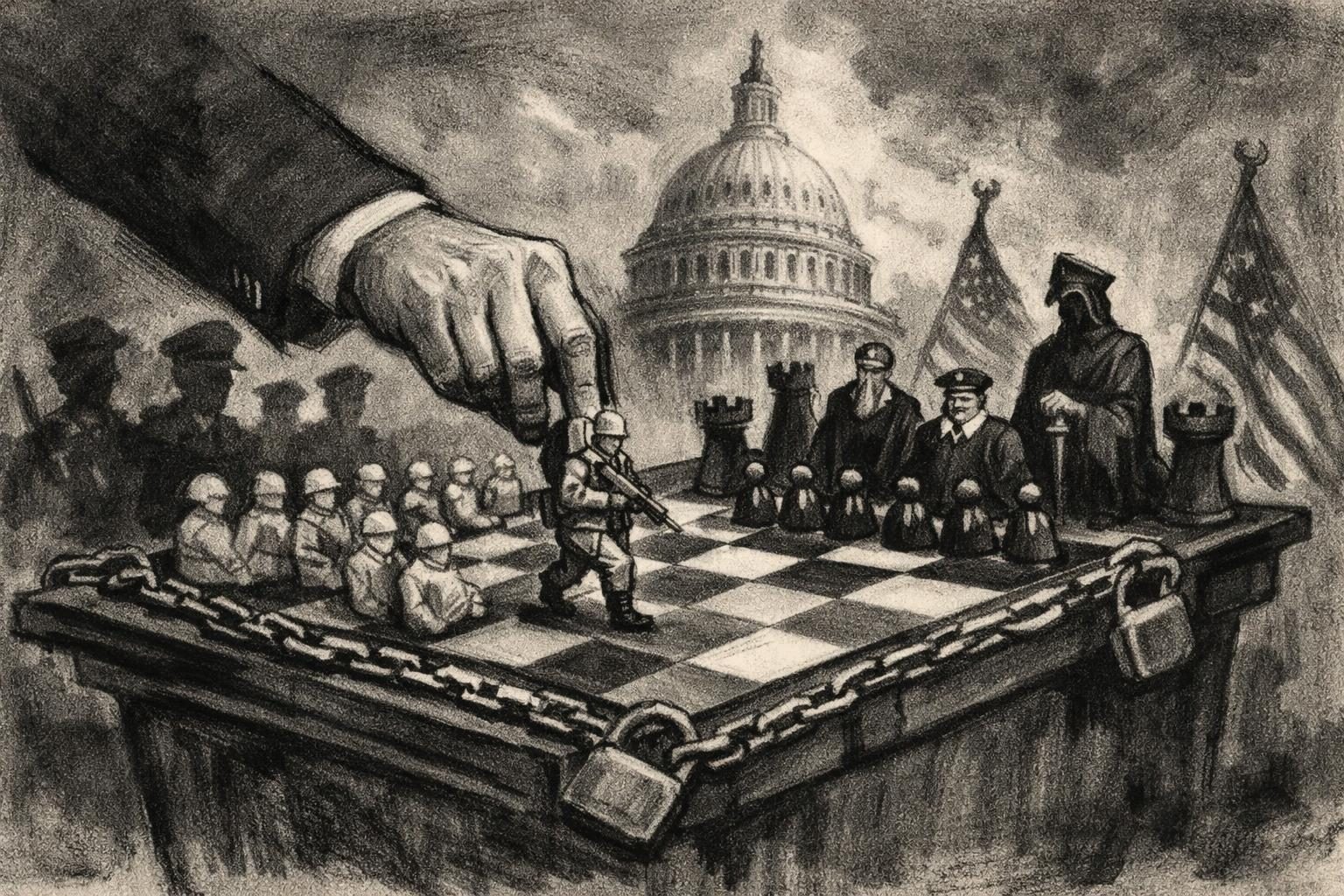
Washington’s legal fight over the National Guard presence in the District took another procedural step on October 14, when D.C. Attorney General Brian Schwalb said a hearing in the case only strengthened the city’s argument that the deployment is unlawful. The remark came after the first hearing in the federal government’s appeal of an earlier ruling that found the deployment violates federal law. In practical terms, the exchange did not resolve the fight, but it did sharpen the stakes. What had been framed politically as a show of force is increasingly being treated in court as a question of statutory authority, constitutional limits, and whether the executive branch can keep soldiers in the capital under the justification it has chosen. That shift matters because the facts at issue are no longer being debated in the abstract. They are being tested in a courtroom, where the administration now has to justify the deployment line by line instead of simply defending it with broad claims of order and safety.
For the District, the case is about more than the presence of troops on city streets. Schwalb’s office has argued that the deployment violates the Home Rule Act and exceeds the federal government’s lawful power over local affairs. That is a significant claim, because it goes directly to the uneasy balance between federal control and the city’s limited self-government. The District does not have the same status as a state, but it is not supposed to be a blank check for federal intervention either. The legal question now being pressed is whether the administration crossed the line from supervision into overreach. If the court ultimately agrees with the city, the administration will not just have lost a policy dispute. It will have been told that its chosen method of asserting control over the capital rested on authority it did not actually possess. If the government persuades the appeals court otherwise, it will preserve a broader reading of its power, one that could make similar interventions easier to justify in the future.
That is why the hearing matters politically even before a final ruling arrives. Deploying the National Guard in Washington can be sold as toughness, but the image changes quickly when judges start asking whether the deployment is lawful in the first place. The administration’s defenders may argue that the capital requires unusual measures and that federal responsibility for the District justifies a heavy hand. Yet that argument has to survive not only legal scrutiny but also the optics of a White House being challenged by local officials for trying to control the city through military presence. Schwalb’s statement reflected that tension. Rather than treating the case as a routine disagreement over public safety, he cast it as a direct test of whether the District’s government can protect its own authority from an unlawful federal action. That framing puts the administration on the defensive, because it forces officials to explain why a domestic deployment should be viewed as necessary rather than as a stretch of power that the courts may not permit.
The larger significance of the case goes beyond one city and one deployment. Every filing, hearing, and order in this litigation contributes to a precedent about how far the executive branch can go when it wants to use military force or military-like presence as a tool of domestic governance. In that sense, the court fight is not just about troops in Washington. It is also about whether emergency-style methods can be normalized in the nation’s capital without clear legal grounding. That is a particularly sensitive issue because Washington sits at the center of federal power and is often treated differently from the rest of the country. If the administration is allowed to keep the deployment in place over a finding that it violated federal law, it could encourage broader assumptions about executive authority in future disputes. If the courts continue to side with the District, the message will be equally clear: symbolic strength is not the same thing as lawful power. For now, the legal record is doing the work that the public rhetoric cannot, and the administration appears to be spending political capital trying to defend a move that a judge has already questioned.
Comments
Threaded replies, voting, and reports are live. New users still go through screening on their first approved comments.
Log in to comment
No comments yet. Be the first reasonably on-topic person here.