
DHS kills automatic EAD extensions, and the labor hit starts immediately
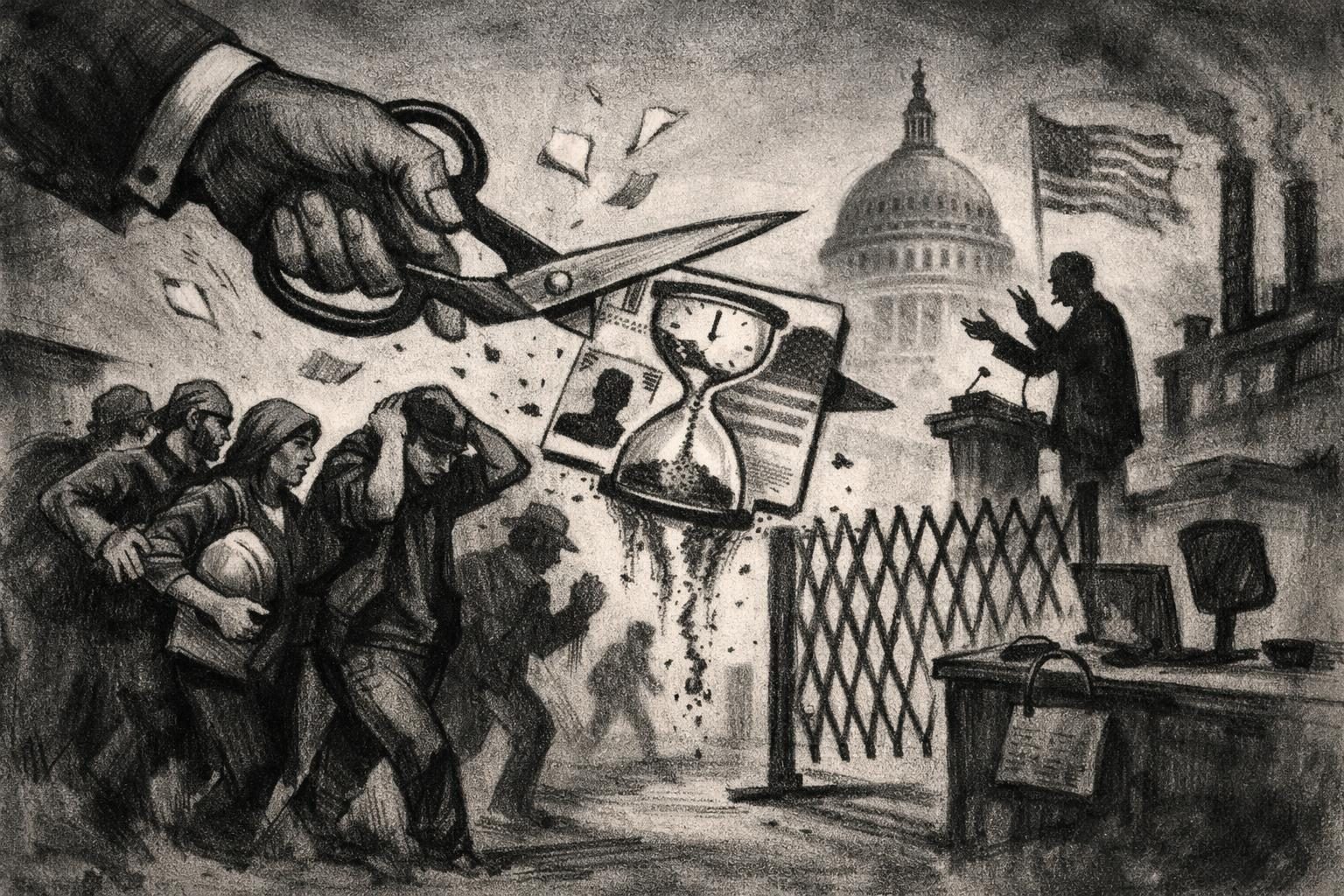
The Department of Homeland Security has put a new final rule into effect that ends automatic extensions for certain employment authorization documents, turning a once-relied-upon buffer into another deadline workers and employers now have to survive on their own. The change took effect on October 14 and applies immediately, meaning the old assumption that a timely renewal filing could buy extra work time is no longer a safe default in the categories covered by the rule. For many people, this is not an abstract paperwork adjustment. It is the difference between showing up to work legally on Monday and spending that same week trying to prove a renewal is pending while a job, a shift, or a payroll cycle hangs in the balance. Employers, meanwhile, are being forced back into a much tighter compliance posture, with less room for administrative delay and fewer excuses if a document lapses. The practical effect is a hard reset on a system that had become woven into day-to-day hiring and retention across a wide range of workplaces.
The rule follows an interim version and is now formally locked in, which matters because it moves the policy from trial balloon to operating reality. That distinction is important for a process that affects how workers remain authorized and how businesses document eligibility to keep people on the books. Under the new regime, the grace period that many workers expected after filing a renewal is narrowed or eliminated depending on the specific category involved. That means the clock becomes the central problem again, with less tolerance for processing delays, mail disruptions, agency backlogs, or simple human error. It also means the burden shifts more heavily onto the individual worker, who may have done everything required on time and still face an employment interruption if the renewal is not processed before the current document expires. For employers, the change creates a sharper need for tracking systems, earlier filing reminders, and more aggressive document management, because a missed date can now translate directly into a compliance problem instead of a temporary administrative nuisance.
The broader significance is not hard to see. Automatic extensions were never a solution to the underlying immigration paperwork backlog, but they did function as a pressure valve for people caught in the queue. By removing that valve, DHS is making the system less forgiving just as workers and employers continue to deal with long processing timelines and the ordinary unpredictability that comes with large-scale immigration administration. That will likely hit hardest in sectors where staffing is already fragile and turnover is expensive, including places that depend on a steady supply of authorized labor and cannot easily absorb sudden absences. Hospitals, manufacturers, service employers, schools, and contractors may all feel different versions of the same problem: a worker whose renewal is pending may now have to stop work until the new card arrives, or the employer may have to reshuffle schedules and scramble for substitutes. The rule does not create those vulnerabilities from scratch, but it removes a layer of insulation that many businesses had come to depend on, especially when the paperwork system lagged behind real-world needs.
There is also a larger policy message embedded in the move. Ending automatic extensions signals a harder line on work authorization management at a time when immigration enforcement and employment verification remain politically charged. Supporters of tighter timelines may see the rule as restoring clarity and reducing reliance on a temporary workaround that was never meant to replace proper documentation. Critics, on the other hand, are likely to see a policy that punishes people for government delay and places lawful workers in jeopardy through no obvious fault of their own. The immediate effect is that the risk of interruption starts now, not at some future implementation date, and everyone touched by the process has to adjust accordingly. That includes employees, HR departments, immigration lawyers, and the agencies that already have to answer for long wait times and inconsistent outcomes. Even with the exact operational fallout still unfolding, the direction is plain enough: the margin for error just got smaller, and the cost of a slow renewal just got much higher.
Comments
Threaded replies, voting, and reports are live. New users still go through screening on their first approved comments.
Log in to comment
No comments yet. Be the first reasonably on-topic person here.