
DHS locks in a harsher immigration penalty regime
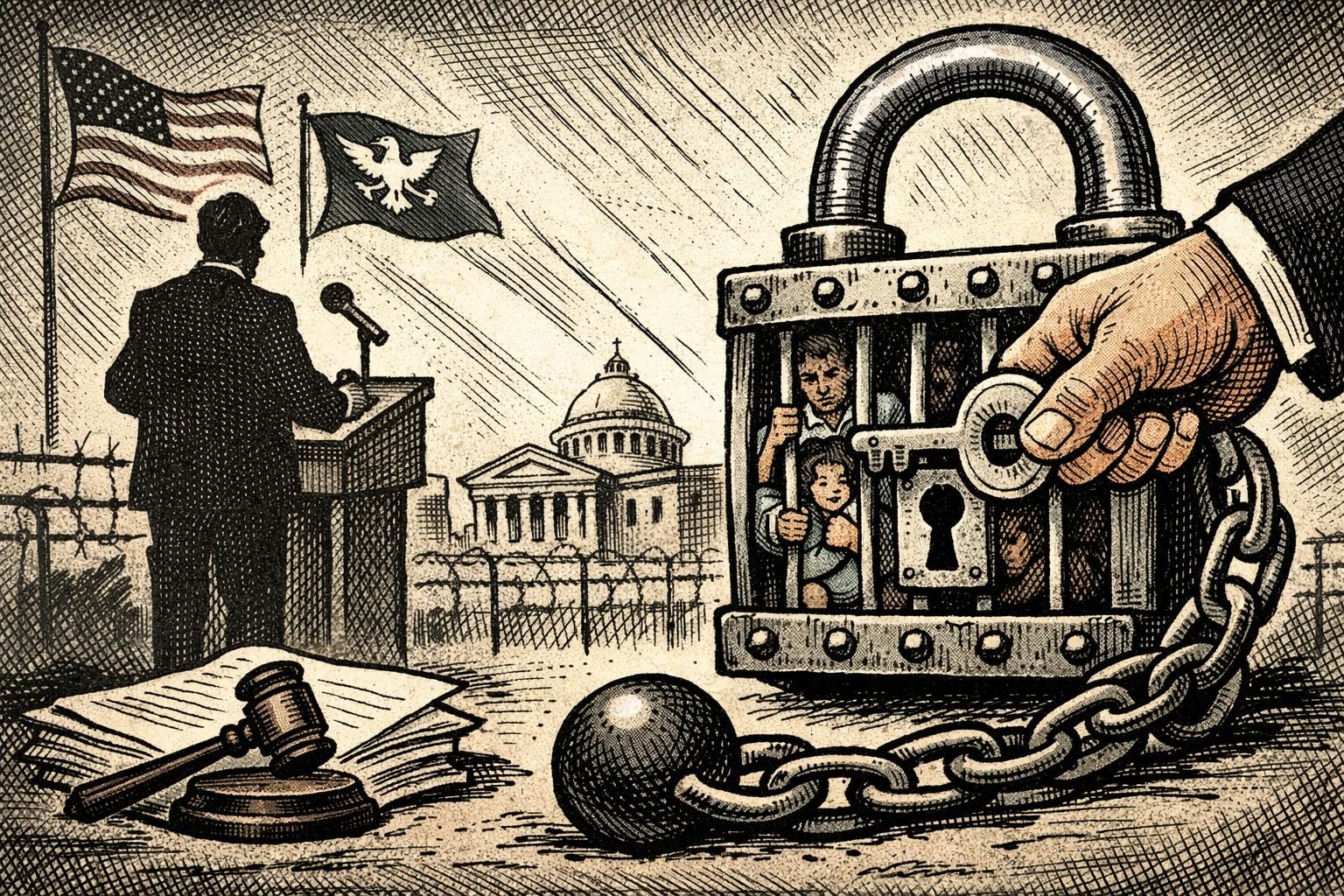
The administration has moved to lock in a tougher civil-penalty framework for certain immigration-related violations, finalizing a rule on October 14 that gives federal agencies a more explicit and more standardized enforcement tool. The practical effect is less about one dramatic new power than about making penalties easier to assess, easier to defend, and harder to shrug off as discretionary noise. For employers, applicants, representatives, and immigration lawyers, the message is plain enough: the government wants its penalty regime to look less like a loose collection of possible sanctions and more like a system meant to be used. That matters because civil penalties are often where enforcement becomes tangible, especially when criminal charges are not the chosen path. It also matters because once a penalty structure is written down with more precision, it is much easier for agencies to deploy it repeatedly.
The rule’s appearance in the official regulatory record and immigration review materials signals that this is not just an internal memo or an enforcement mood swing. It is a formal step in the machinery of federal rulemaking, which usually means agencies have done enough groundwork to feel confident about defending the change if challenged. At the same time, a final rule does not magically end the legal fight; if anything, it often marks the point at which opponents start sharpening theirs. Immigration penalties have long been a lever in the broader enforcement system, but the way they are structured can determine whether they function mostly as a warning or as a revenue-raising, compliance-driving, case-by-case punishment. By hardening the framework now, the administration is signaling that it prefers the second model. The result is a system that can be applied more uniformly across cases, which may appeal to officials who want consistency and deterrence, but it also raises the stakes for anyone who can land on the wrong side of the rules.
The immediate public impact is unlikely to look dramatic. There is no single headline-grabbing enforcement action baked into the text of a civil-penalty rule, and most people will not wake up to find themselves directly affected by it. But that is also why these moves are often more consequential than they first appear. Penalty rules shape behavior before they are ever imposed, because people and institutions adjust to avoid them. Employers may review hiring and recordkeeping practices with more caution. Applicants and petitioners may be forced to be more exacting about filings, timelines, and supporting documents. Immigration lawyers may need to spend more time warning clients that small mistakes can carry larger consequences if an agency decides to press the issue. The shift from a softer or less explicit regime to a sharper one can also change bargaining dynamics inside the system, because the threat of a civil penalty can influence whether a matter is contested, corrected, settled, or simply abandoned.
That said, the rule is not a blank check, and it does not eliminate the possibility of courtroom pushback. Any tougher penalty regime can invite immediate legal scrutiny over whether the agency stayed within its authority, followed required procedures, and gave adequate notice about how the penalties will be applied. Those questions matter a great deal in immigration policy, where the line between enforcement discretion and overreach is often contested from the start. A rule that looks administratively tidy on paper may still run into problems if advocates argue that it is too aggressive, too vague, or too detached from the underlying statute. Even when agencies prevail, the existence of a final rule can still produce months of uncertainty while regulated parties wait to see how aggressively it will be enforced. That uncertainty is part of the point. A government does not always need to levy the maximum penalty in order to change conduct; sometimes all it needs is a credible threat that the penalty is now easier to use.
The broader political significance is that this rule fits a familiar pattern in immigration governance: enforcement often advances through technical mechanisms that are easy to overlook until they are used. Civil penalties are especially useful because they sit in the middle ground between paperwork and punishment. They can be framed as administrative housekeeping, but they also create real costs and real pressure. In a system already defined by tight deadlines, document demands, and high consequences for errors, stronger penalties can amplify every one of those pressures. Supporters are likely to argue that clearer penalties promote compliance and protect the integrity of the immigration process. Critics will likely see the same move as another attempt to make the system harsher without openly rewriting the political debate around it. Both readings can be true at once. What is not in doubt is that the administration has chosen to make the penalty side of immigration enforcement more explicit, more durable, and more usable, which is usually how policy becomes punishment before most people realize the ground has shifted.
Comments
Threaded replies, voting, and reports are live. New users still go through screening on their first approved comments.
Log in to comment
No comments yet. Be the first reasonably on-topic person here.